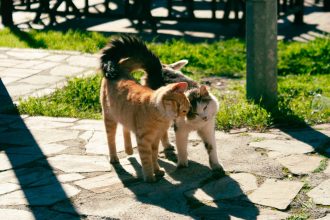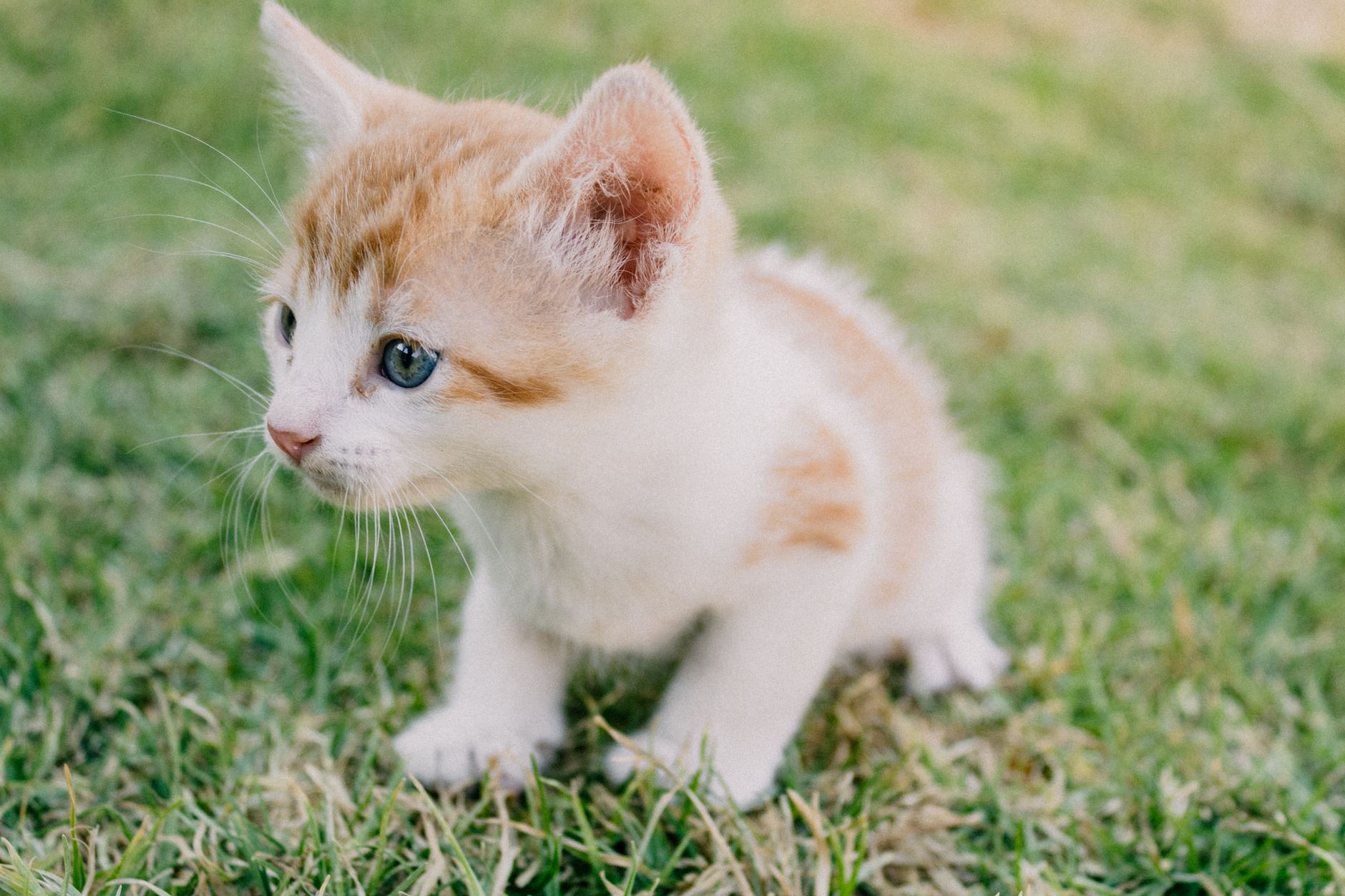
Cats’ fur grows the most during seasonal transitions, especially in spring and fall. These periods trigger coat changes driven by daylight length, hormones, age, nutrition, and breed. Kittens also experience rapid fur growth during their first year of life.
How Cat Fur Growth Works
Cat fur grows in cycles rather than continuously. Each hair follicle follows a repeating growth pattern.
The Three Stages of Fur Growth
- Anagen phase (active growth)
- Catagen phase (transition)
- Telogen phase (resting and shedding)
The Anagen Phase: When Fur Grows the Most
The anagen phase is when hair actively grows.
What Happens During Anagen
- Hair follicles produce new fur
- Coat thickness increases
- Length and density develop
Seasonal Fur Growth in Cats
Seasonal changes are the biggest driver of fur growth.
Key Seasonal Triggers
- Changes in daylight length
- Temperature variation
- Hormonal shifts
Why Cats Grow More Fur in Fall
Fall triggers thicker coat growth for winter insulation.
Fall Coat Changes
- Development of undercoat
- Increased fur density
- Longer guard hairs
Spring: A Period of Heavy Shedding and Regrowth
Spring is when cats shed winter coats and grow lighter fur.
Spring Coat Activity
- Shedding of thick winter fur
- Activation of new growth cycles
- Replacement with thinner fur
Do Indoor Cats Follow the Same Growth Pattern?
Indoor cats experience less dramatic seasonal changes.
Differences in Indoor Cats
- More constant fur growth
- Year-round shedding
- Less defined coat changes
How Daylight Affects Cat Fur Growth
Day length influences hormone production.
Light-Driven Hormonal Changes
- Melatonin regulation
- Growth cycle activation
- Seasonal coat timing
When Do Kittens’ Fur Grow the Most?
Kittens experience the fastest fur growth in their first year.
Kitten Fur Growth Stages
- Birth to 4 weeks: fine baby fur
- 2–6 months: rapid coat thickening
- 6–12 months: adult coat development
Kitten Coat Changes Explained
Kittens shed their baby coat as they mature.
Common Kitten Coat Changes
- Texture becomes coarser
- Color deepens
- Density increases
When Do Cats Grow Their Full Adult Coat?
Most cats develop a full adult coat by 12–18 months.
Adult Coat Development Timeline
- Short-haired cats: ~12 months
- Long-haired cats: up to 18 months
- Slow-maturing breeds: up to 2 years
Breed Differences in Fur Growth
Breed plays a major role in coat growth.
Breed-Based Differences
- Long-haired breeds grow fur longer and slower
- Double-coated breeds shed heavily
- Short-haired breeds grow fur faster but shorter
Breeds With the Most Noticeable Fur Growth
Some breeds show dramatic coat changes.
High-Growth Breeds
- Maine Coon
- Norwegian Forest Cat
- Persian
How Nutrition Affects Fur Growth
Healthy fur requires proper nutrition.
Nutrients Essential for Fur Growth
- High-quality protein
- Omega-3 and Omega-6 fatty acids
- Vitamins A, E, and B-complex
When Poor Nutrition Slows Fur Growth
Deficiencies affect coat quality.
Signs of Poor Fur Growth
- Dull coat
- Patchy hair loss
- Excessive shedding
Hormones and Fur Growth
Hormones regulate hair cycles.
Hormonal Influences
- Thyroid hormones
- Sex hormones
- Cortisol levels
How Spaying and Neutering Affect Fur Growth
Hormonal changes can alter coat texture.
Post-Surgery Coat Changes
- Softer fur texture
- Increased undercoat
- Slower shedding cycles
Stress and Fur Growth
Stress can disrupt growth cycles.
Stress-Related Coat Issues
- Hair thinning
- Overgrooming
- Delayed regrowth
Health Conditions That Affect Fur Growth
Medical issues can alter fur growth patterns.
Common Health-Related Causes
- Skin infections
- Parasites
- Hormonal disorders
Does Fur Grow Faster in Certain Body Areas?
Fur growth rate varies by location.
Body Area Differences
- Neck and chest grow faster
- Tail fur grows slower
- Belly fur regrows slowly
How Grooming Affects Fur Growth
Regular grooming supports healthy growth.
Grooming Benefits
- Stimulates blood circulation
- Removes dead hair
- Prevents matting
Does Brushing Make Fur Grow Faster?
Brushing does not directly speed growth.
Indirect Benefits
- Healthier follicles
- Improved skin condition
- Reduced shedding buildup
Fur Growth in Senior Cats
Older cats experience slower fur growth.
Senior Coat Changes
- Thinner fur
- Duller texture
- Slower regrowth after shaving
Why Fur May Not Grow Back Normally
Delayed regrowth indicates a problem.
Possible Causes
- Underlying illness
- Hormonal imbalance
- Skin damage
How Long Does It Take for Cat Fur to Grow Back?
Regrowth time varies.
Typical Regrowth Timelines
- Short hair: 4–8 weeks
- Medium hair: 2–4 months
- Long hair: 6–12 months
Seasonal Shedding vs Fur Loss
Not all fur loss is shedding.
Key Differences
- Shedding is even and seasonal
- Hair loss is patchy or sudden
- Hair loss often includes skin changes
When to Be Concerned About Fur Changes
Some signs require veterinary attention.
Warning Signs
- Bald patches
- Red or inflamed skin
- Excessive grooming
How to Support Healthy Fur Growth
Proper care encourages normal growth cycles.
Best Practices
- Feed a balanced, high-protein diet
- Brush regularly
- Reduce stress
Myths About Cat Fur Growth
Misconceptions are common.
Common Myths
- Shaving makes fur grow faster
- Indoor cats do not shed
- Fur growth is the same year-round
Final Takeaways
Cats’ fur grows the most during seasonal transitions, especially in fall and spring. Kittens grow fur rapidly during their first year, while adult cats follow cyclical patterns influenced by daylight, breed, health, and nutrition. Understanding these cycles helps owners manage shedding, grooming, and coat health more effectively.