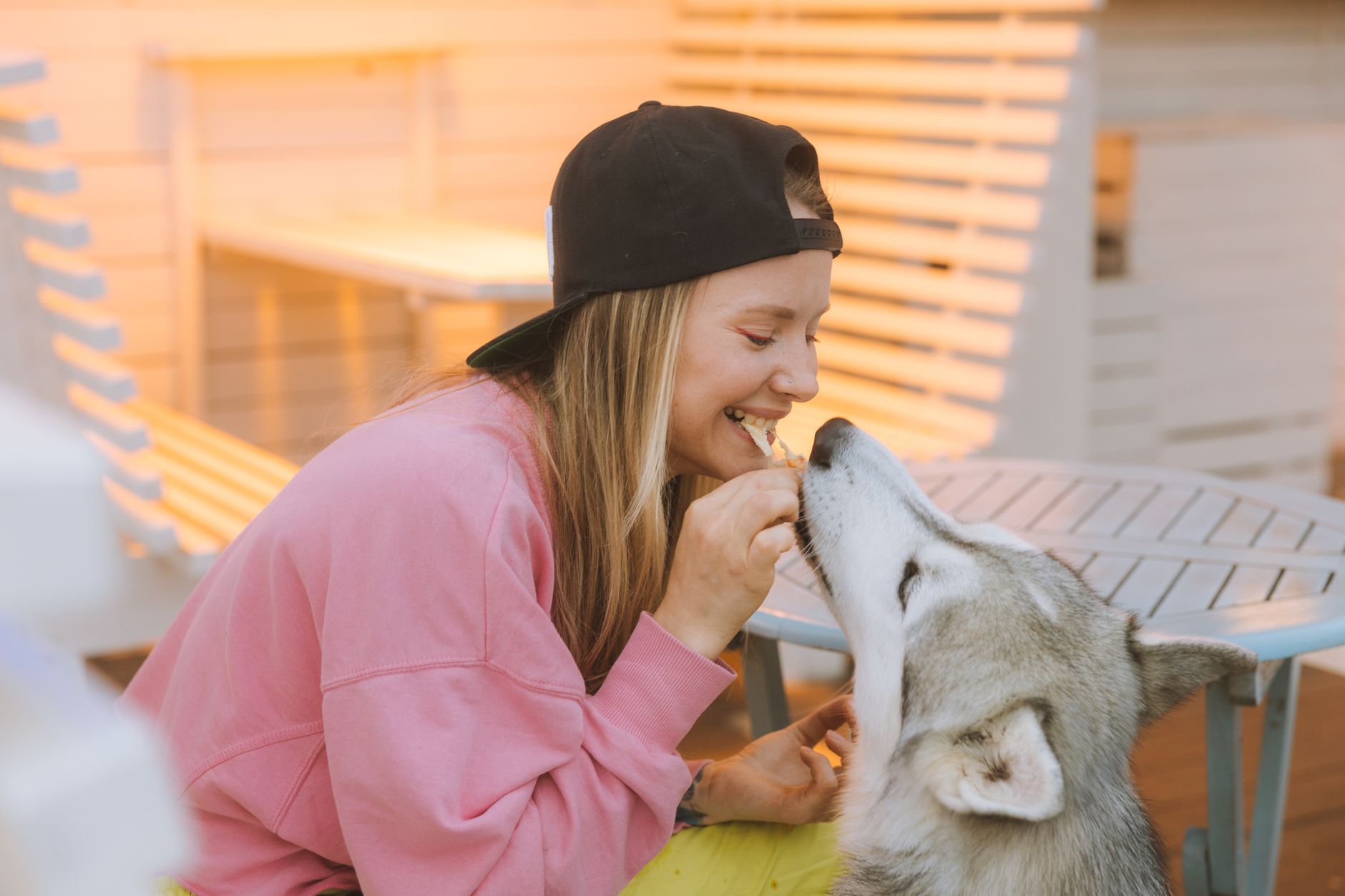
Sharing food with a dog is a common part of life for many pet owners. However, not every human food is safe for canine consumption. Some foods can provide useful nutrients as occasional treats, while others may cause digestive problems or serious health risks.
Understanding which foods dogs can and cannot eat helps owners make safer choices when offering snacks or adding variety to their dog’s diet. Human foods should generally be treated as supplements or occasional rewards rather than replacements for a balanced dog diet.
Foods That Are Generally Safe for Dogs
Many simple, unseasoned foods can be enjoyed by dogs in appropriate portions. The preparation method matters because ingredients that are harmless by themselves may become unsafe when combined with salt, spices, sauces, or other additives.
| Food | Why It Can Be Suitable | Important Considerations |
|---|---|---|
| Carrots | Provides fiber and nutrients while offering a crunchy texture. | Serve in manageable pieces to reduce choking risk. |
| Apples | Contains vitamins and can be a refreshing snack. | Remove seeds and the core before serving. |
| Peanut butter | Can be used as a training reward. | Avoid products containing xylitol, which is dangerous for dogs. |
| Plain cooked chicken | Provides a source of protein. | Remove bones and avoid seasoning. |
| Rice and pumpkin | Often tolerated by dogs and may be gentle on digestion. | Serve plain without added ingredients. |
Fruits Dogs May Eat With Proper Preparation
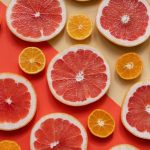
Some fruits can be occasional treats because they contain water, fiber, and natural nutrients. However, fruit should be given in moderation because it still contains natural sugars.
- Blueberries: Small amounts can be used as a snack or training reward.
- Bananas: Can be offered occasionally because of their potassium content, but portions should remain limited.
- Watermelon: Safe when seeds and rind are removed.
- Strawberries: Can be given fresh and properly washed.
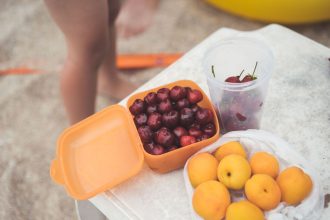
- Peaches: The flesh may be offered in small amounts, but the pit must always be removed.
Fruit pits, seeds, and cores are important concerns because some contain harmful compounds or can create choking and digestive hazards.
Foods Dogs Should Never Eat
Some foods that are normal parts of a human diet can be toxic to dogs. Owners should avoid offering these foods, even in small amounts, because reactions can vary depending on the dog’s size, health, and the quantity consumed.
| Food | Potential Risk |
|---|---|
| Chocolate | Contains compounds that can be harmful to dogs and affect the nervous system and heart. |
| Grapes and raisins | Can cause serious health problems in some dogs. |
| Onions and garlic | May damage red blood cells and contribute to anemia. |
| Xylitol-containing products | This artificial sweetener can cause dangerous blood sugar changes. |
| Alcohol | Can be toxic and should never be given to dogs. |
| Coffee and caffeine products | Can negatively affect a dog’s nervous system and heart. |
Foods That Require Extra Caution
Some foods are not always dangerous but require careful preparation or portion control. Problems often occur because dogs receive too much of a food, eat unsafe parts, or consume products made with additional ingredients.
- Dairy products: Some dogs tolerate small amounts, while others may experience digestive upset.
- Fatty foods: Foods high in fat can contribute to stomach problems and other health concerns.
- Nuts: Certain nuts may be unsafe, and some can create choking or digestive risks.
- Cooked bones: They can splinter and cause internal injuries.
How to Introduce New Foods Safely
Even safe foods can cause problems if introduced suddenly. Dogs have different digestive systems and may react differently to new ingredients.
- Introduce one new food at a time.
- Start with a small portion.
- Observe for signs of digestive problems such as vomiting, diarrhea, or discomfort.
- Stop offering the food if unusual reactions occur.
Portion size is also important. Treats and human foods should generally make up only a small part of a dog’s overall diet.
What to Do If a Dog Eats Something Unsafe
If a dog consumes a potentially toxic food, owners should act quickly. The seriousness of the situation depends on the type of food, amount eaten, and the dog’s size and health condition.
Contacting a veterinarian is the safest option when there is uncertainty. Avoid attempting home treatments unless advised by a professional.
Making Better Food Choices for Your Dog
Dogs can enjoy some human foods, but safety depends on choosing appropriate ingredients, preparing them correctly, and keeping portions reasonable. A balanced dog diet should remain the foundation of nutrition, while human foods are best used as occasional additions.
Knowing both the safe options and the dangerous ones allows owners to share treats responsibly while protecting their dog’s long-term health.