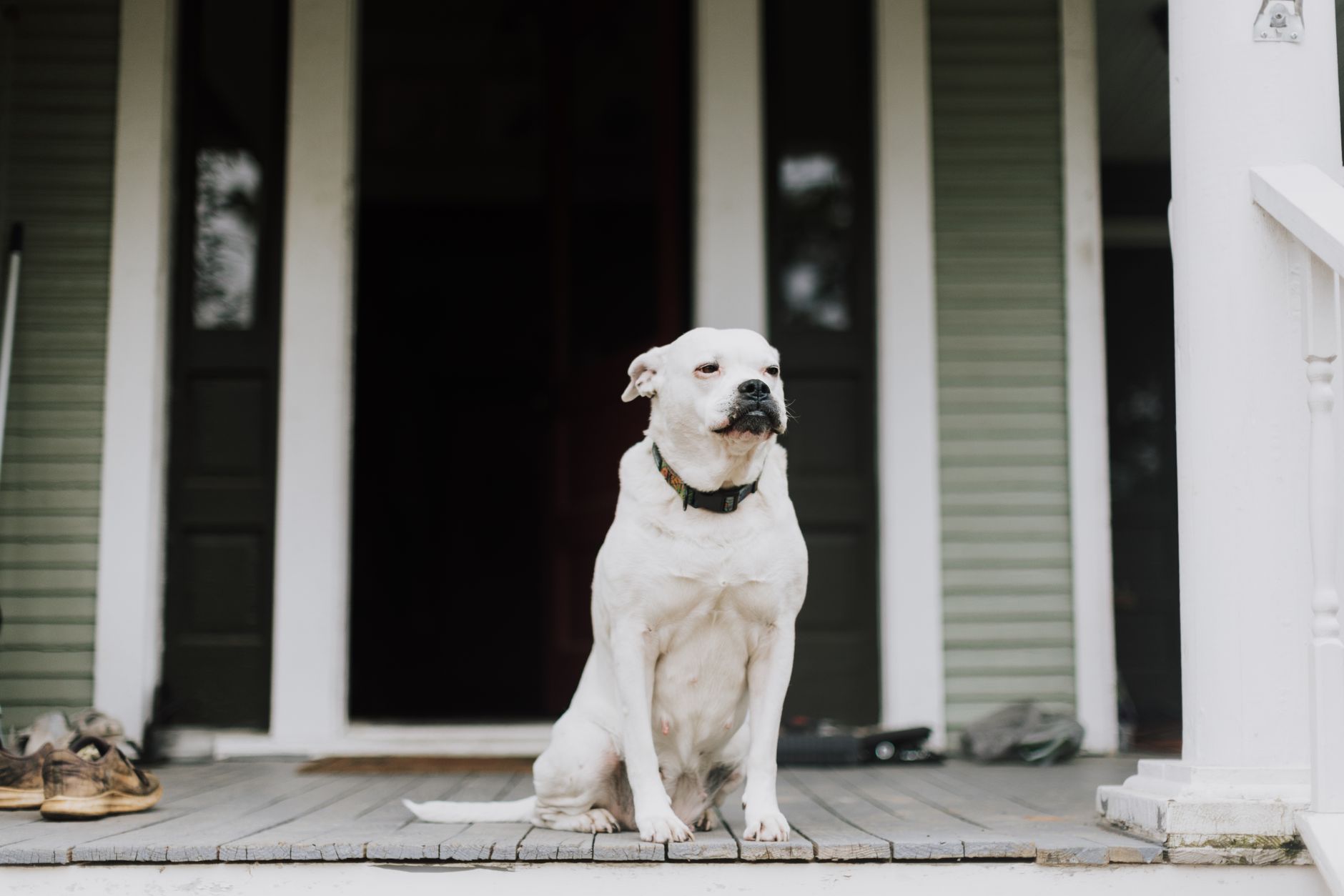
Separation anxiety is one of the most challenging behavior problems many dog owners face. A dog experiencing this condition may become distressed when separated from its owner, leading to behaviors such as excessive barking, destructive chewing, pacing, accidents inside the house, or attempts to escape.
The solution is not simply making a dog “get used to being alone.” Dogs with separation anxiety often experience genuine stress, so successful training focuses on creating positive associations with independence and gradually increasing their ability to stay calm.
Understanding Why Dogs Struggle When Left Alone
Dogs are social animals, and many form strong attachments to their human family. While normal attachment is healthy, separation anxiety occurs when a dog reacts intensely to being separated from its preferred person.
Common signs include:
- Persistent barking, whining, or howling after the owner leaves.
- Destructive behavior focused around doors, windows, or personal items.
- Restlessness, pacing, or inability to settle down.
- Drooling, trembling, or other signs of stress.
- Toileting accidents despite being house trained.
Recognizing these behaviors is important because they are often signs of anxiety rather than disobedience.
Start With Small Periods of Separation
A common mistake is leaving a highly anxious dog alone for several hours immediately. This can reinforce fear because the dog repeatedly experiences a situation it cannot handle.
Instead, training should begin with very short absences that the dog can successfully tolerate. The duration can gradually increase as the dog becomes more comfortable.
- Leave the room briefly while your dog remains calm.
- Return before anxiety begins.
- Repeat the process consistently.
- Slowly extend the amount of time apart.
The goal is to teach the dog that being alone is temporary and safe.
Create a Calm Routine Before Leaving
Dogs often learn patterns associated with departure, such as picking up keys, putting on shoes, or grabbing a bag. For anxious dogs, these signals can trigger stress before the owner even leaves.
Reducing the emotional intensity of departure routines can help. Practice normal actions without leaving, such as picking up keys and then sitting down, so these cues become less meaningful.
Make Alone Time More Comfortable
The environment can influence how a dog responds to being alone. A comfortable space with familiar items can provide reassurance, although it should not replace proper behavior training.
Helpful adjustments may include:
- Providing safe chew toys or puzzle feeders.
- Creating a quiet resting area.
- Maintaining a predictable daily schedule.
- Ensuring the dog receives enough exercise and mental stimulation.
A dog with balanced physical and mental needs is generally better prepared to relax during periods of separation.
Avoid Encouraging Fear-Based Dependence
Owners naturally want to comfort a distressed dog, but excessive attention immediately before leaving or immediately after returning can sometimes increase the emotional importance of these moments.
Instead, aim for calm interactions. Encourage independence by rewarding relaxed behavior when the dog chooses to rest away from you.
Training Independence Inside the Home
Independence training does not only happen when leaving the house. Everyday habits can help a dog become more comfortable without constant human contact.
- Encourage your dog to relax in another room for short periods.
- Reward calm behavior when your dog is not seeking attention.
- Avoid responding immediately to every demand for interaction.
- Provide opportunities for the dog to explore and entertain itself.
When Professional Support May Be Necessary
Severe separation anxiety may require assistance from a veterinarian or qualified animal behavior professional. Some dogs experience anxiety intense enough that training alone may not be sufficient at first.
Professional guidance can help identify whether the behavior is caused by separation anxiety, another medical issue, fear, or a different behavioral concern. In some cases, veterinarians may discuss additional treatment options to support behavior modification.
What Not to Do When Treating Separation Anxiety
| Approach | Why It Can Be Problematic |
|---|---|
| Punishing destruction or accidents | It may increase fear and does not address the underlying anxiety. |
| Leaving suddenly for long periods | The dog may experience repeated stressful situations without learning coping skills. |
| Using attention as the only solution | The dog may become more dependent instead of learning independence. |
Building Long-Term Confidence
Helping a dog overcome separation anxiety requires patience and consistency. Progress may happen gradually, and setbacks can occur during stressful changes such as moving homes, schedule changes, or new environments.
The most effective approach combines gradual separation training, a stable routine, enrichment activities, and an understanding of the dog’s emotional needs. The goal is not simply a quiet house while the owner is away, but a dog that feels secure and capable of handling time alone.