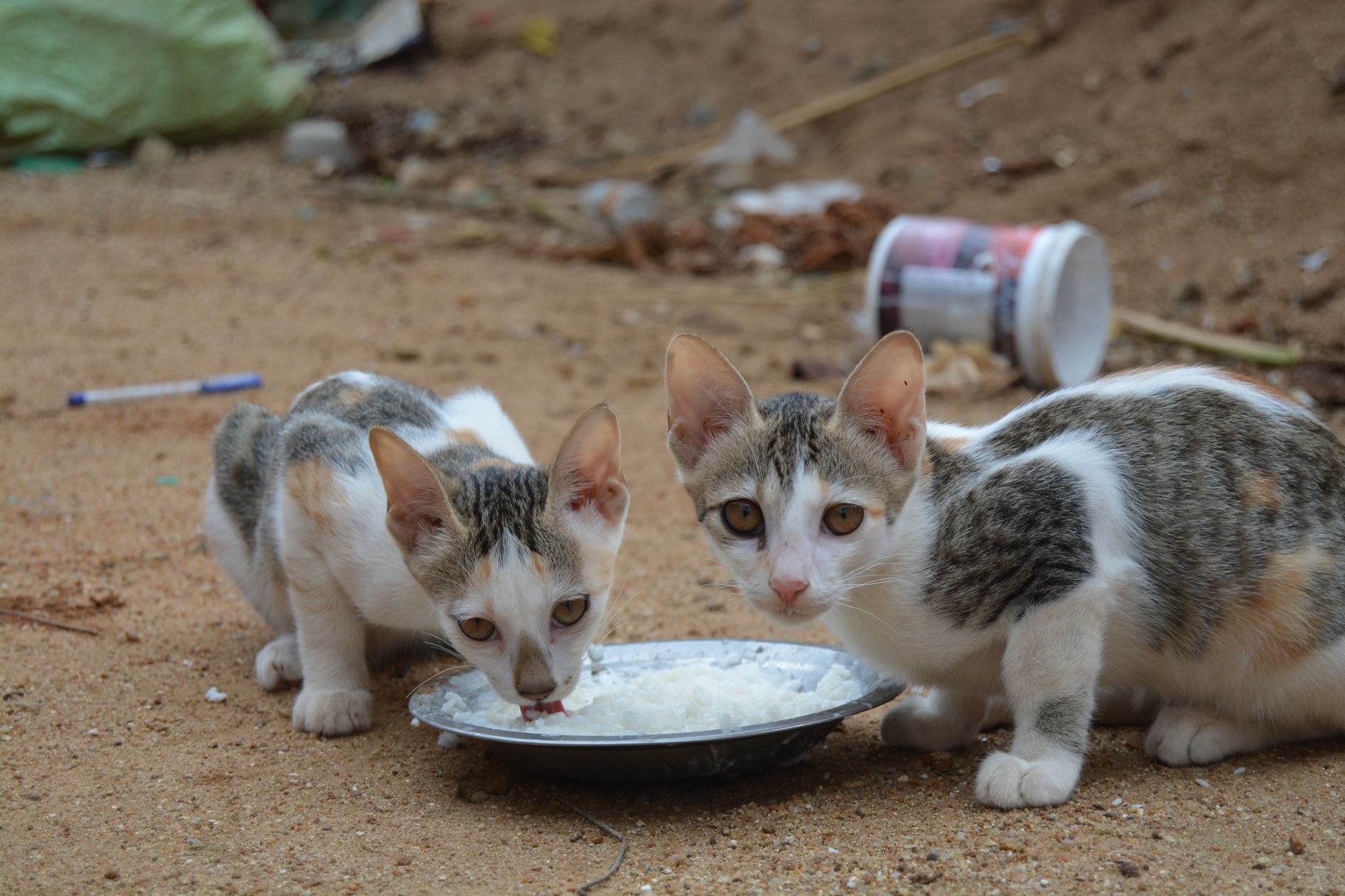
Cats may occasionally skip a meal, but a prolonged lack of food is not something that should be ignored. Unlike some animals that can safely tolerate long periods without eating, cats have unique nutritional needs that make extended fasting potentially dangerous.
The question of how long cats can go without food does not have a single answer. A healthy adult cat, a kitten, an elderly cat and a cat with an existing health condition may respond very differently to the same situation.
Understanding the risks of a cat not eating can help owners recognise when a temporary appetite change becomes a medical concern.
A cat’s body is not designed for prolonged fasting
In general, cats may survive several days without food if they have access to water, but survival does not mean the situation is safe. A lack of nutrition can quickly create health problems, especially in cats that stop eating completely.
Cats are obligate carnivores, meaning their bodies are adapted to obtain essential nutrients from animal-based foods. Their metabolism depends on a consistent supply of nutrients to maintain normal body functions.
When a cat stops eating, the body begins using stored energy. This process can become harmful if it continues for too long.
Why cats refusing food can become serious
One of the biggest concerns when cats stop eating is a condition called hepatic lipidosis, also known as fatty liver disease.
This condition can occur when a cat’s body begins breaking down fat stores for energy. The liver processes the released fat, but in some cats, especially overweight cats, the liver may struggle to handle the increased workload.
Possible consequences include:
- Reduced liver function
- Weakness and loss of energy
- Yellowing of the skin, eyes or gums
- Serious illness requiring veterinary treatment
This is why a cat refusing food for an extended period should not simply be treated as normal pickiness.
How long can different cats go without eating?
| Type of cat | Risk level when not eating |
|---|---|
| Healthy adult cat | May tolerate a short period without food, but prolonged fasting can become dangerous |
| Kitten | Higher risk because growing bodies require regular nutrition |
| Senior cat | May decline faster due to age-related health issues |
| Cat with illness | May require veterinary attention sooner |
The safest approach is not to focus only on the maximum time a cat could survive. The more important question is why the cat stopped eating and how quickly the problem needs attention.
Common reasons cats stop eating
A reduced appetite can happen for many reasons. Some causes are temporary, while others may indicate an underlying health problem.
Health problems
Medical issues are one of the most common reasons for appetite loss. Conditions affecting the mouth, digestive system or internal organs can make eating uncomfortable or difficult.
Examples include:
- Dental pain
- Digestive problems
- Infections
- Kidney disease
- Other internal illnesses
Stress and environmental changes
Cats are sensitive to changes in their surroundings. Moving homes, new pets, loud noises or changes in routine can affect appetite.
Some cats respond to stress by hiding, becoming less active or refusing food temporarily.
Food-related issues
Sometimes the problem is related to the food itself. Cats may stop eating because of changes in diet, spoiled food, different textures or unfamiliar flavours.
However, repeatedly refusing food should still be monitored because it may indicate a deeper issue.
Water is even more urgent than food
While food deprivation can become dangerous, lack of water is an even more immediate concern.
Cats need regular access to fresh water to support normal body functions. Dehydration can develop quickly, particularly in cats that are already sick or experiencing vomiting, diarrhoea or other fluid losses.
Signs of possible dehydration include:
- Low energy
- Dry gums
- Reduced skin elasticity
- Changes in urination
Ensuring a cat has constant access to clean water is one of the most important parts of daily care.
What to do if your cat refuses food
The first step is to observe the situation carefully rather than immediately assuming the cat is simply being difficult.
Owners can try:
- Offering fresh food with a strong aroma
- Checking whether the food bowl and feeding area are clean
- Reducing stress around the feeding area
- Monitoring drinking, behaviour and litter box habits
However, forcing food into a cat without veterinary guidance can create additional stress or risks, especially if there is an underlying medical problem.
When should a cat see a veterinarian?
A cat that refuses food for an extended period should be evaluated, especially if other symptoms appear.
Veterinary attention is particularly important if the cat:
- Stops eating completely
- Shows weakness or unusual tiredness
- Vomits repeatedly
- Loses weight quickly
- Has difficulty drinking
- Shows signs of pain
Kittens, older cats and cats with existing medical conditions generally require faster attention because they have fewer reserves.
How to encourage healthy eating habits
Preventing appetite problems starts with maintaining a stable routine.
- Feed a balanced diet: Proper nutrition supports normal metabolism and health.
- Keep feeding times consistent: Cats often respond well to predictable routines.
- Monitor eating patterns: Small changes can reveal problems early.
- Maintain regular veterinary care: Health checks can identify issues before they become severe.
Knowing how much a cat normally eats makes it easier to recognise when something has changed.
The important lesson about cats and food refusal
A cat skipping one meal may not always indicate a serious problem, but refusing food for too long should never be ignored. Cats have specific metabolic needs, and prolonged fasting can create complications that become harder to treat over time.
The best response is early observation, identifying the possible cause and seeking professional advice when needed. A cat’s appetite is one of the most useful indicators of overall health, and changes in eating behaviour deserve attention.