The question “what type of dog am I?” is often used as a fun personality comparison, but it can also reveal interesting connections between human behavior and the traits commonly associated with different dog breeds. Dogs are known for their unique temperaments, energy levels, and social habits, which makes them a popular way to describe personality styles.
While a person cannot truly be classified as a dog breed, comparing personality characteristics can be an entertaining way to explore qualities such as loyalty, independence, curiosity, playfulness, or the need for companionship.
Why People Relate Their Personalities to Dog Breeds
Dog breeds have been developed for different purposes over hundreds of years. Some were bred to work closely with humans, while others were selected for independence, protection, hunting ability, or companionship. These backgrounds influence the behaviors people often associate with certain breeds.
For example, a person who enjoys helping others may identify with breeds known for loyalty and cooperation, while someone who prefers exploring and trying new things may relate more to energetic and adventurous breeds.
Common Personality Types and Their Dog Breed Matches
| Personality Style | Dog Breed Traits Often Associated |
|---|---|
| The Loyal Supporter | Dependable, social, and eager to build strong relationships. |
| The Independent Thinker | Confident, self-directed, and comfortable making decisions alone. |
| The Adventurer | Energetic, curious, and motivated by new experiences. |
| The Calm Companion | Patient, relaxed, and enjoys stable routines. |
| The Playful Creator | Fun-loving, expressive, and enjoys interaction. |
If You Are Social and People-Oriented
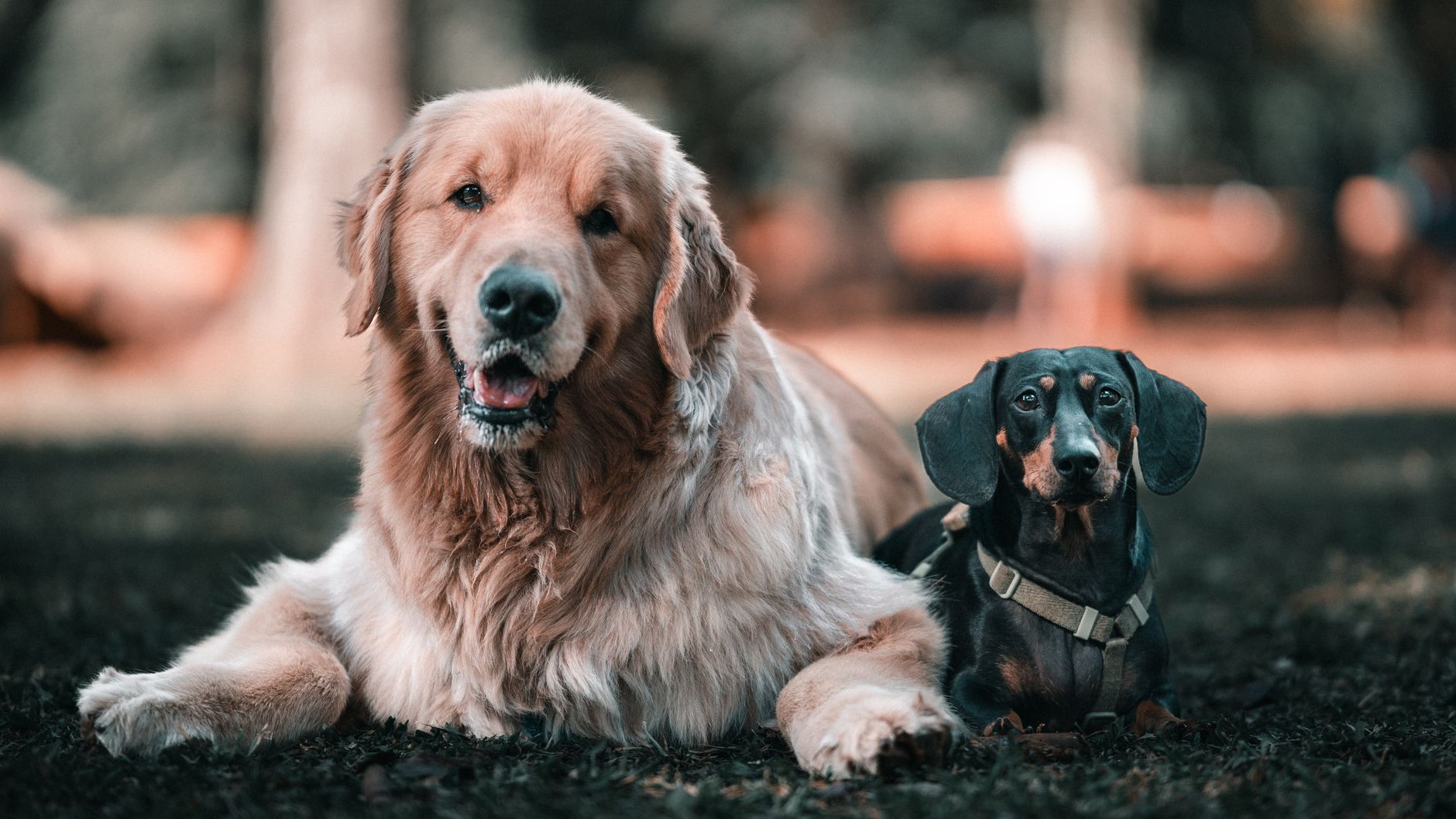
People who enjoy teamwork, communication, and supporting those around them are often compared with breeds known for their strong connection with humans. Breeds such as Labrador Retrievers and Golden Retrievers are commonly associated with friendliness, cooperation, and enthusiasm.
This personality type often values relationships and may prefer environments where interaction and collaboration are important.
If You Prefer Independence and Personal Space
Some people are naturally more independent. They enjoy solving problems on their own, making decisions without constant guidance, and having time for personal interests.
This style is sometimes compared with breeds that have strong independent traits, such as Shiba Inu or certain working breeds. These comparisons highlight confidence and self-reliance rather than a lack of social connection.
If You Are Always Looking for Adventure
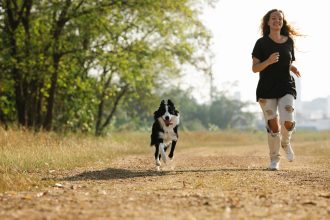
Individuals who enjoy outdoor activities, travel, challenges, or learning new skills may relate to active breeds such as Border Collies, Australian Shepherds, or other high-energy dogs.
These breeds are often recognized for intelligence, curiosity, and the need for mental stimulation. Similarly, adventurous personalities usually thrive when they have meaningful activities to pursue.
If You Value Comfort and Stability
Some people prefer peaceful environments, predictable routines, and close relationships with a smaller social circle. They may identify with calmer companion breeds that are known for affection and adaptability.
This does not mean a person lacks ambition or energy. It simply reflects a preference for balance, consistency, and emotional connection.
Personality Matches Are Fun, but They Are Not Scientific Tests
A personality comparison with a dog breed should be viewed as entertainment rather than a formal assessment. Human personality is complex, and dog behavior is influenced by genetics, training, environment, and individual experiences.
Even within the same breed, individual dogs can have very different temperaments. The same principle applies to people: two individuals with similar traits can still have completely different personalities.
Choosing a Dog Based on Lifestyle, Not Personality Labels
If the question is connected to choosing a real dog, personality matching alone is not enough. Future dog owners should consider practical factors such as exercise requirements, grooming needs, living space, training commitment, and available time.
- Active households: may suit energetic breeds that need regular exercise and mental challenges.
- Busy schedules: may require breeds with manageable care requirements.
- Families with children: should consider temperament, size, and social behavior.
- First-time owners: may benefit from breeds known for trainability and adaptability.
The Best Match Is About Compatibility
Whether someone relates to a loyal Labrador, an independent Shiba Inu, or an energetic Border Collie, the comparison works best as a reflection of personal characteristics rather than a strict classification.
The most important connection between humans and dogs comes from understanding individual needs. A good match is not about finding a breed that looks like your personality, but finding a relationship where both human and animal can thrive together.