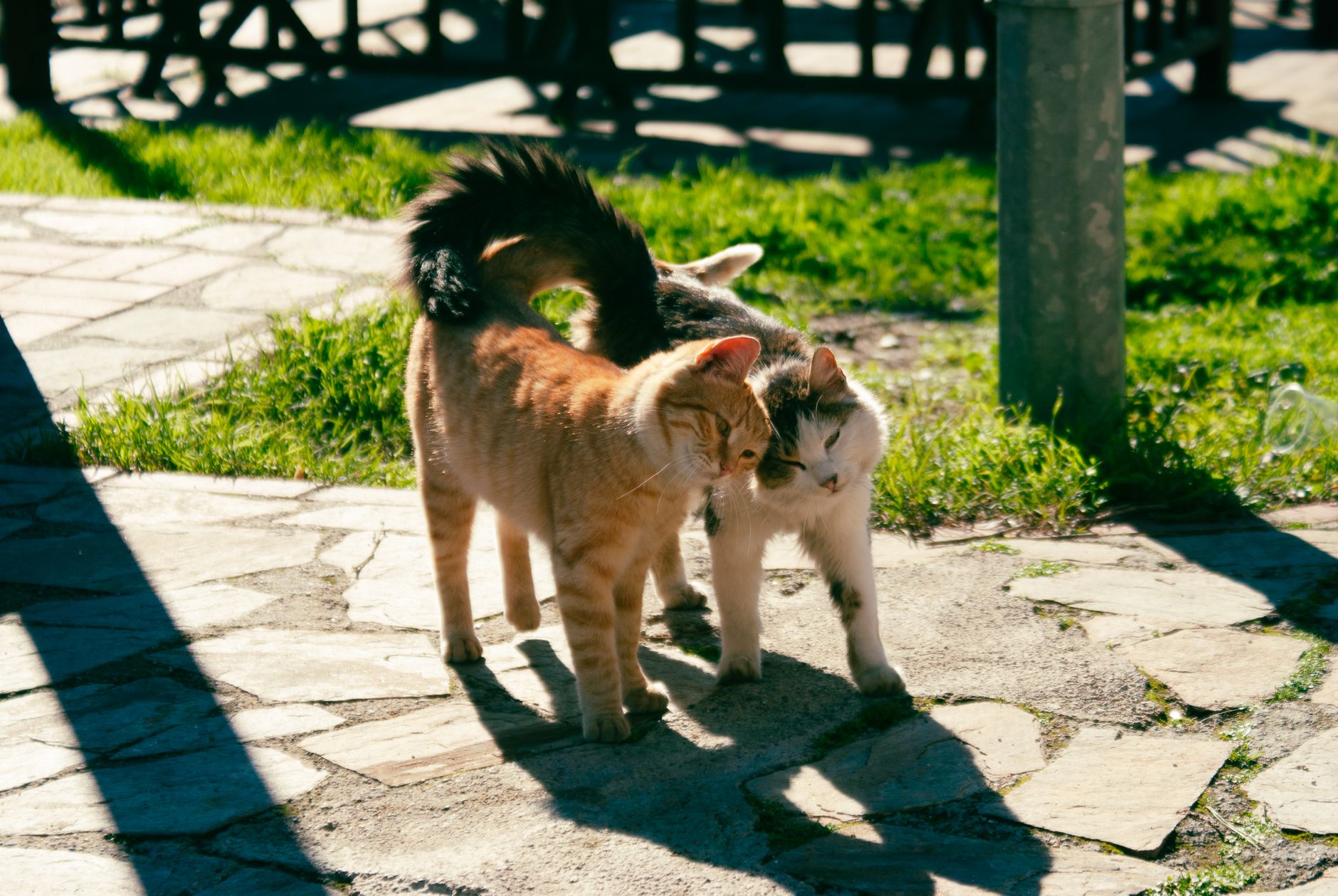
Cats swish their tails to communicate emotional states such as focus, excitement, irritation, or overstimulation. Tail movement is a key part of feline body language and often signals how a cat is feeling in the moment.
What Tail Swishing Means in Cat Behavior
A cat’s tail functions as a visual communication tool. Unlike dogs, whose wagging often signals happiness, tail movement in cats reflects shifting emotional arousal rather than friendliness.
Swishing usually indicates that a cat is processing stimulation, deciding how to respond, or becoming emotionally charged.
How Cats Use Their Tails to Communicate
Cats rely heavily on body language. Tail position, speed, and intensity work together with ear movement, posture, and facial expression.
A slowly moving tail sends a very different message than a fast, forceful swish.
Why Cats Swish Their Tails
1. Focus and Concentration
When a cat is intensely focused—watching prey, tracking movement, or stalking a toy—the tail may move slowly from side to side.
This controlled swishing reflects mental engagement and readiness to act.
2. Irritation or Annoyance
A faster, sharper tail swish often signals irritation. This is common during unwanted petting or interaction.
The behavior acts as a warning that the cat’s tolerance is wearing thin.
3. Overstimulation
Some cats enjoy petting only up to a point. When sensory input becomes overwhelming, tail swishing increases in speed and force.
This frequently precedes behaviors such as skin rippling, ear flattening, or sudden biting.
4. Excitement or Anticipation
Cats may swish their tails when anticipating food, play, or interaction.
This type of movement is usually smoother and less aggressive than irritation-driven swishing.
5. Mild Stress or Uncertainty
In unfamiliar environments, tail swishing can reflect uncertainty or internal conflict.
The cat is assessing the situation rather than reacting immediately.
Slow Tail Swishing vs Fast Tail Lashing
The speed of tail movement provides important context.
Slow, gentle swishing usually indicates focus or curiosity. Rapid, forceful lashing often signals agitation or defensive readiness.
Does Tail Swishing Mean a Cat Is Angry?
Not always. While intense swishing can indicate anger, many cats swish their tails when engaged or excited.
Interpreting tail movement alongside ear position, pupil size, and posture gives the most accurate picture.
When Tail Swishing Signals You Should Stop Petting
If tail movement becomes rapid, stiff, or accompanied by flattened ears or tense muscles, interaction should stop.
Respecting these signals prevents bites and scratches and builds trust.
Tail Swishing During Play
During play, tail swishing reflects excitement and predatory engagement.
This behavior is normal and often appears alongside crouching, pouncing, and focused staring.
Can Tail Swishing Indicate Pain?
Occasionally, persistent or unusual tail movement may indicate discomfort.
Consult a veterinarian if tail swishing occurs at rest, appears compulsive, or is paired with hiding, appetite loss, or aggression.
Indoor vs Outdoor Cats
Outdoor cats swish their tails frequently due to constant stimulation from their environment.
Indoor cats may swish more noticeably during play, window watching, or social interaction.
How to Respond to a Swishing Tail
Observe before acting. If the movement is slow and relaxed, interaction can continue.
If the tail becomes rigid or lashes quickly, give the cat space.
Long-Term Behavioral Outlook
Tail swishing is a normal and essential part of feline communication.
Understanding this behavior improves human–cat relationships and reduces stress-related conflicts.
Veterinary Disclaimer and Next Steps
This article is for educational purposes only and does not replace professional veterinary advice.
If tail behavior changes suddenly or is associated with signs of pain or illness, schedule a veterinary examination.