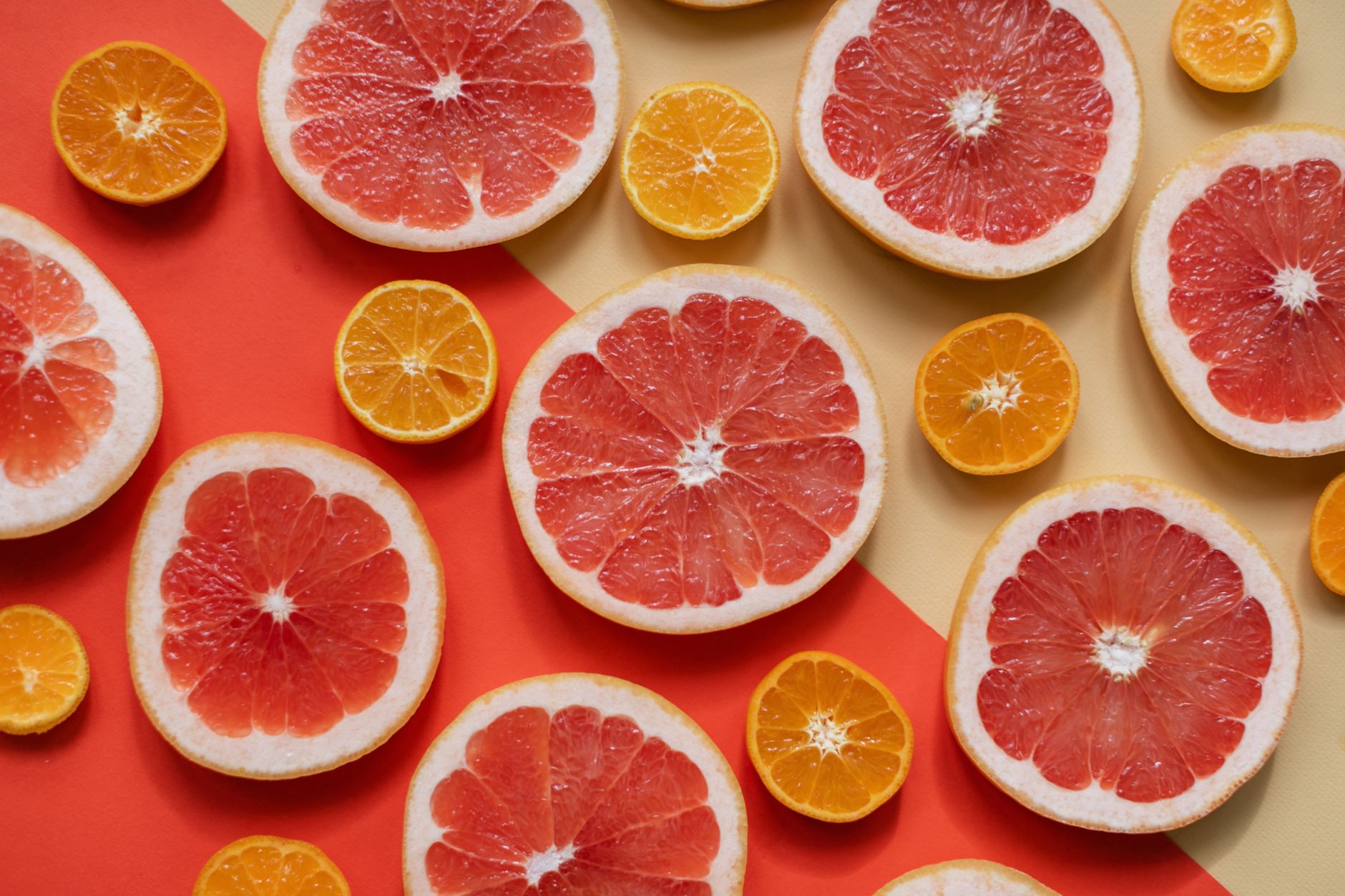
Grapefruit may be a healthy fruit choice for humans, but that does not automatically make it suitable for dogs. While some fruits can be offered as occasional treats, grapefruit has characteristics that make it a poor choice for most dogs.
Before giving any human food to a pet, owners should consider how a dog’s digestive system handles the ingredient, whether any parts of the food are harmful, and whether safer alternatives are available.
Is Grapefruit Safe for Dogs?
Grapefruit is generally not recommended for dogs. The flesh of the fruit is not considered highly toxic in small amounts, but it can cause digestive discomfort because grapefruit is acidic and contains compounds that may not agree with every dog.
The bigger concern is that grapefruit contains parts that should not be consumed by dogs, including the peel, seeds, and the white inner layer. These parts are difficult to digest and may create health risks.
| Part of Grapefruit | Potential Concern |
|---|---|
| Peel | Difficult to digest and may cause stomach or intestinal irritation. |
| Seeds | Can create digestive risks and should not be given to dogs. |
| Flesh | May cause stomach upset because of acidity and individual sensitivity. |
| Juice products | Often contain added sugar or ingredients unsuitable for dogs. |
Why Grapefruit Can Cause Problems for Dogs
Dogs process food differently from humans. A food that provides vitamins and antioxidants for people may still be unnecessary or difficult for a dog to tolerate.
Grapefruit may contribute to problems such as:
- Vomiting or diarrhea
- Stomach discomfort
- Reduced appetite
- Digestive irritation
Dogs with sensitive stomachs, existing digestive problems, or certain medical conditions may be more likely to react negatively.
What Should You Do If Your Dog Eats Grapefruit?
If a dog accidentally eats a small amount of grapefruit flesh, it may not always result in a serious problem. However, owners should monitor for unusual symptoms, especially if the dog has eaten the peel, seeds, or a large quantity.
Contacting a veterinarian is recommended if the dog shows signs such as:
- Persistent vomiting
- Severe diarrhea
- Weakness or unusual behavior
- Signs of abdominal pain
- Difficulty eating or drinking
Better Fruit Choices for Dogs
If you want to give your dog a fruit-based snack, there are safer options that are commonly better tolerated when prepared properly.
- Apple: Remove the seeds and core before serving.
- Blueberries: Small portions can be used as occasional treats.
- Watermelon: Remove seeds and rind before offering.
- Strawberries: Can be served fresh and washed.
- Bananas: Suitable in moderation because they contain natural sugars.
Even safe fruits should only make up a small portion of a dog’s overall diet. A complete and balanced dog food should remain the primary source of nutrition.
Human Foods Require Careful Consideration
Sharing food with pets can be part of bonding, but safety should always come first. Ingredients, preparation methods, and portion sizes all influence whether a food is appropriate for dogs.
Grapefruit is a good example of a food that may be healthy for humans but offers little benefit for dogs while carrying unnecessary risks. Choosing dog-friendly alternatives allows owners to provide treats without compromising their pet’s well-being.