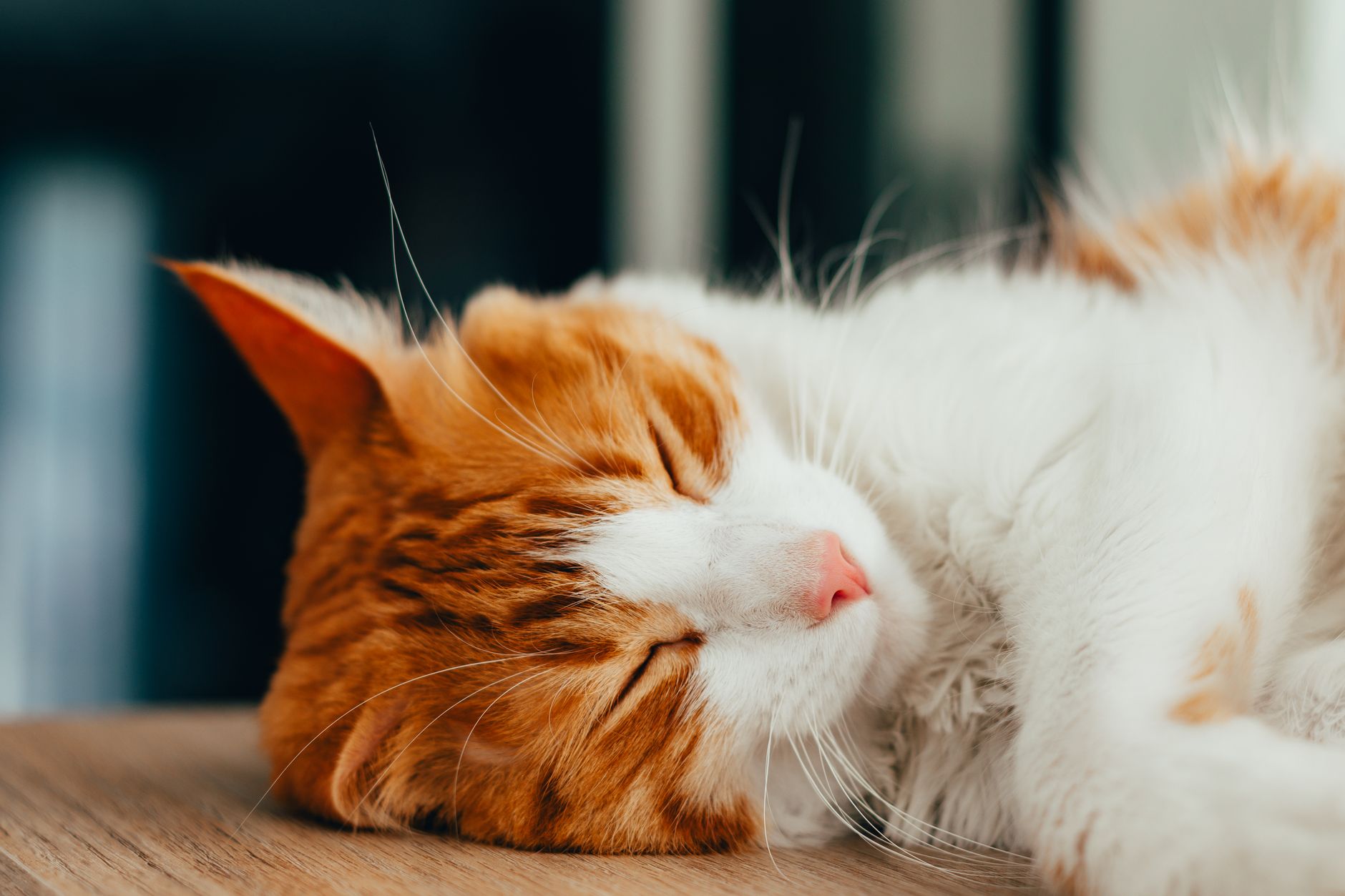
Cats are famous for spending a large portion of their day sleeping. A cat that naps for many hours can appear lazy, but this behavior is actually connected to their biology, hunting instincts, and energy management strategies.
While domestic cats may not need to chase prey to survive, their bodies still follow many patterns inherited from their wild ancestors. Understanding why cats sleep so much can help owners recognize what is normal and identify when excessive sleeping may indicate a health concern.
How Many Hours Do Cats Usually Sleep?
Most adult cats sleep around 12 to 16 hours per day, although some cats may sleep even longer. Kittens and older cats often require more rest because their bodies have different energy demands.
| Cat Age or Condition | Typical Sleep Pattern | Why More Sleep May Be Needed |
|---|---|---|
| Kittens | May sleep for much of the day | Sleep supports growth, brain development, and physical recovery. |
| Adult cats | Often sleep 12–16 hours daily | Rest helps conserve energy between active periods. |
| Senior cats | May sleep more frequently | Aging bodies often require additional recovery time. |
Cats Are Built for Short Bursts of Activity
One of the biggest reasons cats sleep so much is their natural hunting style. Unlike animals that spend hours continuously searching for food, cats are ambush predators.
In the wild, a cat may spend long periods resting before using a short burst of intense energy to stalk, chase, and capture prey. This requires strength, focus, and speed rather than constant endurance.
Domestic cats still retain this energy pattern. A house cat may sleep for hours, then suddenly become active by running, playing, climbing, or exploring.
Not All Cat Sleep Is Deep Sleep
A common misunderstanding is that cats spend all their sleeping hours in deep rest. In reality, cats experience different stages of sleep.
Much of a cat’s resting time is light sleep, allowing them to quickly respond to sounds or movement. This behavior is another survival trait inherited from wild cats that needed to remain alert to potential threats.
Cats also experience deeper sleep phases, including REM sleep, which is associated with processes such as memory and brain activity. During this stage, some cats may twitch their paws, whiskers, or eyes.
Why Cats Sleep More During the Day
Many cats are most active around dawn and dusk, a behavior known as being crepuscular. These periods historically provided better opportunities for hunting because many prey animals are also active during these times.
Because of this natural rhythm, cats may spend much of the daytime resting. This does not mean they are inactive all the time; they are often simply following a different schedule from humans.
Other Factors That Affect How Much a Cat Sleeps
Age
Young kittens sleep frequently because their bodies are developing rapidly. Older cats may also rest more because physical activity can become more demanding with age.
Personality
Individual cats have different energy levels. Some cats are naturally playful and curious, while others prefer quieter routines with more time spent resting.
Environment
Indoor cats often have fewer activities competing for their attention compared with outdoor cats. A safe, comfortable home environment can encourage longer periods of relaxation.
Weather
Cats may sleep more during colder or less active periods. Temperature, daylight, and seasonal changes can influence their daily routines.
When Sleeping Too Much Could Be a Problem
A cat sleeping many hours is usually normal, but changes in sleeping habits can sometimes indicate an underlying issue. The important factor is whether the behavior is different from your cat’s usual pattern.
Contacting a veterinarian may be appropriate if increased sleeping occurs with other symptoms, such as:
- Reduced appetite or changes in eating habits.
- Lack of interest in activities the cat normally enjoys.
- Difficulty moving or signs of pain.
- Hiding more than usual.
- Changes in drinking or litter box habits.
- Sudden changes in personality or behavior.
A healthy cat that sleeps a lot but remains active, eats normally, grooms itself, and interacts normally is usually following a normal feline routine.
How Owners Can Support Healthy Sleep
Cats need a comfortable place where they can rest without disturbance. Good sleep contributes to physical recovery, emotional stability, and overall well-being.
- Provide quiet resting areas away from constant noise.
- Offer opportunities for play and mental stimulation during awake periods.
- Maintain a consistent feeding routine.
- Schedule regular veterinary checkups.
- Observe changes in normal sleeping patterns.
Sleep Is Part of a Cat’s Natural Design
Cats sleep so much because their bodies are designed to conserve energy and prepare for periods of intense activity. Their long naps are not simply a sign of boredom or laziness but a reflection of their evolutionary history as efficient predators.
The key difference between normal cat sleep and a potential health concern is consistency. Understanding your cat’s usual routine makes it easier to notice meaningful changes and provide care when it is needed.