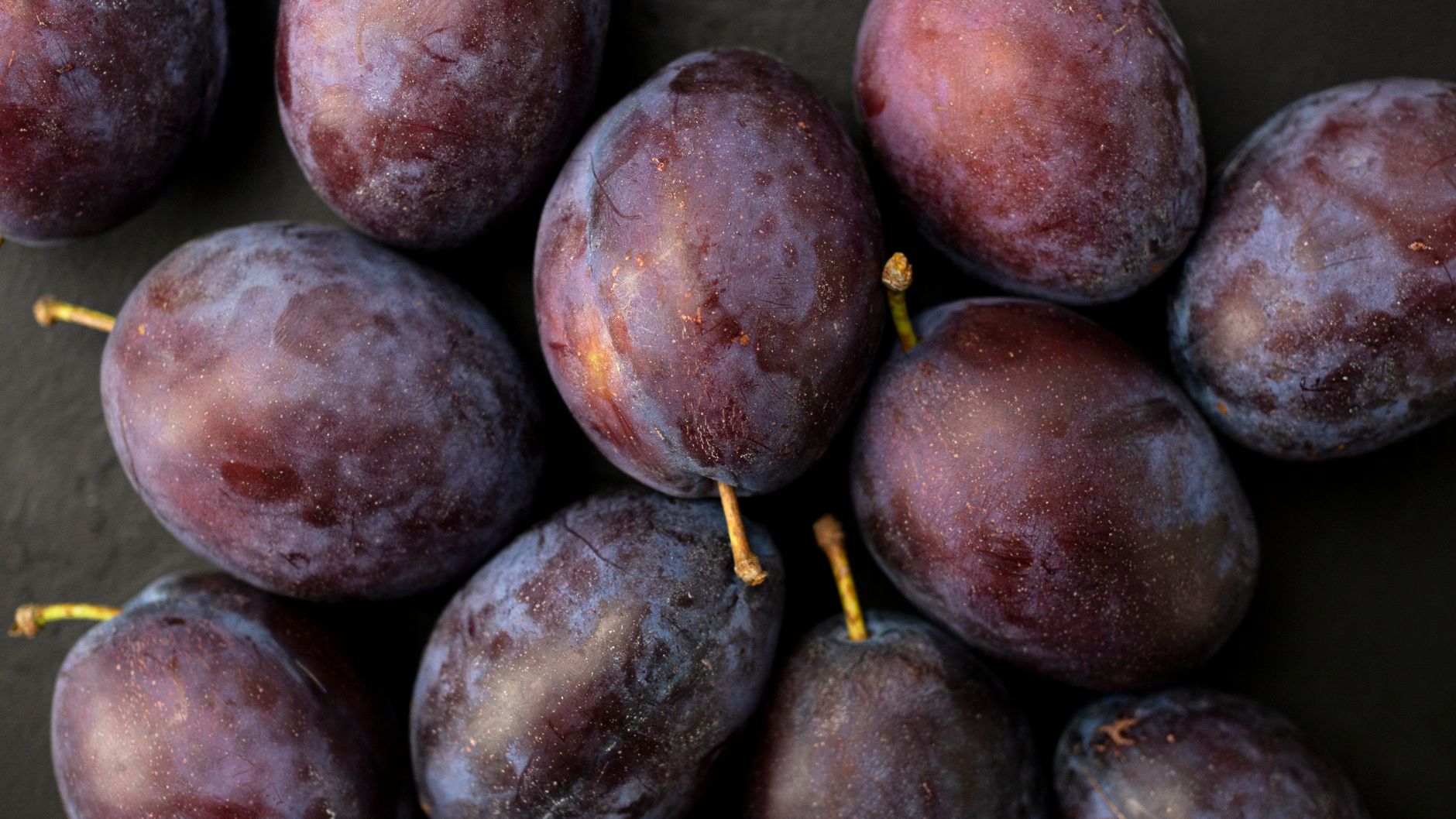
Many dog owners like to share small pieces of fruit with their pets, and plums may seem like a harmless treat. The fruit itself contains vitamins, fiber, and natural sugars, but that does not mean every part of a plum is safe for dogs.
Before giving a dog a piece of plum, it is important to understand the difference between the edible flesh and the potentially dangerous parts of the fruit. Proper preparation and portion control are essential to avoid unnecessary health risks.
The Short Answer: Dogs Can Eat Plum Flesh, but Caution Is Necessary
Plain plum flesh may be safe for many dogs when offered in small amounts. However, whole plums are not considered a safe snack because the pit, stem, and leaves can create serious problems.
The biggest concern is not usually the fruit itself but the parts surrounding it. A dog that eats an entire plum may accidentally swallow the pit, which can lead to choking, intestinal blockage, or exposure to harmful compounds.
Why Plum Pits Are Dangerous for Dogs
Plum pits present several risks that make whole plums unsuitable for dogs.
- Choking hazard: The hard pit can become lodged in a dog’s throat, especially in smaller breeds.
- Digestive blockage: If swallowed, the pit may pass poorly through the digestive tract and potentially require veterinary treatment.
- Sharp edges: Broken pits can create additional injury risks inside the digestive system.
- Toxic compounds: Plum pits contain substances that can release cyanide when damaged or chewed.
Because dogs often swallow food quickly without chewing carefully, removing the pit completely is necessary before offering any plum flesh.
How to Safely Offer Plum to a Dog
If you choose to give your dog plum as an occasional treat, preparation matters. A safer approach includes:
- Wash the plum thoroughly to remove dirt or surface residues.
- Remove the pit, stem, and any leaves completely.
- Cut the fruit into small pieces appropriate for your dog’s size.
- Offer only a limited amount rather than replacing regular meals.
Introducing any new food gradually is useful because some dogs may experience digestive upset even with foods that are generally considered safe.
Nutritional Benefits and Limitations of Plums
| Component | Potential Benefit | Consideration |
|---|---|---|
| Fiber | May support normal digestion. | Too much can contribute to stomach discomfort or loose stool. |
| Water content | Can contribute to hydration. | Should not replace normal water intake. |
| Natural sugars | Provides a sweet flavor dogs may enjoy. | Excess sugar is unnecessary and may be unsuitable for some dogs. |
When Plums May Not Be a Good Choice
Even properly prepared plum pieces are not appropriate for every dog. Owners should be more cautious if their dog has certain health concerns, such as weight management issues, diabetes, or a sensitive digestive system.
Dogs with a history of dietary problems may benefit from avoiding new treats unless they have been discussed with a veterinarian.
Signs Your Dog May Have a Problem After Eating Plums
If a dog eats plum flesh accidentally, it may not always cause an issue. However, swallowing the pit or eating a large amount requires closer attention.
Possible warning signs include:
- Vomiting
- Diarrhea
- Loss of appetite
- Lethargy
- Abdominal discomfort
- Difficulty passing stool
- Signs of choking or breathing difficulty
If a dog has swallowed a plum pit, contacting a veterinarian is the safest step because complications may not appear immediately.
Better Fruit Alternatives for Dogs
Owners looking for fruit-based treats often choose options with fewer hazards. Fruits such as blueberries, seedless watermelon, apples without seeds, and small amounts of strawberries are commonly used as dog-friendly treats when prepared correctly.
Regardless of the fruit, treats should remain a small part of a dog’s overall diet. A complete and balanced dog food should provide the majority of daily nutrition.
Final Considerations
Dogs may eat small amounts of plum flesh, but whole plums should be avoided because the pit creates unnecessary risks. Removing all unsafe parts and controlling portions are the key steps if this fruit is offered.
When there is uncertainty about a particular food, especially after accidental ingestion, professional veterinary advice is the most reliable way to protect a dog’s health.