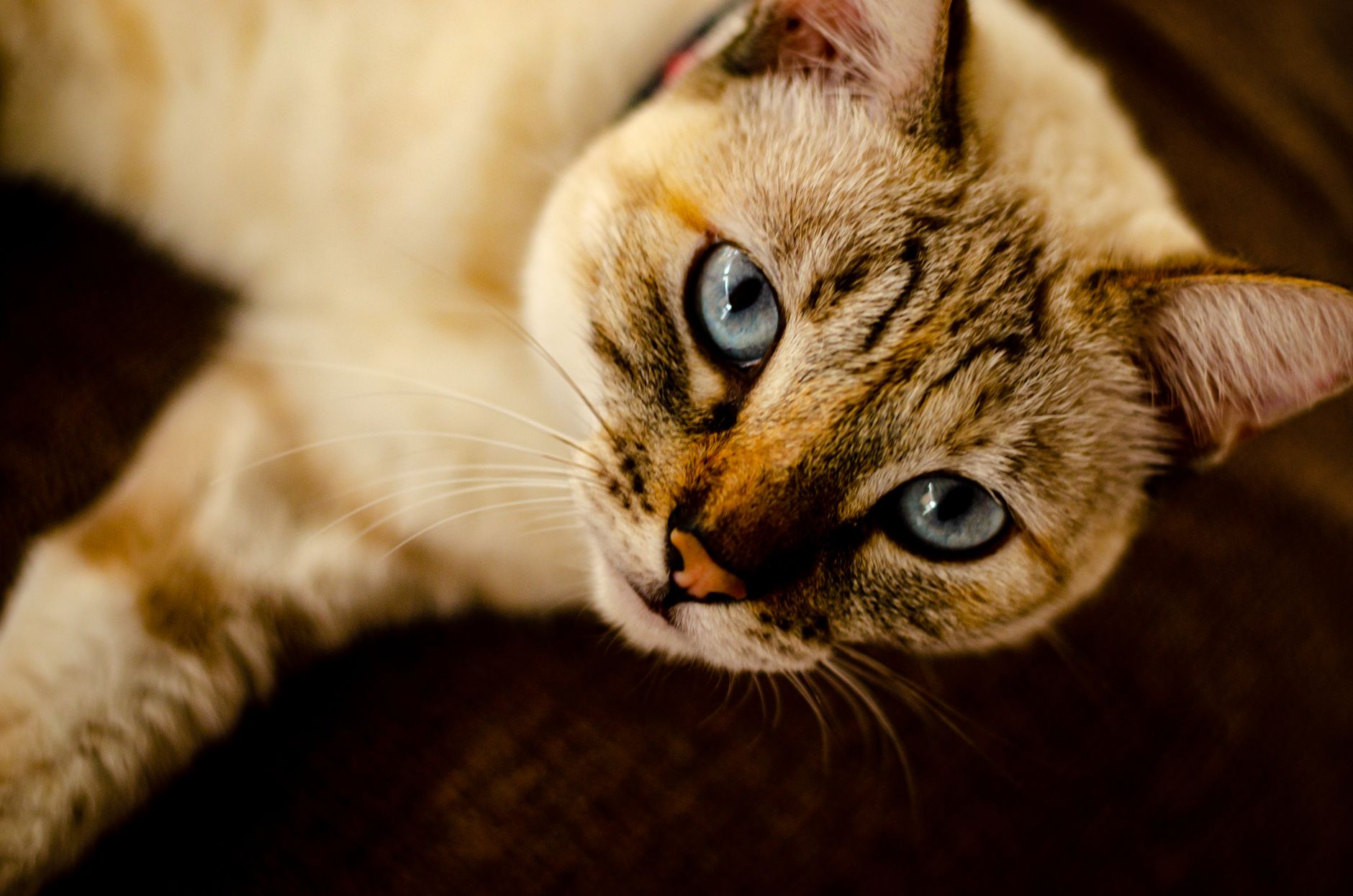
Cats’ eyes change color primarily during kittenhood, usually between 6 and 12 weeks of age. After this period, eye color typically remains stable for life. However, eye color changes in adult cats can occur due to aging, injury, disease, or underlying health conditions and should be evaluated carefully.
Why Kittens Are Born With Blue Eyes
All kittens are born with blue eyes. This happens because melanin, the pigment responsible for eye color, has not yet developed.
Key Reasons Kitten Eyes Start Blue
- Melanin production is inactive at birth
- The eyes are still developing
- Light scattering creates a blue appearance
When Do Kittens’ Eyes Open?
Kittens are born with closed eyes.
Eye Opening Timeline
- Eyes begin opening at 7–10 days
- Vision remains blurry at first
- Eye color appears blue initially
When Do Cats’ Eyes Start Changing Color?
Eye color changes usually begin around 3–4 weeks of age.
Early Color Development Stages
- Blue begins to fade
- Gray or muddy tones appear
- True color slowly emerges
When Do Cats’ Eyes Reach Their Final Color?
Most cats’ eyes reach their permanent color between 6 and 12 weeks.
Typical Finalization Timeline
- 6–8 weeks: noticeable color shift
- 8–12 weeks: stable pigmentation
- Up to 6 months: subtle refinement
What Determines a Cat’s Eye Color?
Eye color is primarily determined by genetics.
Main Influencing Factors
- Amount of melanin in the iris
- Genetic inheritance
- Breed characteristics
Common Adult Cat Eye Colors
Cats have a limited but striking range of eye colors.
Standard Eye Colors
- Green
- Yellow
- Amber
Less Common Cat Eye Colors
Some eye colors are rarer.
Rare Eye Colors
- Blue
- Copper
- Aqua
Which Cat Breeds Keep Blue Eyes?
Some breeds retain blue eyes into adulthood.
Breeds Known for Blue Eyes
- Siamese
- Ragdoll
- Birman
Why Some Adult Cats Have Blue Eyes
Persistent blue eyes are genetic.
Genetic Causes
- Color-point genes
- White coat genetics
- Low melanin levels
Can Adult Cats’ Eyes Change Color?
Adult cats’ eyes should not change color significantly.
Normal vs Abnormal Changes
- Normal: slight darkening with age
- Abnormal: sudden or uneven color change
- Concerning: color change in one eye only
Eye Color Changes Due to Aging
Subtle changes can occur in senior cats.
Age-Related Changes
- Slight dulling of color
- Cloudiness unrelated to pigment
- Reduced brightness
Sudden Eye Color Changes in Adult Cats
Sudden changes are a red flag.
Possible Causes
- Inflammation
- Trauma
- Systemic illness
When One Eye Changes Color
A single-eye color change is especially concerning.
Common Causes
- Eye injury
- Uveitis
- Eye tumors
Eye Color Changes Caused by Eye Infections
Inflammation can alter appearance.
Infection-Related Changes
- Redness masking iris color
- Cloudy appearance
- Uneven pigmentation
Glaucoma and Eye Color Changes
Glaucoma affects eye pressure.
Signs of Glaucoma
- Blue or cloudy cornea
- Eye enlargement
- Pain or squinting
Uveitis and Iris Color Changes
Uveitis causes inflammation of the eye.
Uveitis Symptoms
- Darkening or reddening of iris
- Light sensitivity
- Tearing or discharge
Iris Melanosis in Cats
Iris melanosis causes dark spots.
Characteristics of Iris Melanosis
- Flat brown or black spots
- Slow progression
- May become malignant
Iris Melanoma and Eye Color Changes
Iris melanoma is a serious condition.
Warning Signs
- Rapid darkening
- Raised spots
- Eye shape changes
Eye Color Changes Caused by Trauma
Injury can permanently alter eye color.
Trauma-Related Causes
- Scratches or punctures
- Blunt force injury
- Internal bleeding
Medications That Can Affect Eye Color
Some medications alter eye appearance.
Examples
- Long-term steroid use
- Certain eye drops
- Systemic medications
Does Coat Color Affect Eye Color?
Coat color and eye color are genetically linked.
Common Associations
- White cats often have blue or odd eyes
- Color-point cats have blue eyes
- Orange cats often have amber eyes
Odd-Eyed Cats Explained
Odd-eyed cats have two different eye colors.
Causes of Odd Eyes
- Genetic pigment distribution
- White coat genes
- Normal congenital variation
Are Eye Color Changes Ever Normal in Adults?
Significant changes are rarely normal.
What Is Considered Normal
- Minor shade deepening
- Even changes in both eyes
- Gradual progression
When to See a Veterinarian
Early evaluation protects vision.
Vet Visit Is Needed If
- Eye color changes suddenly
- Only one eye is affected
- Pain or discharge is present
How Veterinarians Diagnose Eye Color Changes
Diagnosis involves eye examination.
Diagnostic Tools
- Ophthalmoscope exam
- Eye pressure testing
- Blood and imaging tests
Can Eye Color Changes Be Prevented?
Some causes are preventable.
Prevention Tips
- Regular veterinary checkups
- Prompt treatment of eye infections
- Protection from injuries
Eye Color Changes in Kittens vs Adults
Context is critical.
Key Differences
- Kittens: normal developmental change
- Adults: possible medical issue
- Seniors: higher disease risk
Common Myths About Cat Eye Color
Many myths exist.
Myths Explained
- Eye color predicts personality
- All kittens keep blue eyes
- Eye color changes are harmless
Final Takeaways
Cats’ eyes change color mainly during the first weeks of life. Kittens transition from blue to their permanent eye color by about 3 months of age. Eye color changes in adult cats are uncommon and may indicate injury or illness. Any sudden, uneven, or dramatic eye color change should be evaluated by a veterinarian to protect your cat’s vision and overall health.