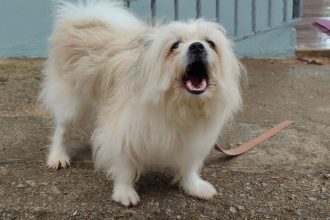
Choosing a dog is not only about appearance, size, or popularity. The best match usually comes from understanding how a dog’s temperament, energy needs, and behavior fit with the owner’s daily routine. Questions like “what sort of dog am I looking for?” can help people begin thinking about compatibility before bringing a dog into their home.
Every dog breed has general characteristics shaped by history, breeding purpose, and typical behavior. While individual dogs can vary significantly, learning about these patterns can make it easier to identify what type of companion may suit a person’s lifestyle.
Start With Your Lifestyle, Not Just the Breed
Many people choose dogs based on appearance, but looks do not always reflect the amount of care, exercise, or training a dog requires. A small dog may have a very active personality, while a larger dog may prefer a calmer routine.
Before deciding what sort of dog is right for you, consider several practical factors:
- Daily schedule: How much time can you spend exercising, training, and interacting with a dog?
- Activity level: Do you prefer outdoor adventures or a quieter home environment?
- Living space: Does your home provide enough room for the dog’s size and energy level?
- Experience: Are you prepared for a breed that requires advanced training?
- Long-term commitment: Can you provide care throughout the dog’s entire life?
Different Dog Types for Different Personalities
| Dog Type | Often Suitable For | Important Considerations |
|---|---|---|
| Active working dogs | People who enjoy exercise, learning, and structured activities | Usually need regular physical and mental stimulation |
| Family companion dogs | Owners looking for affection and social connection | May require attention and consistent interaction |
| Independent breeds | Experienced owners who appreciate confident personalities | Can require patience and thoughtful training approaches |
| Small companion breeds | People seeking a close household companion | Small size does not always mean low maintenance |
| Outdoor-oriented breeds | Owners who enjoy hiking, running, or outdoor activities | Need appropriate outlets for their energy |
Questions That Can Help Find Your Dog Match
How much energy do you have?
Your activity level is one of the most important factors when choosing a dog. People who enjoy daily exercise and outdoor activities may be better suited to energetic breeds that thrive on movement and challenges.
On the other hand, someone with a calmer routine may prefer a dog that is comfortable with moderate exercise and relaxed companionship. Choosing a dog with significantly different energy needs can create challenges for both the owner and the animal.
Do you prefer a social or independent companion?
Some dogs naturally seek constant interaction and enjoy being involved in family activities. Others are more independent and may appreciate having their own space while still forming strong bonds with their owners.
Understanding this difference is important because a highly social dog may struggle in a home where it receives little interaction, while an independent dog may not fit someone looking for constant companionship.
Are you interested in training and activities?
Certain dogs are known for intelligence, focus, and enthusiasm for learning. These breeds can be excellent partners for owners who enjoy training, problem-solving games, or structured activities.
However, intelligence also means these dogs may become bored without enough mental stimulation. A smart dog is not automatically an easy dog.
Why Personality Tests About Dog Matches Can Be Fun but Limited
Online dog personality quizzes can be an entertaining way to explore possible matches, but they should not be treated as a scientific method for choosing a pet. A few questions cannot capture the full complexity of human preferences or canine behavior.
Breed characteristics are general tendencies, not guarantees. Individual dogs can differ because of genetics, early experiences, training, health, and environment.
Choosing the Right Dog Requires More Than a Personality Match
A good dog-owner relationship depends on compatibility, preparation, and commitment. Before choosing a breed, prospective owners should research grooming requirements, exercise needs, common health concerns, and training expectations.
Adoption organizations and responsible breeders can also provide valuable information about a dog’s temperament and background, helping people make a decision based on real needs rather than assumptions.
Final Thoughts
The question “what sort of dog should I have?” is ultimately about finding balance between your lifestyle and a dog’s requirements. The ideal companion is not necessarily the most popular breed or the one with the most appealing appearance, but the one whose needs you can consistently meet.
Understanding yourself is the first step toward understanding what type of dog can become a healthy and rewarding part of your life.