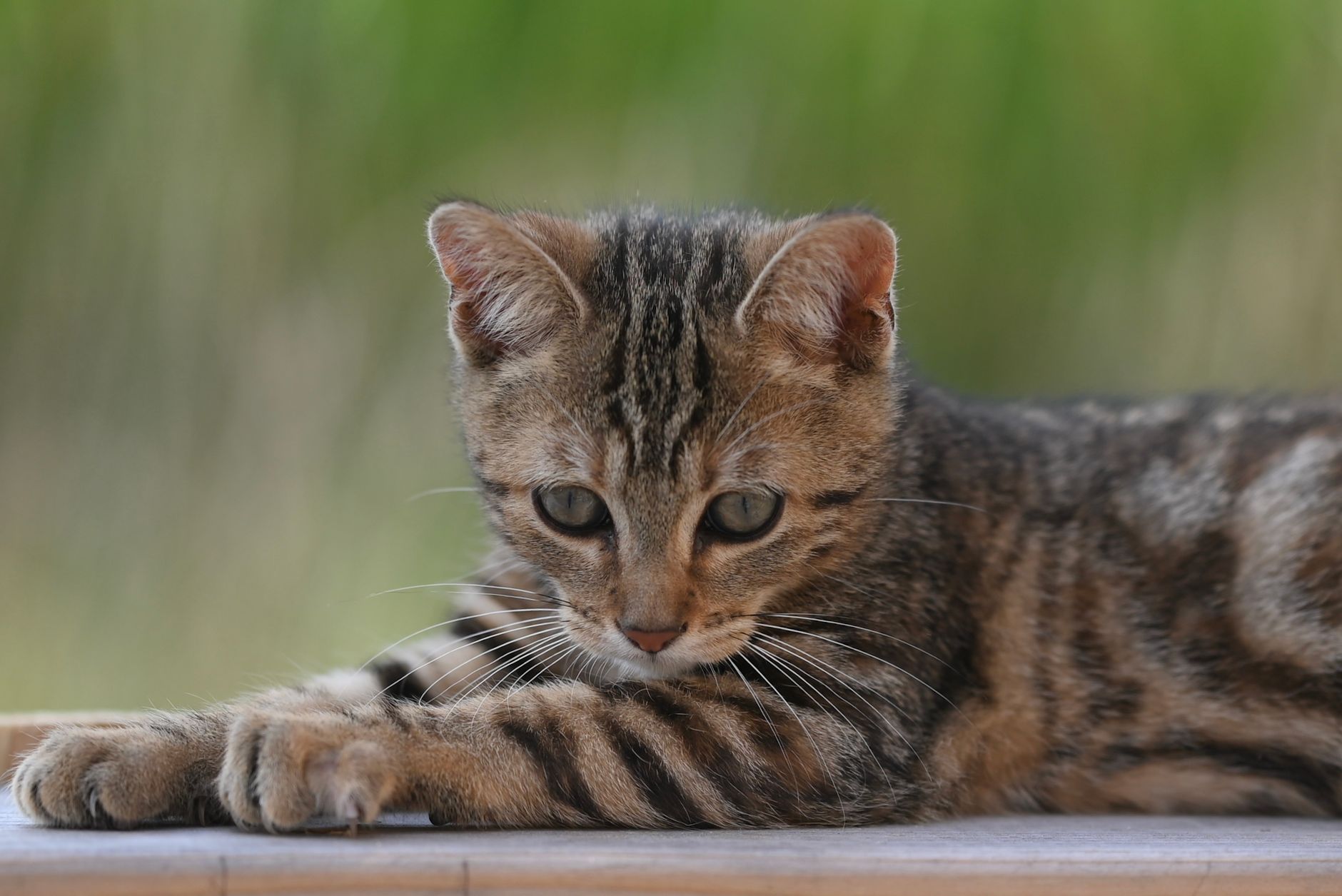
If your 4-month-old kitten weighs 5 pounds, you’re probably holding them and thinking:
“Are you supposed to be this big already?”
From a pawrent’s perspective, the short answer is:
Yes—this kitten is on the larger side of normal, but still very healthy in most cases.
A 5-pound cat at 4 months old is above average in weight, but that doesn’t automatically mean overweight. In fact, for many kittens—especially males or large-breed mixes—it can signal strong growth, good nutrition, and healthy development.
This article explains exactly how big a 5-pound 4-month-old cat is, how that compares to averages, what size they’re likely to reach as an adult, and when size does become a concern.
The Quick Pawrent Answer (Before We Go Deep)
A typical 4-month-old kitten weighs:
-
3.5–4.5 pounds on average
A 5-pound kitten at 4 months is:
-
Larger than average
-
Still within a healthy growth range
-
Often on track to become a medium-to-large adult cat
Weight alone does not determine whether a kitten is healthy. Body condition, muscle tone, and growth pattern matter more than the number on the scale.
What “Big” Means at 4 Months Old (Pawrent Reality)
At 4 months, kittens are in an awkward growth phase.
As a pawrent, you may notice your kitten is:
-
Long but still skinny
-
All legs and paws
-
Surprisingly heavy when picked up
That’s normal.
Kittens grow in this order:
-
Skeleton (length + height)
-
Muscle
-
Body mass and proportions
So a 5-pound kitten often looks:
-
Taller
-
Longer
-
More solid than littermates
But not “fat.”
Average Kitten Growth Chart (4 Months Old)
Here’s how your kitten compares to general growth benchmarks:
| Age | Average Weight |
|---|---|
| 8 weeks (2 months) | 2–2.5 lbs |
| 12 weeks (3 months) | 3–4 lbs |
| 16 weeks (4 months) | 3.5–4.5 lbs |
| 20 weeks (5 months) | 4.5–6 lbs |
A 5-pound kitten at 4 months is roughly 1–1.5 pounds ahead of the curve.
That’s not excessive—it’s just fast growth.
Why Some 4-Month-Old Kittens Are Bigger Than Others
From a pawrent’s POV, size differences at this age are very common.
Factors that influence kitten size include:
Genetics
-
Large parents = large kittens
-
Mixed breeds often grow bigger than expected
Sex
-
Male kittens tend to grow faster and heavier
-
Females often lag slightly behind
Nutrition
-
High-quality kitten food supports faster growth
-
Consistent feeding leads to steady weight gain
Early Health
-
Kittens that didn’t struggle early often grow rapidly once stable
A 5-pound kitten is often just a well-fed, genetically large baby.
How Big Does a 5-Pound 4-Month-Old Kitten Look?
From daily life with your kitten, you’ll notice:
-
They no longer look “tiny”
-
Their paws look oversized
-
Their body feels solid, not squishy
-
They stretch out to surprising lengths
Physically, many 5-pound kittens at 4 months:
-
Measure 10–12 inches long (nose to base of tail)
-
Stand 7–8 inches tall at the shoulder
-
Have long tails and big ears
They often feel bigger than they look.
The “Rule of Thumb” Pawrents Hear (And Misunderstand)
You may hear:
“A kitten gains about 1 pound per month.”
This is a rough average, not a rule.
By that guideline:
-
4 months ≈ 4 pounds
But growth is not linear. Some kittens:
-
Gain faster early
-
Slow down later
-
Fill out instead of growing taller
Your 5-pound kitten is ahead now—but may level out later.
Does a 5-Pound 4-Month-Old Kitten Mean a Big Adult Cat?
Often, yes—but not always.
General projection (very approximate):
-
5 lbs at 4 months → 10–14 lbs as an adult
That range depends on:
-
Breed
-
Sex
-
Whether they’re neutered/spayed
-
Activity level
Large-breed cats (like Maine Coon mixes or Bengals) may grow well beyond that.
Breed Makes a Huge Difference
From a pawrent’s POV, this is where expectations can be off.
Domestic Shorthair / Mix
-
5 lbs at 4 months → often 10–12 lbs adult
Large Breeds (Maine Coon, Bengal, Ragdoll)
-
5 lbs at 4 months → can become 14–20+ lbs
Petite Breeds
-
5 lbs at 4 months is less common
If you don’t know the breed, paws and bone structure are better predictors than weight alone.
Muscle vs Fat: The Most Important Pawrent Check
Weight is meaningless without body condition.
A healthy 4-month-old kitten should:
-
Have a visible waist from above
-
Feel firm, not squishy
-
Have ribs you can feel but not see sharply
If your kitten is:
-
Active
-
Playful
-
Lean with muscle tone
Then 5 pounds is not too big.
Why Kittens Rarely Become “Overweight” at 4 Months
Kittens are in a calorie-burning phase.
They:
-
Play constantly
-
Grow rapidly
-
Build muscle and bone
True obesity is extremely rare in kittens under 6 months unless:
-
Severely overfed
-
Inactive due to illness
A healthy kitten self-regulates energy use extremely well.
Neutering/Spaying and Size Concerns
Many pawrents worry:
“Will fixing my kitten make them bigger or smaller?”
At 4 months:
-
Spaying/neutering does not stunt growth
-
It does not cause immediate weight gain
Growth is driven more by genetics and nutrition than hormones at this stage.
How Fast Should a Kitten This Size Keep Growing?
Healthy growth after 4 months usually:
-
Slows slightly
-
Becomes steadier
-
Shifts from height → muscle
If your kitten continues gaining about 0.5–1 pound per month, that’s normal.
Sudden spikes or plateaus should be discussed with a vet.
Pawrent Worries That Are Usually Unnecessary
Many pawrents worry about:
-
“Too big too fast”
-
“Eating too much”
-
“Future obesity”
In reality:
-
Growing kittens need calories
-
Restricting food too early is harmful
-
Growth spurts are normal
Kittens should never be dieted.
When Size Is a Reason to Check With a Vet
Size alone isn’t concerning—but combine it with symptoms and it matters.
Check with a vet if your 5-pound 4-month-old kitten has:
-
Rapid weight gain with low activity
-
Bloated abdomen
-
Lethargy
-
Poor muscle tone
These are health issues—not size issues.
Comparing Your Kitten to Littermates (Why It’s Misleading)
Within one litter, kittens can vary by:
-
30–50% in size
Being the “big one” means very little long term.
Many of the largest kittens end up average adults—and vice versa.
How Big They Feel in Daily Life (Pawrent POV)
At 5 pounds, your kitten probably:
-
Takes up half your pillow
-
Feels heavy when sleeping on your chest
-
Knocks things over easily
-
Jumps higher than expected
This is the stage where they stop feeling like a “tiny baby” and start feeling like a small cat.
The Next 6–12 Months: What to Expect
From now on, growth will:
-
Slow gradually
-
Focus on muscle
-
Stabilize by 12–18 months
Your kitten may look awkward for a while—that’s normal.
Why Pawrents Often Underestimate Kitten Size
Most people:
-
Compare kittens to adult cats
-
Forget how fast cats grow
-
Underestimate muscle weight
A solid, athletic kitten should feel heavy.
Final Pawrent Perspective: Is a 5-Pound 4-Month-Old Cat Big?
From a pawrent’s point of view:
A 5-pound kitten at 4 months old is:
-
Bigger than average
-
Still completely normal
-
Often on track for a medium-to-large adult size
This weight usually reflects:
-
Good nutrition
-
Healthy growth
-
Strong genetics
Your kitten isn’t “too big”—they’re just growing confidently.