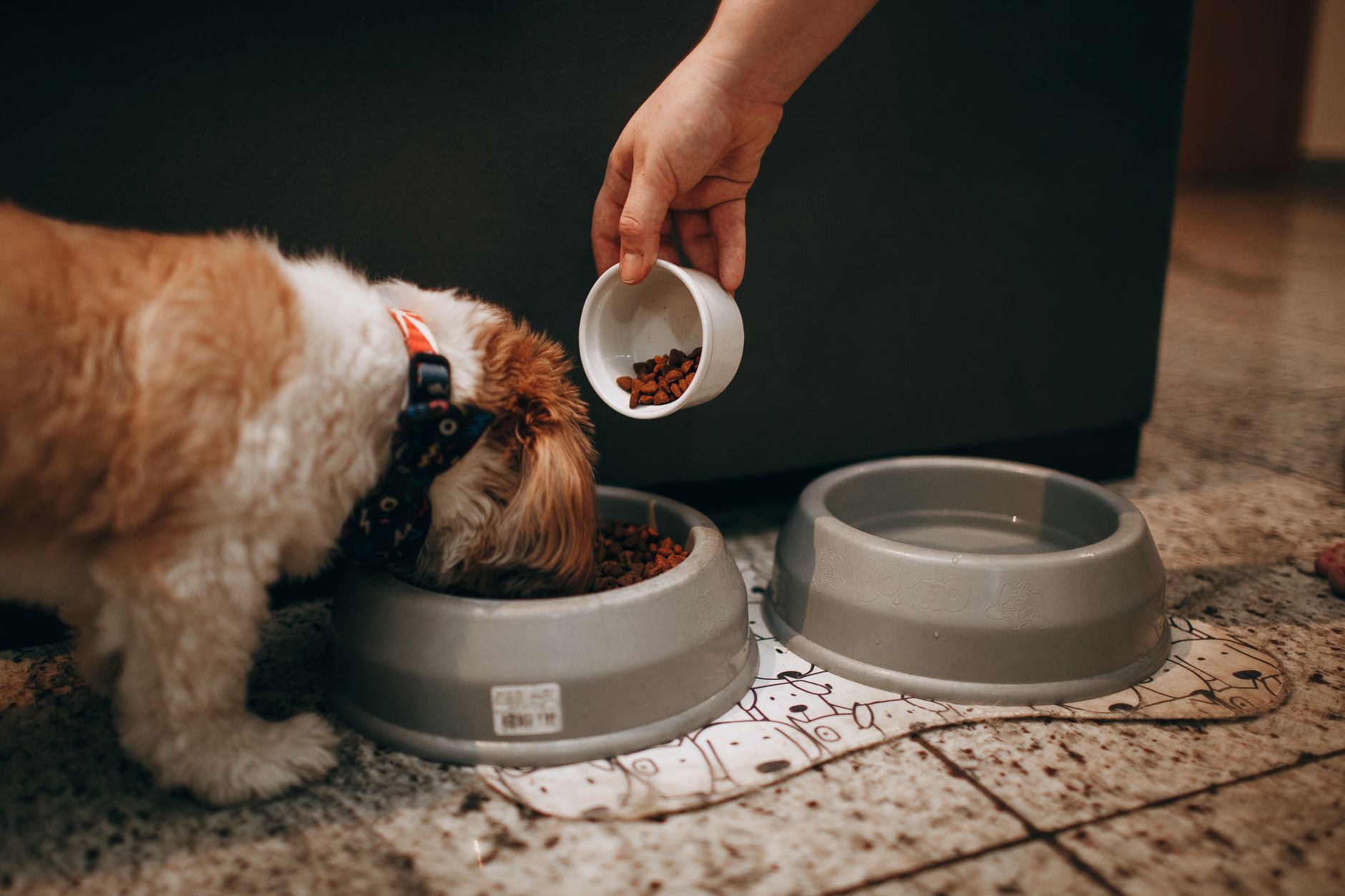
Dogs are naturally curious and often want to taste whatever their owners are eating. While sharing a small treat can be a positive part of bonding with a pet, many human foods are unsuitable for dogs. Some are difficult for them to digest, while others can cause serious health problems even in small quantities.
Understanding the difference between safe and unsafe foods is an important part of responsible dog care. A healthy diet should primarily come from complete dog food formulated for canine nutritional needs, with human foods used only as occasional additions when they are appropriate.
Human Foods That Are Generally Safe for Dogs
Several everyday foods can be offered to dogs as treats if they are prepared correctly and given in moderation. The main consideration is avoiding added ingredients such as salt, sugar, spices, sauces, and seasonings that may be harmful.
| Food | Potential Benefit | How to Serve Safely |
|---|---|---|
| Carrots | Provides fiber and can be a low-calorie snack | Cut into small pieces suitable for the dog’s size |
| Apples | Contains vitamins and can provide a crunchy texture | Remove seeds and the core before feeding |
| Blueberries | Contains antioxidants and can be used as a small treat | Serve in limited portions |
| Plain cooked meat | Provides protein | Remove bones and avoid seasoning |
| Plain pumpkin | Contains fiber that may support digestive health | Use plain pumpkin without added sugar or spices |
Foods Dogs Should Never Eat
Some foods that are common in human diets can be dangerous for dogs because their bodies process certain compounds differently. These foods should be kept away from pets.
- Chocolate: Contains substances that can negatively affect a dog’s nervous system and heart.
- Grapes and raisins: Have been associated with serious kidney-related problems in dogs.
- Onions and garlic: Can damage red blood cells and may contribute to anemia.
- Xylitol: A sweetener found in some products that can cause dangerous reactions in dogs.
- Coffee and caffeine-containing products: May affect the heart and nervous system.
- Alcohol: Is unsafe and can cause severe health effects.
Foods That Are Not Always Toxic but Can Still Be Harmful
A food does not need to be poisonous to create problems. Some foods may lead to digestive issues, weight gain, or other health concerns when consumed frequently.
- Fatty foods: Excessive fat intake may upset digestion and contribute to health complications.
- Salty snacks: Foods designed for humans often contain more sodium than dogs need.
- Cooked bones: They can break into sharp pieces and potentially injure the digestive tract.
- Large amounts of dairy: Some dogs cannot properly digest lactose.
Can Dogs Eat Fruit?
Some fruits can be healthy treats, but preparation is important. The edible part of a fruit may be safe while the seeds, pits, leaves, or stems may create risks.
- Peaches and nectarines: The flesh may be offered in small amounts after removing the pit. The pit can create a choking hazard and other health risks.
- Cherries: Avoid giving cherries with pits, stems, or leaves.
- Avocado: Certain parts of the plant may cause concerns, and the large pit can be dangerous if swallowed.
How to Introduce New Foods to Your Dog
Even foods considered safe should be introduced carefully. Dogs differ in size, age, metabolism, and sensitivity, so a food that works well for one dog may not suit another.
- Give a very small amount when introducing a new food.
- Introduce one new ingredient at a time so reactions are easier to identify.
- Monitor for signs such as vomiting, diarrhea, itching, or changes in behavior.
- Stop giving the food if your dog shows signs of intolerance.
What to Do If Your Dog Eats Something Dangerous
If a dog consumes a potentially toxic food, contact a veterinarian as soon as possible. The seriousness of the situation depends on the type of food, the amount eaten, and the dog’s size and overall health.
Avoid delaying professional advice or attempting unverified treatments at home. Quick action can be important when dealing with possible poisoning.
Building Better Feeding Habits for Dogs
The safest approach is to treat human food as an occasional supplement rather than a replacement for balanced dog nutrition. Choosing appropriate ingredients, controlling portions, and avoiding risky foods can help prevent many avoidable health issues.
A little knowledge goes a long way: knowing what dogs can eat and what they cannot eat allows owners to share treats responsibly while protecting their pets’ health.