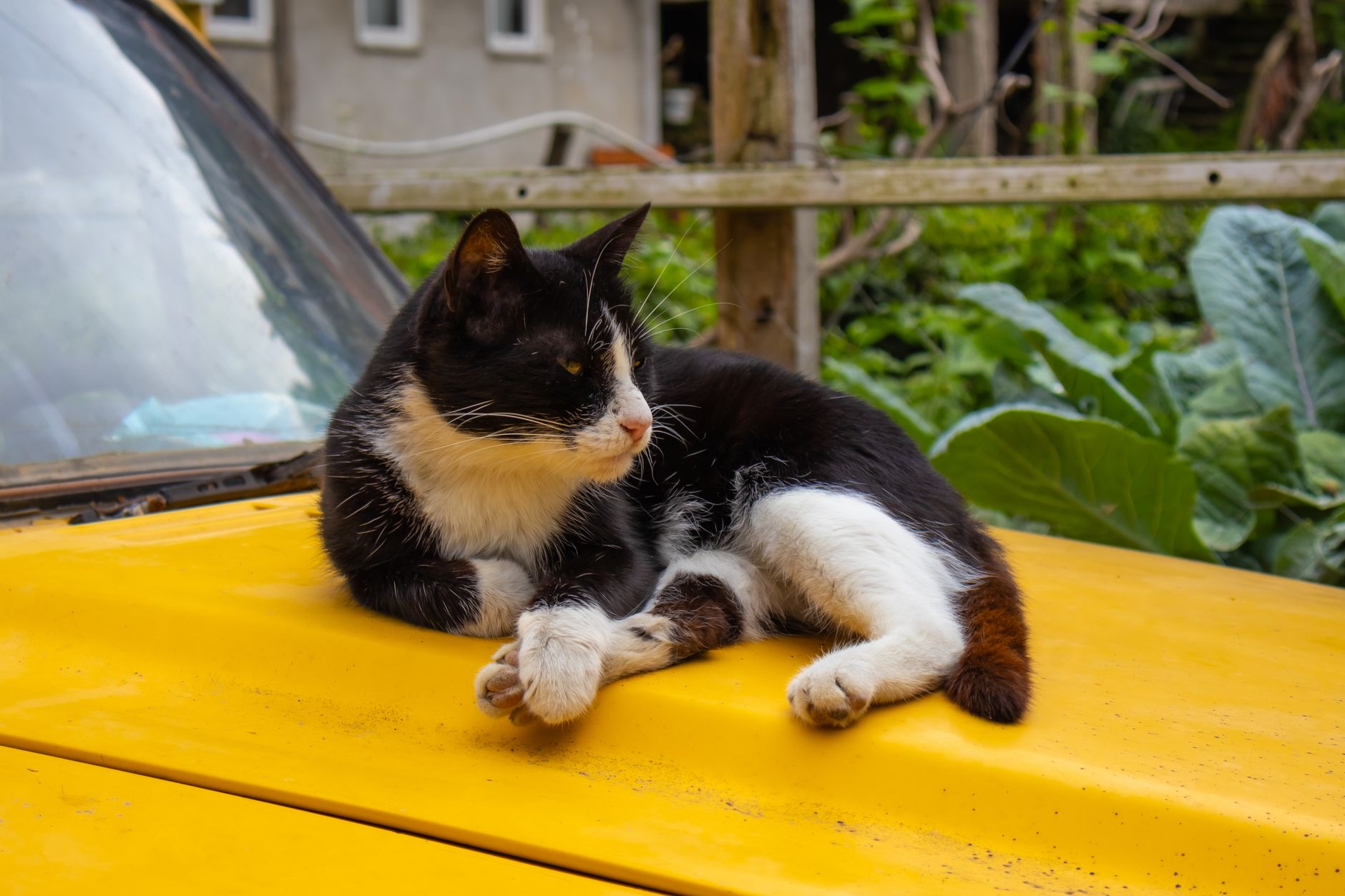
You can keep cats off your car by eliminating warmth attraction, using scent and texture deterrents, applying motion-based repellents, and making the area less appealing over time. Cats sit on cars for comfort and safety, not to cause damage, so the most effective solutions focus on discouragement rather than punishment.
Why Cats Are Attracted to Cars
Understanding why cats choose cars helps you stop the behavior effectively. Cars provide multiple benefits that appeal to feline instincts.
Main Reasons Cats Sit on Cars
- Warmth retention: Engines, hoods, and roofs stay warm for hours after driving.
- Elevated position: Height allows cats to monitor surroundings and feel safe.
- Shelter: Cars block wind, rain, and snow.
Common Problems Caused by Cats on Cars
Cats do not intend to damage vehicles, but their presence can still cause issues.
Typical Car-Related Issues
- Scratches on paint from claws
- Paw prints, fur, and saliva residue
- Chewed wires or insulation in engine compartments
Why Shouting or Chasing Cats Does Not Work
Fear-based methods are ineffective long term. Cats return once the threat is gone.
Problems With Fear-Based Deterrents
- Cats habituate quickly to noise
- Stress increases repeated visits
- Behavior resumes when humans are absent
Use Scent Deterrents Cats Naturally Avoid
Cats rely heavily on smell to assess safety. Certain scents discourage lingering.
Effective Cat-Safe Scents
- Citrus: Lemon, orange, or grapefruit peels placed near parking areas.
- Vinegar: Diluted vinegar sprayed around tires and pavement.
- Peppermint oil: Mixed with water and applied to non-painted surfaces.
Change the Surface Texture on and Around the Car
Cats avoid unstable or uncomfortable textures. Texture changes are powerful deterrents.
Texture-Based Solutions
- Aluminum foil temporarily placed on the hood or roof
- Plastic carpet runners with raised bumps
- Rough outdoor mats near parking spaces
Use Motion-Activated Deterrents
Motion-based deterrents provide consistent, automated protection.
Humane Motion Deterrent Options
- Motion-activated sprinklers
- Ultrasonic animal repellers
- Battery-powered motion alarms
Covering Your Car Properly
A car cover removes warmth, scent, and access. This is especially useful for outdoor parking.
How to Use a Car Cover Effectively
- Choose a thick, fitted cover
- Secure edges tightly
- Wash covers regularly to remove scent buildup
Protecting the Engine Compartment
Cats often crawl into engines for warmth. This can be dangerous for both the cat and your vehicle.
Engine Safety Measures
- Tap the hood before starting the engine
- Install engine bay deterrent lights
- Apply scent deterrents beneath the hood
Remove Attractants From the Area
Cats return to locations that meet their needs. Removing incentives reduces repeat visits.
Common Attractants to Eliminate
- Outdoor pet food
- Open garbage bins
- Warm hiding spots near parking areas
Commercial Cat Repellents
Commercial repellents offer convenience and consistency.
Types of Repellents Available
- Spray-on driveway repellents
- Granular deterrents
- Gel-based scent barriers
Why Harmful Methods Should Never Be Used
Harmful deterrents are unethical, unsafe, and often illegal.
Dangerous Methods to Avoid
- Poison or toxic substances
- Glue traps or sticky surfaces
- Electric shock devices
Dealing With Neighborhood or Feral Cats
Community cats require a community-based solution.
Effective Community Approaches
- Trap–Neuter–Return (TNR) programs
- Coordination with local animal groups
- Consistent deterrents across properties
How Long It Takes to See Results
Behavior change requires consistency. Most cats stop returning within a few weeks.
Typical Timeline
- 1–3 days: Initial avoidance begins
- 1–2 weeks: Visits decrease significantly
- 3–4 weeks: Habit usually breaks
Common Mistakes That Reduce Effectiveness
Small mistakes often cause deterrents to fail.
Mistakes to Avoid
- Using only one deterrent
- Stopping deterrents too early
- Inconsistent application
Best Long-Term Prevention Strategy
The most effective approach combines multiple deterrents.
Recommended Combination
- Scent deterrents for smell
- Texture deterrents for touch
- Motion deterrents for surprise
Frequently Asked Questions
Will cats eventually stop coming?
Yes. When the car no longer provides warmth, comfort, or safety, cats seek other locations.
Are ultrasonic repellents safe?
Yes. They are non-toxic and designed to deter without causing pain.
Does this harm cats?
No. Humane deterrents simply make the environment unattractive.
Final Takeaways
Keeping cats off your car is about removing comfort, not punishing behavior. By combining scent deterrents, texture changes, motion-based devices, and consistent prevention, you can protect your vehicle while keeping cats safe and unharmed.