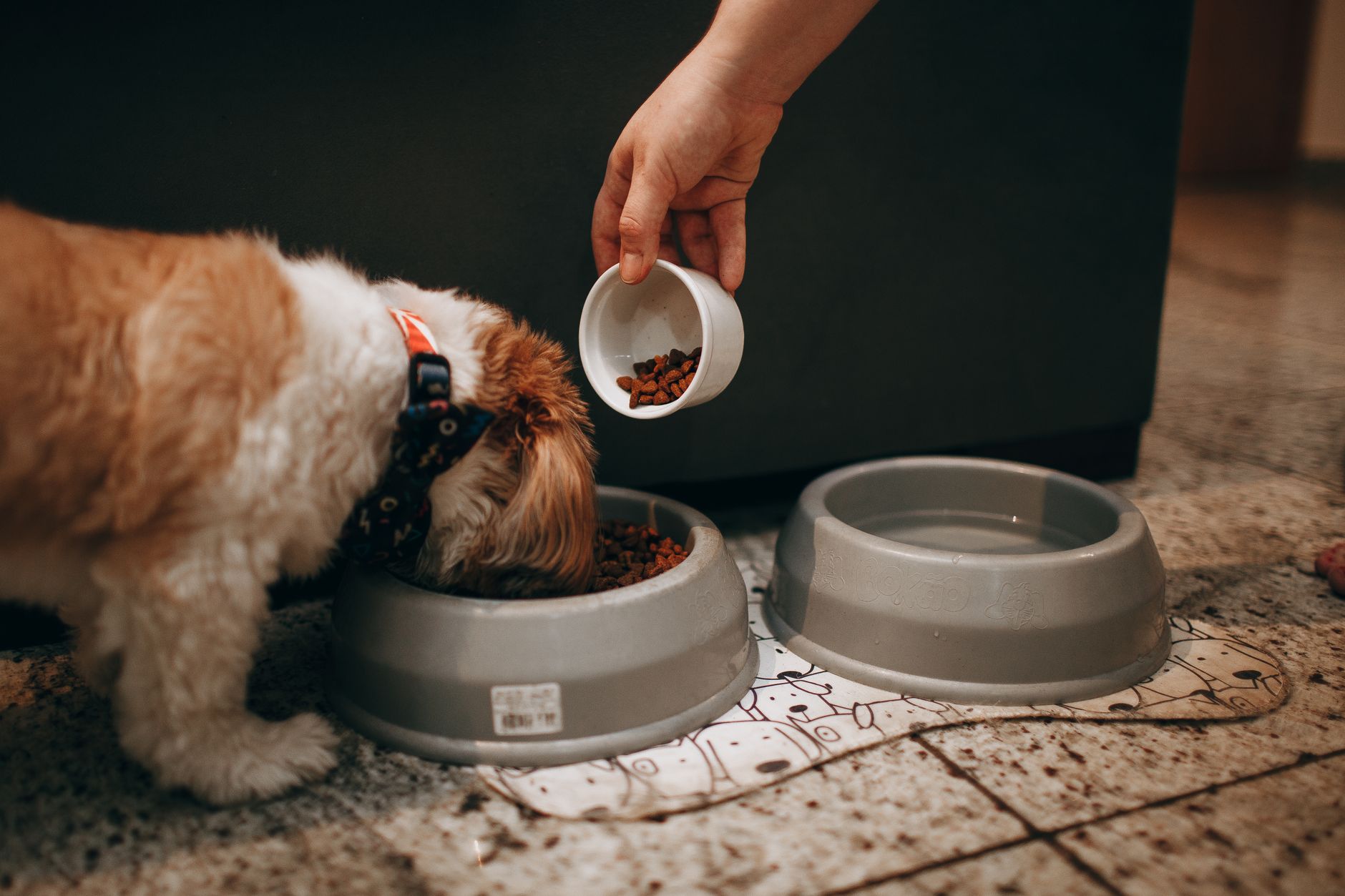
A dog’s diet affects nearly every part of its health, from energy levels and digestion to weight management and long-term wellbeing. Although dogs often appear willing to eat almost anything, their nutritional needs are more specific than their appetite suggests.
Understanding what dogs eat involves more than simply knowing which foods they enjoy. Owners need to consider the balance of proteins, fats, carbohydrates, vitamins, minerals, and the safety of each ingredient before adding something new to a dog’s meal plan.
The Basic Diet Dogs Need
Dogs are classified as omnivores, meaning they can digest and benefit from both animal-based and plant-based foods. However, animal protein remains an important part of most dogs’ diets because it provides essential amino acids needed for maintaining muscles, tissues, and normal body functions.
A balanced dog diet typically includes:
- Protein: Supports muscle development, repair, and overall body maintenance.
- Fats: Provide concentrated energy and help support healthy skin and coats.
- Carbohydrates: Supply energy and can provide dietary fiber.
- Vitamins and minerals: Help regulate important biological processes.
- Water: Essential for digestion, circulation, and temperature regulation.
Common Foods Dogs Eat
Most pet dogs are fed commercially prepared food because these products are designed to provide complete nutrition when formulated correctly. However, dogs may also eat certain human foods when they are safe and offered in appropriate amounts.
| Food Category | Examples | Role in a Dog’s Diet |
|---|---|---|
| Animal proteins | Chicken, beef, fish, eggs | Provides amino acids for muscles and body tissues. |
| Vegetables | Carrots, green beans, pumpkin | Can provide fiber and additional nutrients. |
| Fruits | Apples without seeds, blueberries, bananas | May be used as occasional treats. |
| Grains and carbohydrates | Rice, oats, certain grains | Can provide energy when suitable for the individual dog. |
Why Dogs Cannot Simply Eat Any Human Food
Dogs may show interest in foods that are unhealthy or dangerous for them. Some ingredients that are normal in human diets can cause serious problems in dogs because their bodies process certain compounds differently.
Foods that should generally be avoided include:
- Chocolate
- Grapes and raisins
- Onions and garlic
- Foods containing xylitol
- Alcohol
- Caffeinated drinks
- Cooked bones that can splinter
The preparation method also matters. A plain ingredient may be safe in some situations, while the same food cooked with salt, spices, sauces, or unhealthy fats may become unsuitable for dogs.
Do Dogs Need Meat Only?
A common misconception is that dogs must eat only meat because they are related to wolves. While dogs evolved from carnivorous ancestors, domesticated dogs have adapted to digest a broader range of foods.
A properly formulated diet can include plant ingredients as long as it meets the dog’s nutritional requirements. The focus should be on nutritional balance rather than a single food category.
How Much Should a Dog Eat?
The correct amount of food depends on several factors, including:
- Age
- Body size
- Activity level
- Breed characteristics
- Health condition
- Calorie content of the food
A highly active working dog may require more calories than a small companion dog with a sedentary lifestyle. Feeding recommendations should be adjusted based on body condition rather than following a fixed amount for every dog.
Puppies, Adult Dogs, and Senior Dogs Have Different Needs
A dog’s nutritional requirements change throughout life. Puppies need diets that support growth and development, including appropriate levels of nutrients for bones and muscles. Adult dogs generally need maintenance diets that support healthy weight and activity. Senior dogs may require adjustments based on reduced activity or age-related health concerns.
Can Dogs Eat a Homemade Diet?
Homemade diets can be suitable for some dogs, but they require careful planning. Simply combining meat, vegetables, and leftovers does not automatically create a complete diet. Nutritional deficiencies can develop if essential nutrients are missing.
Owners considering homemade feeding should ensure the diet meets veterinary nutritional guidelines, especially for dogs with medical conditions or specific dietary requirements.
Signs That a Dog’s Diet May Need Adjustment
A dog’s food choices and portion sizes can affect its health. Possible signs that a diet may not be suitable include:
- Unexplained weight gain or weight loss
- Dull coat or skin problems
- Frequent digestive upset
- Low energy levels
- Changes in appetite
Final Consideration
Dogs can eat a variety of foods, but a healthy diet depends on balance, safety, and individual needs. The goal is not to provide the largest variety of ingredients but to ensure every meal supports the dog’s nutritional requirements.
By understanding what dogs naturally need and which foods should be avoided, owners can make better decisions that support their pet’s health throughout every stage of life.