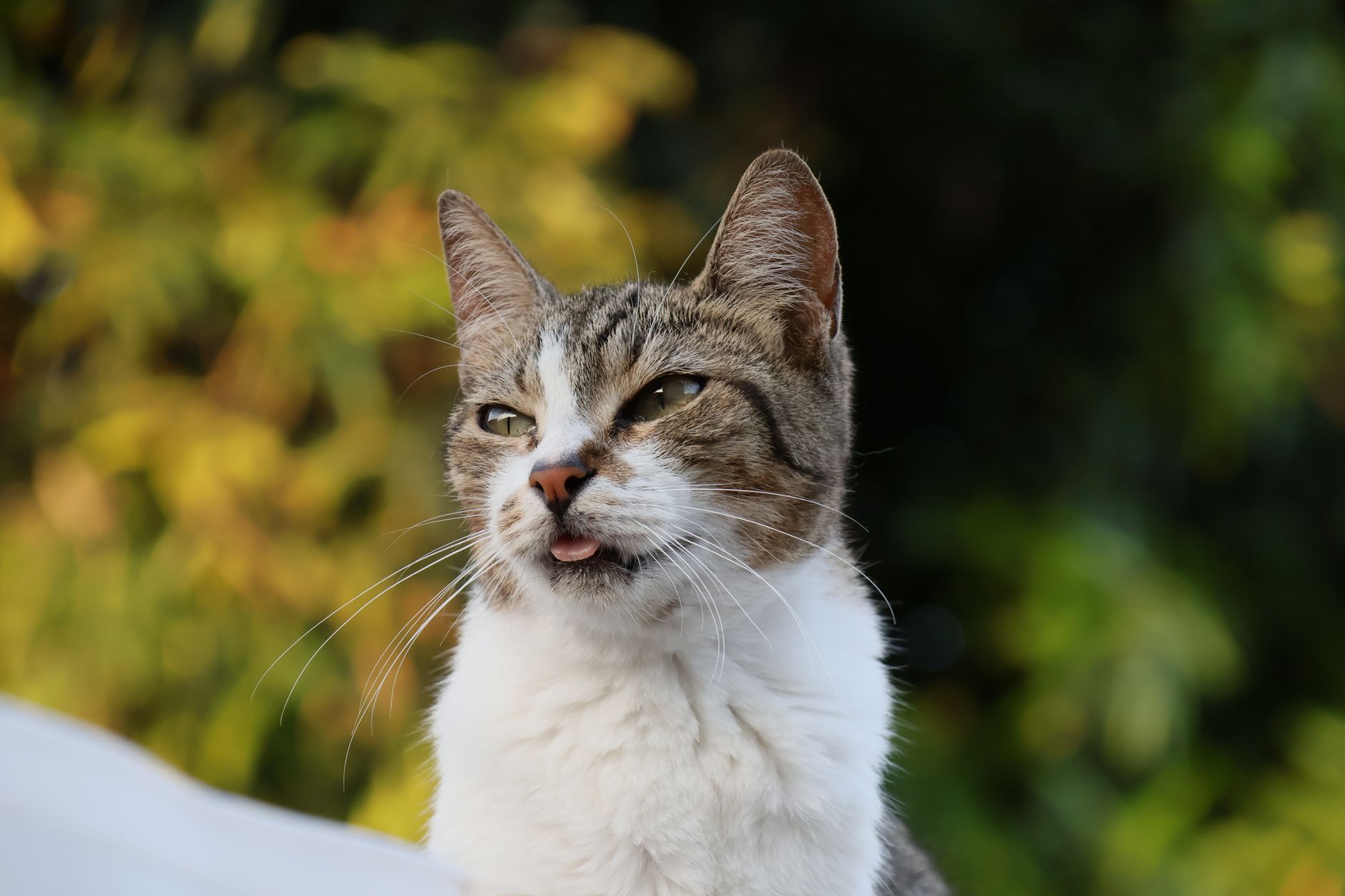
Cats salivate for both normal and pathological reasons. Mild drooling can signal relaxation, pleasure, or anticipation, while excessive or sudden salivation often indicates oral disease, nausea, toxin exposure, or neurological dysfunction. The determining factor is frequency, volume, context, and accompanying symptoms.
Understanding why cats salivate requires examining biology, emotion, anatomy, and disease processes, not just surface behavior. This article explains every major cause of feline salivation, how to interpret it accurately, and how to differentiate harmless drooling from a veterinary emergency.
Understanding Salivation in Cats: The Biological Foundation
Saliva is a biologically essential fluid produced by the salivary glands to support digestion, oral health, and tissue lubrication.
Cats possess four primary salivary glands:
-
Parotid glands
-
Mandibular glands
-
Sublingual glands
-
Zygomatic glands
These glands produce saliva containing:
-
Enzymes for initial digestion
-
Electrolytes for pH balance
-
Antimicrobial proteins to control bacteria
In healthy cats, saliva production remains low and well-regulated, which is why visible drooling is less common in cats than in dogs.
What Normal Salivation Looks Like in Cats
Normal feline salivation is:
-
Minimal
-
Clear
-
Odorless
-
Brief in duration
Most cats swallow saliva unconsciously, meaning visible drool is not the baseline state. When drooling becomes noticeable, context becomes critical.
Emotional and Behavioral Reasons Cats Salivate
Contentment and Relaxation Drooling
Some cats drool when they are deeply relaxed.
This often occurs during:
-
Gentle petting
-
Kneading behavior
-
Lap sitting
-
Sleep transitions
This form of salivation originates from parasympathetic nervous system activation, similar to how humans may salivate when relaxed or sleepy.
Cats that drool during affection typically show:
-
Slow blinking
-
Soft body posture
-
Purring
-
Half-closed eyes
In these cases, drooling reflects emotional security, not illness.
Anticipation of Food
Cats may salivate in response to anticipatory stimuli, such as:
-
Hearing food packaging
-
Smelling meat
-
Seeing a food bowl
This response is mediated by classical conditioning and digestive priming. Saliva prepares the mouth and stomach for incoming food.
This type of drooling is:
-
Short-lived
-
Directly linked to food cues
-
Absent once eating begins
Stress-Induced Salivation
Stress activates the sympathetic nervous system, which can also increase salivation.
Common stress triggers include:
-
Veterinary visits
-
Car rides
-
New environments
-
Loud noises
Stress drooling is often accompanied by:
-
Dilated pupils
-
Rapid breathing
-
Crouched posture
-
Vocalization
This response is adaptive but temporary.
Dental and Oral Health Causes of Cat Salivation
Periodontal Disease
Dental disease is the most common medical cause of excessive salivation in cats.
Plaque accumulation leads to:
-
Gingivitis
-
Periodontitis
-
Tooth root infection
Inflammation stimulates saliva production as the body attempts to flush bacteria and soothe damaged tissue.
Signs include:
-
Bad breath
-
Pawing at the mouth
-
Difficulty eating
-
Blood-tinged drool
By age 3 years, over 70% of cats show signs of periodontal disease.
Tooth Resorption (FORLs)
Feline odontoclastic resorptive lesions (FORLs) are extremely painful and often hidden beneath the gum line.
Affected cats may drool because:
-
Exposed nerves trigger pain
-
Inflammation stimulates salivary glands
-
Chewing becomes intolerable
Drooling may appear suddenly and worsen rapidly.
Oral Ulcers and Stomatitis
Feline chronic gingivostomatitis causes severe inflammation of the entire mouth.
This condition leads to:
-
Thick, rope-like saliva
-
Drooling with blood
-
Refusal to eat
-
Weight loss
The immune system overreacts to oral bacteria, creating persistent pain and excessive salivation.
Gastrointestinal Causes of Salivation
Nausea and Digestive Upset
Salivation often precedes vomiting.
Cats may drool due to:
-
Hairballs
-
Gastritis
-
Food intolerance
-
Foreign body ingestion
This occurs because the brainstem activates salivary glands as part of the vomiting reflex arc.
Drooling linked to nausea is often accompanied by:
-
Lip smacking
-
Swallowing repeatedly
-
Lethargy
Inflammatory Bowel Disease (IBD)
Chronic gastrointestinal inflammation can indirectly cause drooling due to:
-
Persistent nausea
-
Acid reflux
-
Pain signaling
IBD-related salivation is intermittent but recurrent.
Toxin and Poison Exposure
Household Toxins
Certain substances trigger hypersalivation immediately upon contact.
Common culprits include:
-
Cleaning chemicals
-
Essential oils
-
Antifreeze
-
Rodenticides
These substances irritate oral tissues or affect the nervous system.
Excessive drooling paired with:
-
Tremors
-
Vomiting
-
Weakness
requires emergency veterinary care.
Toxic Plants
Many plants cause oral irritation leading to drooling, including:
-
Lilies
-
Pothos
-
Dieffenbachia
-
Philodendron
These plants contain calcium oxalate crystals that cause immediate burning sensations in the mouth.
Neurological Causes of Excessive Salivation
Seizure Activity
Cats may drool before, during, or after seizures.
This occurs due to:
-
Loss of muscle control
-
Autonomic nervous system activation
Drooling may be accompanied by:
-
Disorientation
-
Twitching
-
Temporary blindness
Cranial Nerve Dysfunction
Damage to cranial nerves controlling facial muscles can impair swallowing, causing saliva to spill from the mouth.
Potential causes include:
-
Trauma
-
Brain tumors
-
Infections
Respiratory and Upper Airway Causes
Upper Respiratory Infections (URIs)
URIs can cause drooling due to:
-
Mouth breathing
-
Nasal congestion
-
Oral ulcers from viral infections
Viruses such as feline calicivirus often cause excessive drooling due to painful mouth lesions.
Medication-Induced Salivation
Certain medications stimulate salivary glands as a side effect.
These include:
-
Bitter antibiotics
-
Oral dewormers
-
Chemotherapy agents
Cats may drool temporarily after administration, especially if the medication tastes unpleasant.
Age-Related Factors in Cat Salivation
Kittens
Kittens may drool during:
-
Teething
-
Play excitement
-
Early food conditioning
This is typically mild and self-limiting.
Senior Cats
Older cats are more prone to:
-
Dental disease
-
Kidney disease
-
Oral tumors
Salivation in senior cats requires lower thresholds for veterinary evaluation.
Chronic Diseases Associated With Drooling
Kidney Disease
Uremic toxins can cause:
-
Oral ulcers
-
Nausea
-
Excessive drooling
This form of salivation often has a strong odor and correlates with appetite loss.
Liver Disease
Toxin buildup affects neurological control of salivation and nausea pathways.
Oral Tumors
Malignant growths in the mouth cause:
-
Pain
-
Tissue destruction
-
Persistent drooling
This is more common in older cats and often mistaken for dental disease.
How to Evaluate Your Cat’s Salivation at Home
Observation should focus on:
-
Volume (light moisture vs dripping)
-
Duration (seconds vs hours)
-
Triggers (food, stress, touch)
-
Additional symptoms
Patterns matter more than isolated events.
When Cat Salivation Is an Emergency
Immediate veterinary care is required if drooling occurs with:
-
Difficulty breathing
-
Seizures
-
Collapse
-
Ingestion of unknown substances
Rapid onset excessive drooling is never normal.
Diagnostic Process Used by Veterinarians
Veterinary evaluation may include:
-
Oral examination under sedation
-
Dental X-rays
-
Blood panels
-
Neurological assessment
The goal is identifying primary vs secondary salivation causes.
Treatment Approaches Based on Cause
Treatment may involve:
-
Dental cleaning or extractions
-
Anti-nausea medication
-
Pain management
-
Antibiotics
-
Dietary modification
Addressing the root cause resolves salivation in most cases.
Environmental and Preventive Strategies
Preventive care reduces pathological drooling risk:
-
Annual dental exams
-
Safe plant selection
-
Proper toxin storage
-
Regular grooming
Prevention focuses on oral health and environmental control.
Behavioral Conditioning and Salivation
Cats may learn to drool in response to:
-
Attention
-
Feeding schedules
-
Certain interactions
This is benign but reinforces behavior patterns.
The Role of Salivation in Cat Communication
Salivation itself is not communicative, but the context surrounding it is.
Cats rely on posture, sound, and behavior—not saliva—to express intent.
Final Perspective on Cat Salivation
Salivation in cats exists on a spectrum from harmless to life-threatening.
The difference lies in context, consistency, and accompanying signs.
Understanding these distinctions allows cat owners to respond appropriately—without panic or delay.
Medical References and Veterinary Sources
-
Merck Veterinary Manual
Hypersalivation (Ptyalism) in Cats
Merck & Co., Inc.
https://www.merckvetmanual.com
→ Used for clinical causes of excessive salivation, toxin exposure, neurological conditions, and systemic disease associations. -
American Veterinary Dental College (AVDC)
Feline Periodontal Disease and Tooth Resorption
https://avdc.org
→ Source for prevalence data on feline dental disease, gingivitis, and feline odontoclastic resorptive lesions (FORLs). -
Cornell University College of Veterinary Medicine
Feline Chronic Gingivostomatitis
https://www.vet.cornell.edu
→ Referenced for immune-mediated oral inflammation, clinical signs, and drooling presentation. -
Journal of Feline Medicine and Surgery (JFMS)
Harvey, C. E., & Emily, P. P.
Oral and Dental Diseases in Cats
J Feline Med Surg.
→ Used for correlations between oral pain, hypersalivation, and feeding behavior. -
International Cat Care (iCatCare)
Drooling and Salivation in Cats
https://icatcare.org
→ Behavioral and emotional causes of drooling, including stress, contentment, and environmental triggers. -
American Animal Hospital Association (AAHA)
Dental Care Guidelines for Cats
https://www.aaha.org
→ Referenced for dental disease statistics, preventive care, and oral health recommendations. -
Small Animal Internal Medicine (Nelson & Couto)
6th Edition, Elsevier
→ Used for gastrointestinal, renal, hepatic, and neurological causes of salivation. -
Plumb’s Veterinary Drug Handbook
Donald C. Plumb, PharmD
→ Source for medication-induced hypersalivation and bitter-taste reactions. -
Veterinary Clinics of North America: Small Animal Practice
Neurological Disorders in Cats
Elsevier
→ Referenced for seizure-related salivation and cranial nerve dysfunction. -
ASPCA Animal Poison Control Center
Toxic and Non-Toxic Plants for Cats
https://www.aspca.org
→ Used for plant-induced oral irritation and hypersalivation mechanisms.