Dogs are naturally good at hiding discomfort. Unlike humans, they cannot explain where something hurts or describe what they are feeling. Because of this, changes in behavior, movement, and daily habits often become the first clues that a dog may be experiencing pain.
Recognizing these signs early can help owners seek veterinary care sooner and prevent minor problems from becoming more serious. Pain does not always appear as obvious crying or limping; many dogs show subtle changes that are easy to overlook.
Behavior Changes Are Often the First Warning Sign
A dog experiencing pain may behave differently from its usual personality. A normally friendly dog might become withdrawn, while a quiet dog may become unusually restless or irritable.
Common behavioral changes that may indicate discomfort include:
- Avoiding interaction or hiding more often.
- Becoming sensitive when touched in certain areas.
- Showing unusual aggression or snapping when approached.
- Losing interest in activities that were previously enjoyable.
- Appearing restless and unable to find a comfortable position.
A single behavior change does not always mean a dog is in pain, but sudden or persistent changes deserve attention.
Watch for Changes in Movement and Posture
Physical discomfort often affects how a dog moves. Joint problems, injuries, muscle pain, or internal issues can change the way a dog walks, stands, or rests.
| Possible Sign | What It May Indicate |
|---|---|
| Limping or avoiding one leg | Possible injury, joint discomfort, or muscle problem |
| Difficulty standing up or climbing stairs | Possible pain related to joints, muscles, or aging |
| Changes in sleeping position | Trying to avoid pressure on a painful area |
| Stiff movement after resting | May be associated with mobility issues |
Pay attention to changes from your dog’s normal movement pattern. Owners often notice these differences before physical symptoms become obvious.
Changes in Eating, Drinking, and Daily Habits
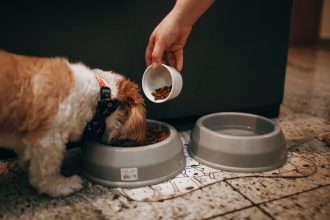
Pain can affect routine behaviors, including appetite and bathroom habits. A dog that suddenly refuses food, drinks much more or less than usual, or changes elimination patterns may need closer observation.
- Reduced appetite or reluctance to eat.
- Difficulty chewing or dropping food.
- Changes in water consumption.
- Unexpected accidents inside the house.
- Reduced energy during normal activities.
These symptoms can have many causes, so they should be evaluated together with other signs rather than viewed individually.
Physical Signs That Should Not Be Ignored
Some signs of pain are visible through a dog’s body language and physical condition. Owners should look for changes that appear unusual or continue over time.
- Excessive licking or chewing a specific body area.
- Swelling, wounds, or visible injuries.
- Heavy panting without exercise or heat exposure.
- Trembling or shaking.
- Changes in facial expression, such as squinting or a tense appearance.
Dogs communicate heavily through body language, and small physical changes can provide important information about their comfort level.
Understand That Dogs May Hide Pain
Many dogs instinctively hide weakness. This behavior comes from their survival instincts, where showing vulnerability could make them appear less capable. As a result, a dog may continue acting normally even while experiencing discomfort.
This is why regular observation is important. Knowing your dog’s normal behavior, energy level, appetite, and movement makes unusual changes easier to recognize.
When Should You Contact a Veterinarian?
Veterinary advice is recommended when pain signs are sudden, severe, or continue without improvement. Immediate attention may be needed if a dog experiences serious injury, difficulty breathing, inability to walk, extreme weakness, or significant changes in behavior.
A veterinarian can determine whether the cause is related to injury, illness, dental problems, aging, or another medical condition. Avoid giving human pain medication unless specifically instructed by a veterinary professional, as some medications can be dangerous for dogs.
How Owners Can Monitor Their Dog’s Comfort
Keeping track of your dog’s normal routine makes it easier to identify problems early. Simple habits can help:
- Observe changes in appetite, energy, and mood.
- Check for unusual sensitivity when grooming or handling your dog.
- Notice changes in walking, jumping, or climbing ability.
- Keep regular veterinary checkups, especially for older dogs.
Early Recognition Helps Protect Your Dog’s Health
Dogs cannot tell us when something hurts, so owners must rely on observation and understanding of normal behavior. Changes in movement, appetite, personality, and body language can provide valuable clues.
Paying attention to these signs does not replace professional diagnosis, but it allows problems to be identified earlier and gives dogs a better chance of receiving appropriate care when they need it.