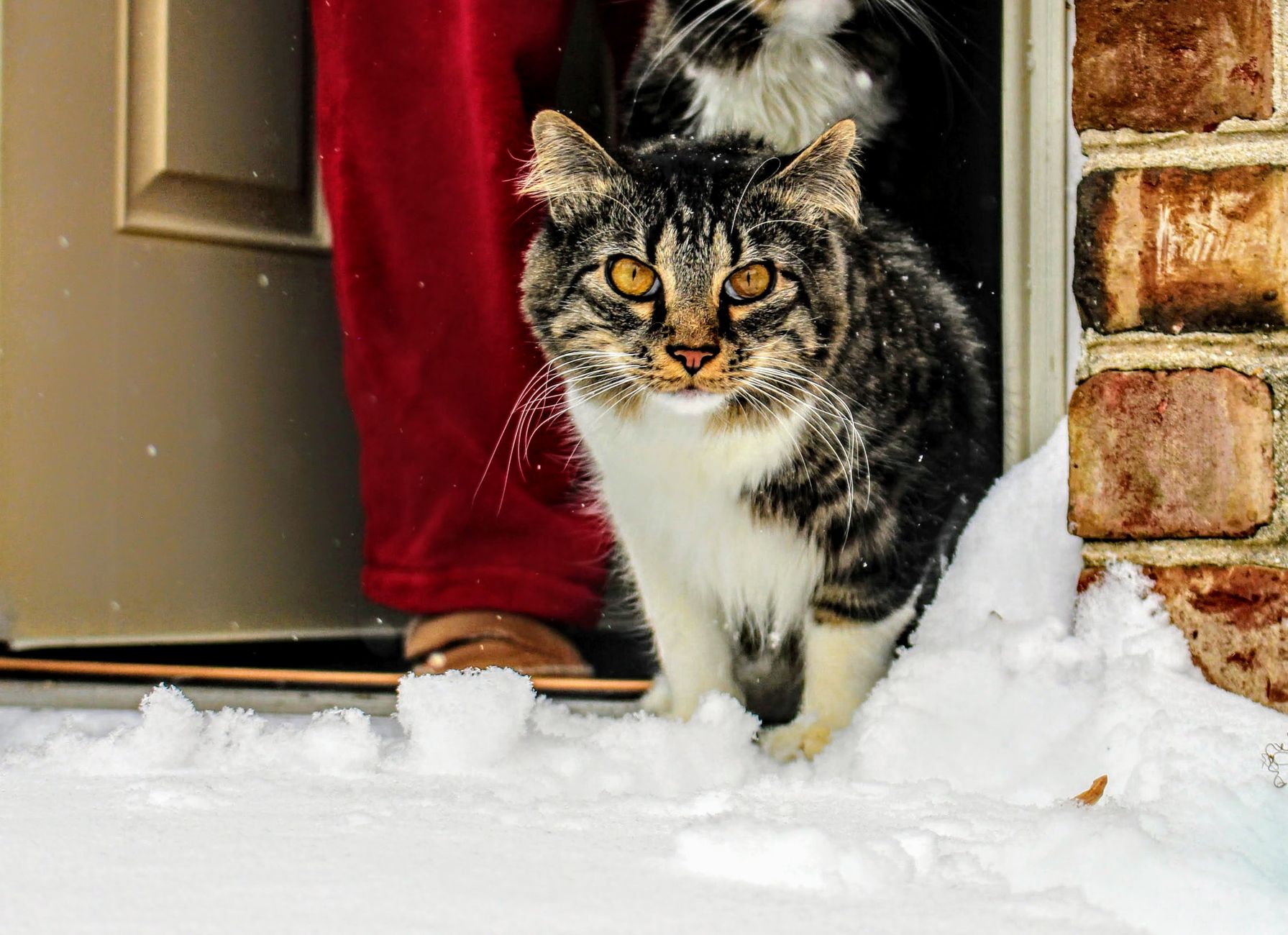
Finding a cat repeatedly visiting your yard, porch, or doorstep can feel unusual, especially if the animal appears comfortable around your home. While some cats are simply exploring their surroundings, repeated visits often happen because they have identified something valuable in that location.
A cat that regularly hangs around your house may be looking for food, shelter, safety, companionship, or simply a familiar environment. Understanding the reason behind this behavior can help you decide whether to welcome the cat, provide assistance, or encourage it to move elsewhere.
A Safe Environment Is Often the Biggest Attraction
Cats are naturally cautious animals. They tend to return to places where they feel secure and where potential threats are limited. A quiet yard, covered porch, shaded area, or peaceful corner can become an appealing resting location.
Outdoor cats often create routines around places that provide protection from weather, predators, and disturbances. If a cat repeatedly chooses your property, it may have determined that your home is a reliable safe zone.
Food and Water Can Encourage Repeat Visits
One of the most common reasons cats stay near a house is access to resources. Even small amounts of food, leftover pet food, open trash containers, or outdoor feeding areas can attract cats.
Once a cat associates a location with food, it may return regularly because cats are creatures of habit. Providing food unintentionally can turn a brief visit into a long-term routine.
Other resources that may attract cats include:
- Fresh water sources.
- Warm areas exposed to sunlight.
- Places to hide or rest.
- Access to insects or small prey.
The Cat May Be Looking for Human Attention
Some cats approach homes because they are comfortable around people. A friendly outdoor cat may have learned that humans provide interaction, affection, or protection.
Behaviors that suggest a cat is seeking attention include:
- Approaching when you come outside.
- Rubbing against objects near your home.
- Meowing or waiting near doors.
- Remaining relaxed when people are nearby.
However, friendliness does not always mean the cat is homeless. Many owned cats roam beyond their household boundaries and may visit multiple places during the day.
Territory and Familiar Scents Matter to Cats
Cats use scent as an important form of communication. They mark areas through facial rubbing, scratching, and other behaviors to identify familiar spaces.
A cat may continue visiting your property because it has become part of its perceived territory. Other cats in the area may also influence this behavior, as outdoor cats often monitor and revisit locations within their normal range.
Could the Cat Be Lost or Looking for Help?
Not every visiting cat is intentionally roaming. Some cats appear near homes because they are lost, abandoned, injured, or searching for assistance.
Signs that a cat may need help include:
- Appearing unusually thin or weak.
- Having visible injuries or poor coat condition.
- Showing extreme hunger or thirst.
- Staying near the house constantly instead of leaving.
- Wearing a collar or appearing recently separated from an owner.
If the cat seems healthy but unfamiliar, checking for identification or contacting local animal resources may help determine whether it belongs to someone nearby.
What Should You Do When a Cat Keeps Visiting?
The right response depends on your situation and the cat’s condition. If you want to help, provide assistance responsibly rather than immediately assuming ownership.
- Observe the cat first. Pay attention to its behavior, health, and routine.
- Check whether it has an owner. A friendly cat may simply be exploring.
- Provide basic support if needed. Clean water and temporary shelter can help during extreme weather.
- Consider veterinary care for concerning signs. Injured or sick cats may require professional attention.
When You Do Not Want a Cat Around Your Home
Some homeowners may not want cats regularly entering their property. In that case, avoid actions that unintentionally reward the behavior, such as leaving food outside.
Humane methods may include removing accessible food sources, blocking preferred resting areas, and using environmental changes that make the area less attractive while avoiding harm to the animal.
A Visiting Cat Is Usually Responding to Something Your Home Provides
Cats rarely choose locations randomly. A cat that repeatedly appears around your house has likely found something useful there, whether that is safety, resources, familiarity, or social interaction.
Understanding the reason behind the visits allows you to respond appropriately. The behavior may simply be normal feline exploration, or it may be a sign that a cat nearby needs support.