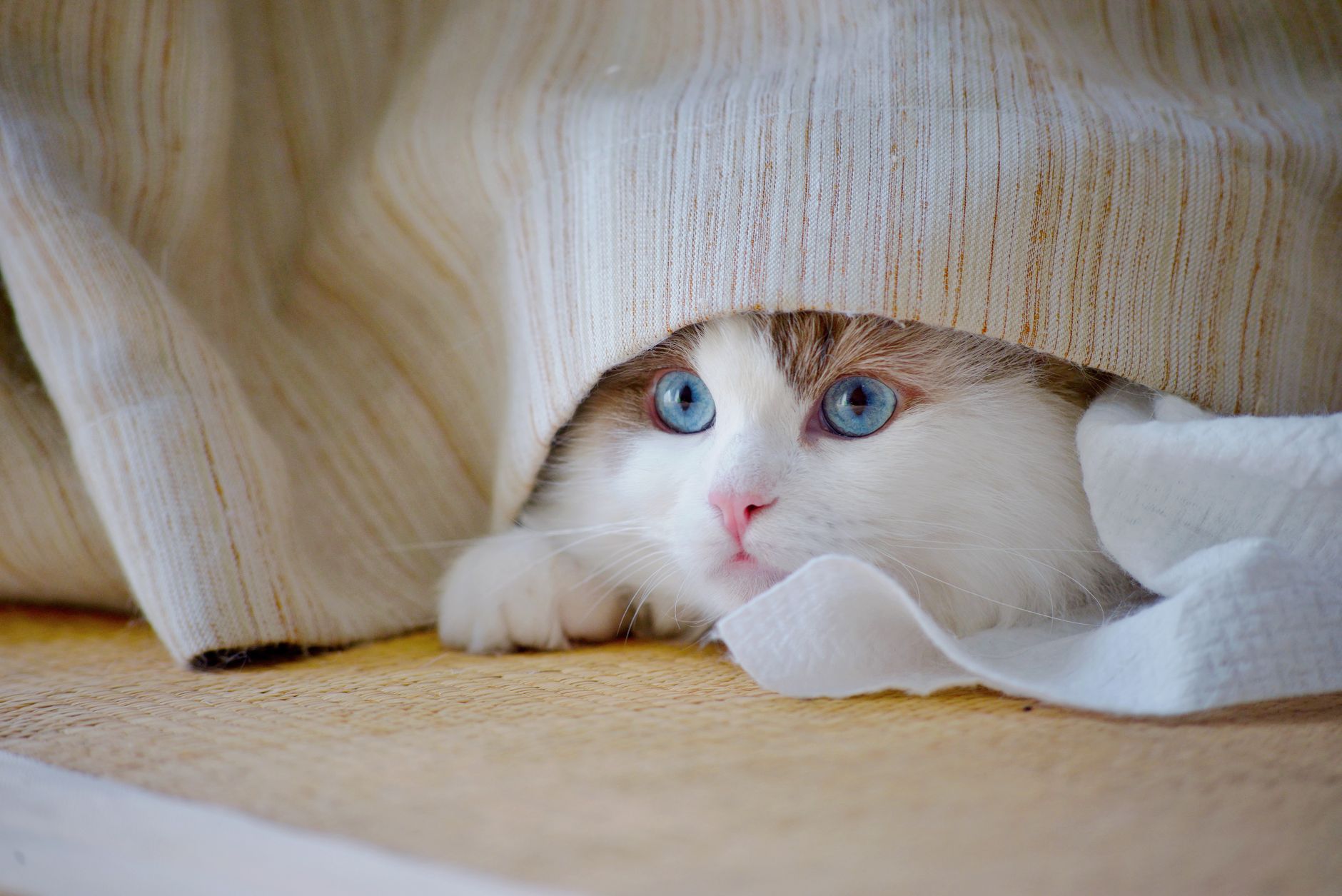
Cats suck on blankets because the behavior provides comfort and security. It is most often linked to early weaning, stress relief, and retained kitten nursing instincts. In most cases, blanket sucking is harmless and soothing.
What Blanket Sucking Means in Cats
Blanket sucking is a self-soothing behavior in which a cat kneads and sucks on soft fabrics. It closely resembles nursing behavior seen in kittens and reflects emotional comfort rather than hunger.
The texture, warmth, and scent of blankets mimic the sensory experience of a mother cat.
Why Cats Develop This Behavior
1. Early Weaning or Separation
Cats removed from their mother too early often retain nursing behaviors into adulthood. Sucking on blankets replaces the lost comfort of nursing.
2. Comfort and Emotional Security
Many cats suck on blankets when relaxed or sleepy. The behavior helps regulate emotions and promotes a sense of safety.
3. Stress or Anxiety Relief
Stressful events such as moving, new pets, or schedule changes can trigger blanket sucking as a coping mechanism.
4. Strong Kittenhood Associations
Cats may associate specific fabrics with positive early-life experiences. Soft, fuzzy materials often trigger the strongest response.
Why Some Breeds Are More Likely to Suck on Blankets
Blanket sucking is more common in certain breeds, particularly those bred for close human companionship.
Siamese, Burmese, Ragdoll, and Oriental breeds show this behavior more frequently, likely due to genetic tendencies toward strong attachment and sensitivity.
Is Blanket Sucking a Sign of a Problem?
In most cases, no. Blanket sucking is considered a benign comfort behavior.
Concern arises only if the behavior becomes compulsive, interferes with daily activities, or results in fabric ingestion.
When Blanket Sucking Can Be Harmful
1. Fabric Ingestion
Some cats chew and swallow fibers, which can lead to gastrointestinal blockages.
2. Skin Irritation
Excessive sucking can cause redness or hair loss around the mouth.
3. Escalation Into Compulsive Behavior
If blanket sucking increases in frequency or intensity, it may indicate chronic stress or anxiety.
Should You Stop Your Cat From Sucking on Blankets?
If the behavior is gentle and occasional, intervention is unnecessary.
Do not punish or forcibly stop the behavior, as this increases anxiety and may worsen compulsive tendencies.
How to Manage or Reduce Blanket Sucking
1. Reduce Stress in the Environment
Maintain consistent routines, safe spaces, and predictable interactions.
2. Increase Enrichment and Play
Daily interactive play helps redirect emotional energy and reduce anxiety-based behaviors.
3. Provide a Designated Comfort Item
Allow access to one specific blanket to prevent damage to household items.
4. Consult a Veterinarian if the Behavior Escalates
A veterinarian can rule out medical causes and recommend behavioral support if needed.
Adult Cats vs Kittens
Kittens naturally nurse and suckle as part of development. In adult cats, the behavior reflects emotional memory rather than nutritional need.
Adult blanket sucking is not regression; it is a learned comfort response.
Long-Term Behavioral Outlook
Most cats that suck on blankets continue the behavior throughout life without negative consequences.
With proper environmental stability and enrichment, the behavior often remains mild and infrequent.
Veterinary Disclaimer and Next Steps
This article is for educational purposes only and does not replace professional veterinary advice.
Seek veterinary guidance if blanket sucking becomes obsessive, destructive, or is accompanied by appetite changes or gastrointestinal symptoms.