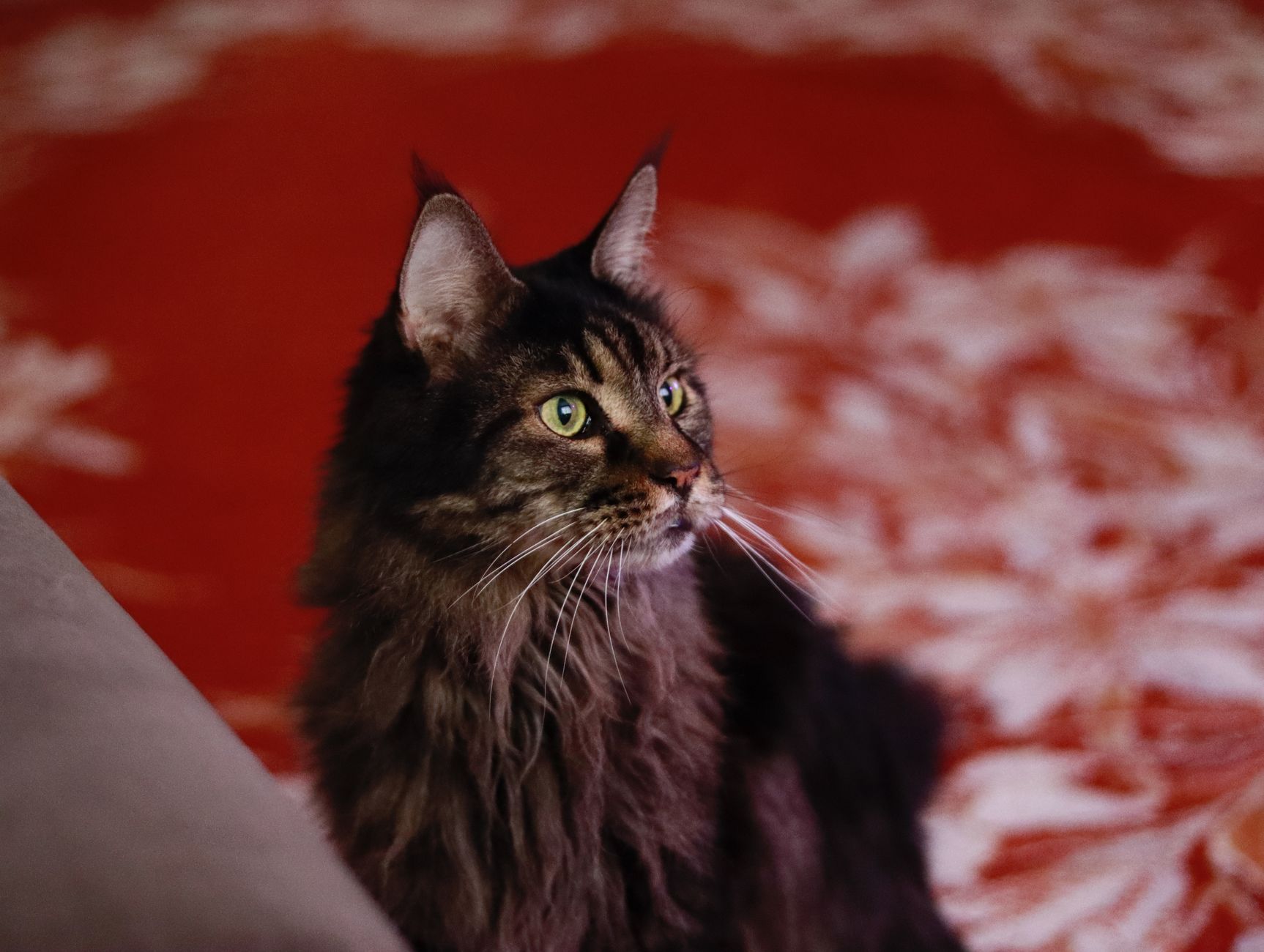
Maine Coon cats are famous for their impressive size, thick coats, and gentle personalities, but their large build often leads potential owners to ask an important question: how long do Maine Coon cats live?
With proper care, many Maine Coons can live between 12 and 15 years, while some individuals may live beyond that range. Their lifespan depends on factors such as genetics, diet, preventive veterinary care, lifestyle, and how well common breed-related health risks are managed.
Although Maine Coons are generally considered a hardy breed, their size and genetic background mean owners should understand their specific needs to support a healthy life.
Average Maine Coon Lifespan Compared With Other Cats
Maine Coons often have lifespans that are similar to many other domestic cats, although individual outcomes vary widely. Some cats remain healthy into their late teens, while others may develop health issues earlier.
| Cat Type | Typical Lifespan | Main Factors Affecting Longevity |
|---|---|---|
| Maine Coon | Approximately 12–15 years | Genetics, size, nutrition, veterinary care, and lifestyle |
| Average domestic cat | Often around 12–18 years | Environment, preventive care, diet, and overall health |
| Indoor cats | Often longer than outdoor cats | Reduced exposure to accidents, disease, and environmental risks |
Why Maine Coon Cats May Have Different Health Needs
Maine Coons are one of the largest domestic cat breeds, and their size influences some aspects of their care. A larger body means owners need to pay closer attention to weight management, nutrition, and mobility as the cat ages.
Being a large breed does not automatically mean a Maine Coon will have health problems, but certain inherited conditions are more frequently discussed within the breed.
Heart Health
One condition associated with Maine Coons is hypertrophic cardiomyopathy (HCM), a form of heart disease where the heart muscle becomes abnormally thick. Genetic screening and regular veterinary monitoring can help responsible breeders reduce risks and allow earlier detection.
Joint and Mobility Concerns
Because Maine Coons carry more body weight than many smaller cats, maintaining a healthy body condition is especially important. Excess weight can place additional stress on joints and reduce mobility over time.
Dental Health
Like all cats, Maine Coons can experience dental issues. Regular dental care and veterinary checks are important because oral problems can affect comfort, eating habits, and overall health.
The Biggest Factors That Influence a Maine Coon’s Lifespan
Genetics play a role in longevity, but daily care decisions often have a major impact on how well a Maine Coon ages.
1. Nutrition and Weight Control
A balanced diet helps support muscle condition, energy levels, and overall health. Since Maine Coons are naturally large cats, owners should avoid assuming that a bigger appetite always means a cat needs unlimited food.
Maintaining a healthy weight is one of the most practical ways to reduce unnecessary strain on the body.
2. Regular Veterinary Care
Cats are skilled at hiding illness, so routine veterinary visits are important even when a Maine Coon appears healthy. Regular examinations can help identify changes before they become more difficult to manage.
Veterinary care may include wellness exams, vaccinations, parasite prevention, dental evaluations, and age-related health monitoring.
3. Indoor Living and Safety
Many Maine Coons live longer when kept indoors because they are protected from risks such as traffic accidents, fights with other animals, infectious diseases, and extreme weather.
Indoor living should still include enrichment. Maine Coons are intelligent and active cats that benefit from climbing spaces, interactive toys, and regular play.
4. Mental Stimulation and Social Interaction
Maine Coons are often known for their social nature. While personality varies between individual cats, many enjoy interaction with people and benefit from an environment that encourages exploration and engagement.
How Maine Coon Cats Change as They Age
Maine Coons mature more slowly than many smaller cat breeds and may continue developing physically for several years. Their needs also change as they move through different life stages.
- Young Maine Coons: Need appropriate nutrition, socialization, and safe opportunities for activity.
- Adult Maine Coons: Benefit from weight management, exercise, and routine health monitoring.
- Senior Maine Coons: May require adjustments in diet, home setup, and veterinary care as mobility or health needs change.
Signs Your Maine Coon May Need Extra Attention
Changes in behavior are often one of the first indicators that a cat’s health may be changing. Owners should pay attention to signs such as:
- Reduced appetite or sudden weight changes
- Less interest in playing or moving around
- Difficulty jumping or climbing
- Changes in grooming habits
- Changes in drinking or litter box behavior
- Unusual tiredness or hiding
Early attention to these changes can improve comfort and help address problems sooner.
Can Maine Coons Live Longer Than 15 Years?
Yes, some Maine Coons live beyond the average lifespan range, especially when they receive consistent care and avoid serious health problems. However, no breed guarantee exists, and each cat’s lifespan is influenced by factors that cannot always be controlled.
The goal should not only be extending a cat’s years but also maintaining quality of life through good nutrition, preventive care, and a safe environment.
Helping a Maine Coon Reach Its Full Lifespan Potential
A Maine Coon’s long-term health depends on many small decisions made throughout its life. Choosing responsible breeding practices, providing appropriate food, maintaining a healthy weight, and scheduling regular veterinary care all contribute to better outcomes.
These gentle giants require commitment, but with the right care, a Maine Coon can remain a healthy and valued companion for many years.