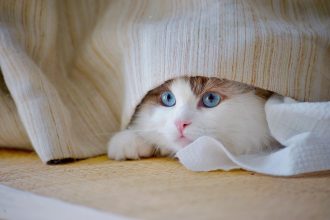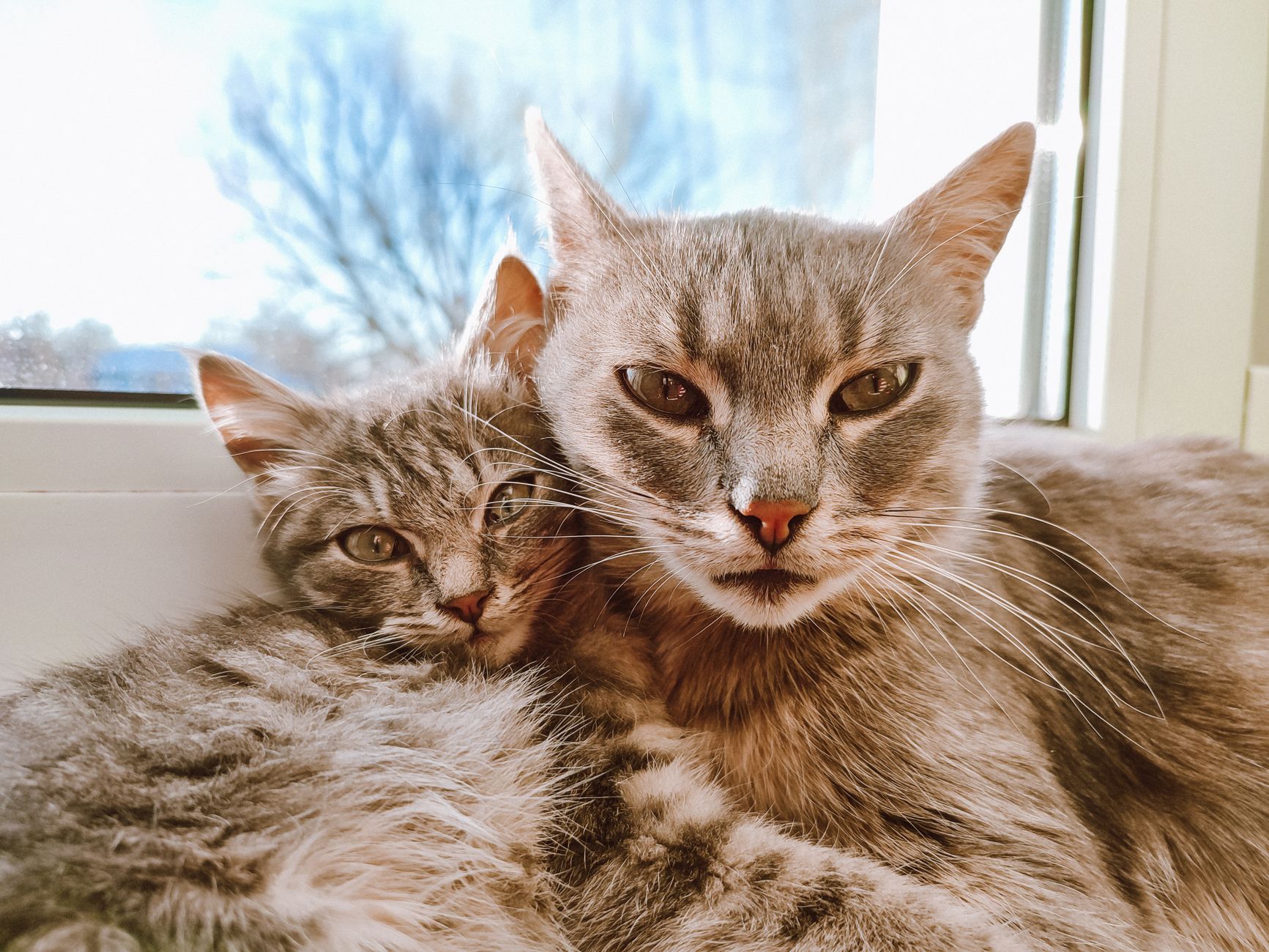
You are allergic to other cats’ fur because cat allergies are caused by proteins found in saliva, skin, and dander, not the fur itself. Different cats produce different amounts and types of these allergenic proteins, which explains why you may react to some cats but not others.
Are People Actually Allergic to Cat Fur?
No, people are not truly allergic to cat fur. Fur only acts as a carrier for allergenic proteins.
What Fur Really Does
- Collects dried saliva
- Holds skin flakes (dander)
- Spreads allergens through the environment
What Causes Cat Allergies?
Cat allergies are caused by specific proteins produced by cats.
Main Cat Allergens
- Fel d 1 (primary allergen)
- Fel d 4 (saliva protein)
- Fel d 2 (serum albumin)
What Is Fel d 1?
Fel d 1 is the most common cat allergen. It is responsible for most allergic reactions.
Where Fel d 1 Comes From
- Salivary glands
- Sebaceous (skin oil) glands
- Anal glands
How Fel d 1 Ends Up on Cat Fur
Cats spread allergens while grooming.
Allergen Distribution Process
- Cat licks its fur
- Saliva dries on hair
- Proteins become airborne
Why You React to Some Cats but Not Others
Not all cats produce the same amount of allergens.
Reasons Allergen Levels Differ
- Genetics
- Sex and hormonal status
- Grooming habits
Does Cat Breed Affect Allergies?
Breed influences allergen production, but no cat is completely hypoallergenic.
Breeds Often Producing Fewer Allergens
- Siberian
- Balinese
- Russian Blue
Why You Might Be Allergic to Other Cats but Not Your Own
Repeated exposure can reduce sensitivity.
Possible Explanations
- Immune system adaptation
- Lower allergen production by your cat
- Controlled home environment
Immune System Desensitization Explained
Long-term exposure can blunt allergic responses.
How Desensitization Happens
- Gradual immune tolerance
- Reduced histamine release
- Milder symptom response
Why Visiting Other Homes Triggers Allergies
Environmental allergen load is often higher.
Contributing Factors
- Poor ventilation
- Carpeted surfaces
- Multiple cats
How Cat Allergens Travel Through the Air
Cat allergens are lightweight and airborne.
Airborne Properties
- Microscopic size
- Remain suspended for hours
- Attach to clothing
Why Symptoms Appear Quickly
Cat allergens trigger rapid immune responses.
Immediate Allergy Symptoms
- Sneezing
- Itchy eyes
- Runny nose
Delayed Allergic Reactions
Some reactions appear hours later.
Delayed Symptoms
- Congestion
- Fatigue
- Coughing
Why Some Cats Trigger Severe Reactions
High allergen producers cause stronger reactions.
High-Risk Factors
- Unneutered males
- Heavy groomers
- Indoor-only cats with dense coats
Does Fur Length Matter?
Fur length does not determine allergen levels.
Key Clarifications
- Short hair still carries allergens
- Long hair spreads allergens further
- Skin proteins are the source
Why Kittens May Trigger Fewer Allergies
Kittens produce lower allergen levels.
Kitten Allergen Factors
- Immature sebaceous glands
- Less grooming
- Lower Fel d 1 output
Why Allergies Can Worsen Over Time
Repeated exposure can increase sensitivity.
Worsening Factors
- Chronic inflammation
- High allergen environments
- Underlying asthma
How Cat Allergies Are Diagnosed
Diagnosis involves allergy testing.
Diagnostic Methods
- Skin prick testing
- Blood IgE testing
- Symptom history analysis
How to Reduce Reactions to Other Cats
Exposure reduction helps control symptoms.
Practical Strategies
- Wash hands after contact
- Avoid touching face
- Change clothes after visits
Environmental Controls
Home environment influences allergen levels.
Effective Controls
- HEPA air purifiers
- Frequent vacuuming
- Hard flooring
Medical Treatments for Cat Allergies
Medication helps manage symptoms.
Common Treatments
- Antihistamines
- Nasal corticosteroids
- Allergy eye drops
Allergy Shots and Immunotherapy
Immunotherapy treats the root cause.
How Immunotherapy Works
- Gradual allergen exposure
- Immune tolerance development
- Long-term symptom reduction
Can You Become Allergic Later in Life?
Yes, allergies can develop at any age.
Why Adult-Onset Allergies Occur
- Immune system changes
- Hormonal shifts
- Environmental exposure
Are Cat Allergies Dangerous?
Most are mild, but some can be serious.
Serious Complications
- Asthma attacks
- Chronic sinus infections
- Breathing difficulties
Myths About Cat Fur Allergies
Misunderstandings are common.
Common Myths
- Hairless cats cause no allergies
- Bathing cats eliminates allergens
- Short hair equals hypoallergenic
Living With Cat Allergies
Many people manage allergies successfully.
Long-Term Management
- Consistent cleaning routines
- Medical support
- Environmental planning
Final Takeaways
You are allergic to other cats’ “fur” because of proteins in saliva and skin, not the hair itself. Different cats produce different allergen levels, which explains why reactions vary. Understanding allergen sources allows better prevention, treatment, and long-term allergy management.