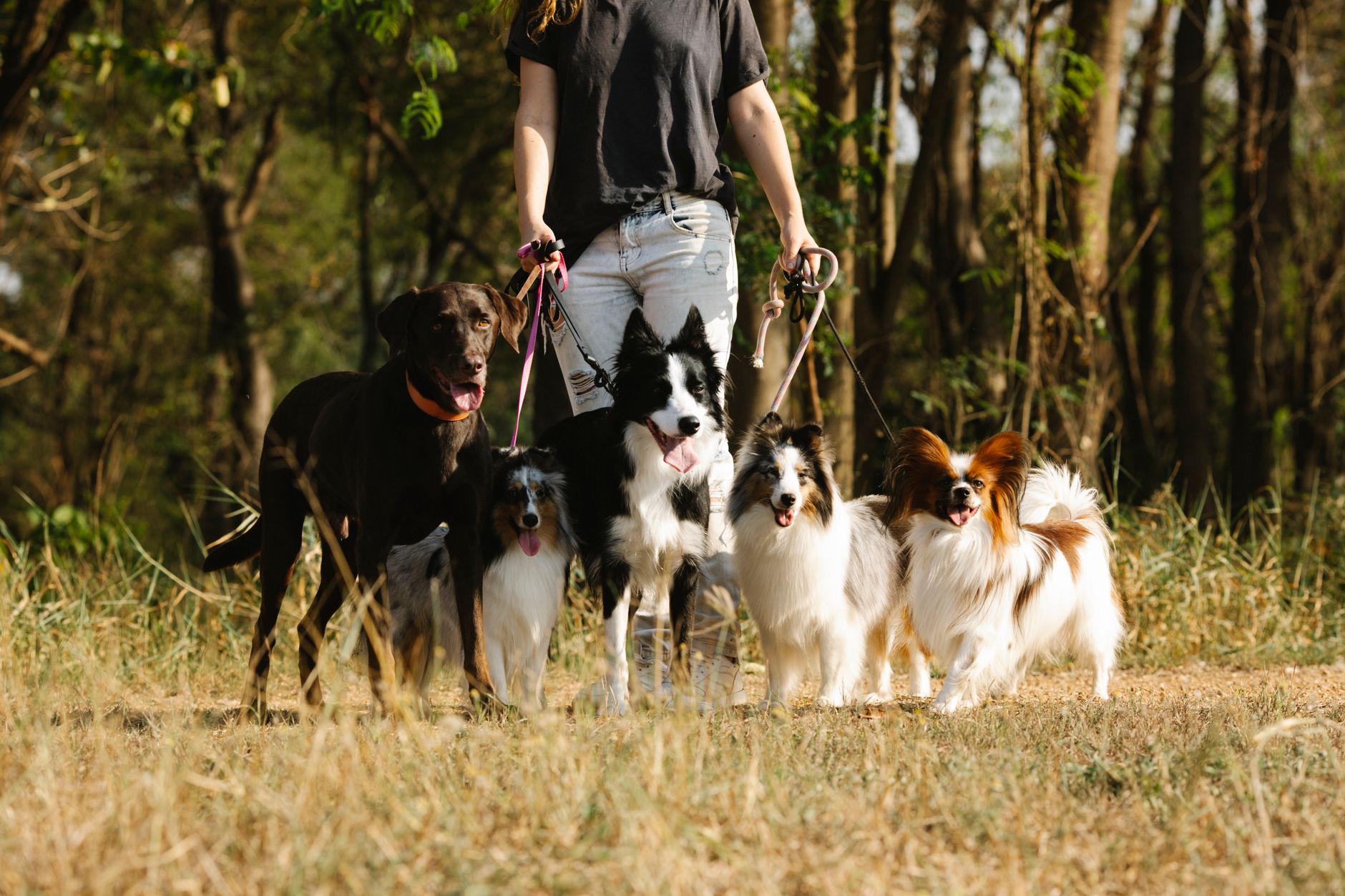
Dogs are one of the most diverse domesticated animals on Earth. From tiny companion breeds that can fit comfortably in a home environment to large working dogs developed for guarding, hunting, or rescue tasks, the variety of dogs reflects thousands of years of selective breeding and human partnership.
The exact number of dog breeds depends on which organization is defining them. Different kennel clubs and canine registries recognize different breeds, meaning there is no single universally accepted total. However, hundreds of officially recognized dog breeds exist worldwide, each with unique physical traits, behaviors, and historical purposes.
Why There Is No Single Number of Dog Breeds
Counting dog breeds is more complicated than simply making a list. Breed recognition standards vary between organizations. Some groups may officially recognize a breed that another registry does not yet accept, while others may classify certain dogs differently.
Recognition usually depends on factors such as documented ancestry, consistent physical characteristics, predictable temperament, and an established breeding history. New breeds may also emerge when breeders develop a stable population with specific traits.
| Classification | Examples of Dog Types | Main Purpose |
|---|---|---|
| Working dogs | Guardians, rescue dogs, service dogs | Tasks requiring strength, intelligence, or reliability |
| Sporting dogs | Retrievers, pointers, hunting breeds | Assisting with hunting and outdoor activities |
| Herding dogs | Shepherds and cattle dogs | Managing and controlling livestock |
| Companion dogs | Small household breeds | Providing companionship and social interaction |
| Terriers and hounds | Tracking and hunting breeds | Following scents or controlling pests |
How Dogs Developed So Many Different Breeds
Domestic dogs originated from ancient wolf populations, but humans gradually influenced their development through selective breeding. Instead of allowing natural selection alone to determine traits, people chose dogs with specific abilities and characteristics.
Over generations, this process produced dogs specialized for different roles. Some were bred for endurance and tracking, others for guarding, herding, companionship, or physical appearance. This explains why modern dogs can differ dramatically in size, coat type, body shape, and behavior despite belonging to the same species.
Dog Breeds Are More Than Differences in Appearance
A breed’s characteristics are not only about looks. Breed history often influences energy levels, instincts, training needs, and common behaviors. A dog developed for herding may naturally try to control movement, while a hunting breed may be highly motivated by scent and exploration.
Understanding these differences is important for potential dog owners. Choosing a dog based only on appearance can lead to mismatched expectations if the dog’s natural behavior does not fit the owner’s lifestyle.
Major Dog Breed Groups Around the World
Working and Protection Breeds
Working breeds were developed to perform demanding tasks such as guarding property, pulling equipment, assisting people with disabilities, or participating in rescue operations. They often require structured training and regular activity.
Herding Breeds
Herding dogs were selected for their ability to manage livestock. Their intelligence and responsiveness can make them highly trainable, but they may also require mental stimulation to prevent boredom.
Sporting and Hunting Breeds
Sporting dogs were developed to support hunters through skills such as retrieving, pointing, and tracking. Many retain high energy levels and enjoy activities involving movement and problem-solving.
Toy and Companion Breeds
Companion breeds were primarily developed for human interaction. Their smaller size often makes them suitable for indoor living, although they still require appropriate exercise, training, and socialization.
Are Mixed-Breed Dogs Part of Dog Diversity?
Yes. Mixed-breed dogs represent another important part of canine diversity. Unlike purebred dogs with documented ancestry, mixed breeds have genetic backgrounds from multiple breeds or unknown lineages.
Mixed-breed dogs can display a wide range of physical traits and personalities. Their characteristics depend on their individual genetics, environment, training, and experiences rather than a defined breed standard.
Does the Number of Breeds Matter When Choosing a Dog?
The total number of recognized dog breeds is less important than understanding what a particular dog needs. Factors such as activity level, living space, grooming requirements, temperament, and training commitment are usually more important considerations.
- Active households may prefer dogs that enjoy exercise and outdoor activities.
- First-time owners may benefit from breeds known for manageable training needs.
- Families with children should consider temperament and socialization requirements.
- Apartment residents should consider size, energy level, and barking tendencies.
The Diversity of Dogs Continues to Change
Dog breeds continue to evolve as breeding practices, recognition standards, and human needs change. While hundreds of breeds are currently recognized around the world, the history of dogs shows that their diversity is not fixed.
Ultimately, the remarkable variety of dogs comes from a long relationship between humans and canines. Each breed represents a different combination of history, purpose, and traits that developed through generations of cooperation.