Keeping a dog healthy involves much more than providing food and occasional exercise. Long-term canine health depends on a combination of preventive care, proper nutrition, mental stimulation, hygiene, and understanding changes in your dog’s behavior.
A healthy dog is not defined only by appearance. Energy levels, mobility, dental condition, emotional well-being, and regular veterinary care all play important roles in maintaining quality of life from puppyhood through old age.
Build a Balanced Nutrition Routine
Nutrition is one of the foundations of canine health. Dogs require diets that provide appropriate amounts of protein, fats, carbohydrates, vitamins, minerals, and water. The right balance depends on factors such as age, size, activity level, and existing health conditions.
Feeding habits also matter. Overfeeding can contribute to obesity, while poor-quality or inappropriate foods may create nutritional problems. Portion control and selecting food suitable for your dog’s specific needs are important parts of responsible care.
- Choose food appropriate for your dog’s life stage and size.
- Maintain consistent feeding schedules.
- Monitor weight changes regularly.
- Provide clean drinking water at all times.
- Avoid giving foods that are unsafe for dogs.
Regular Veterinary Care Prevents Bigger Problems
Routine veterinary visits help detect health issues before they become serious. Dogs often hide signs of illness, so professional examinations can identify problems that may not be obvious at home.
Preventive healthcare commonly includes vaccinations, parasite control, dental assessments, and general physical examinations. The frequency of visits depends on the dog’s age, health status, and risk factors.
Exercise Keeps the Body and Mind Active
Physical activity supports healthy muscles, joints, weight management, and cardiovascular function. However, exercise needs vary significantly between dogs.
A young, energetic dog may require more activity than an older dog with reduced mobility. Exercise should match the dog’s physical ability rather than follow a one-size-fits-all approach.
Mental exercise is equally important. Dogs need opportunities to think, explore, and interact with their environment.
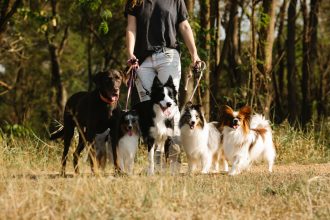
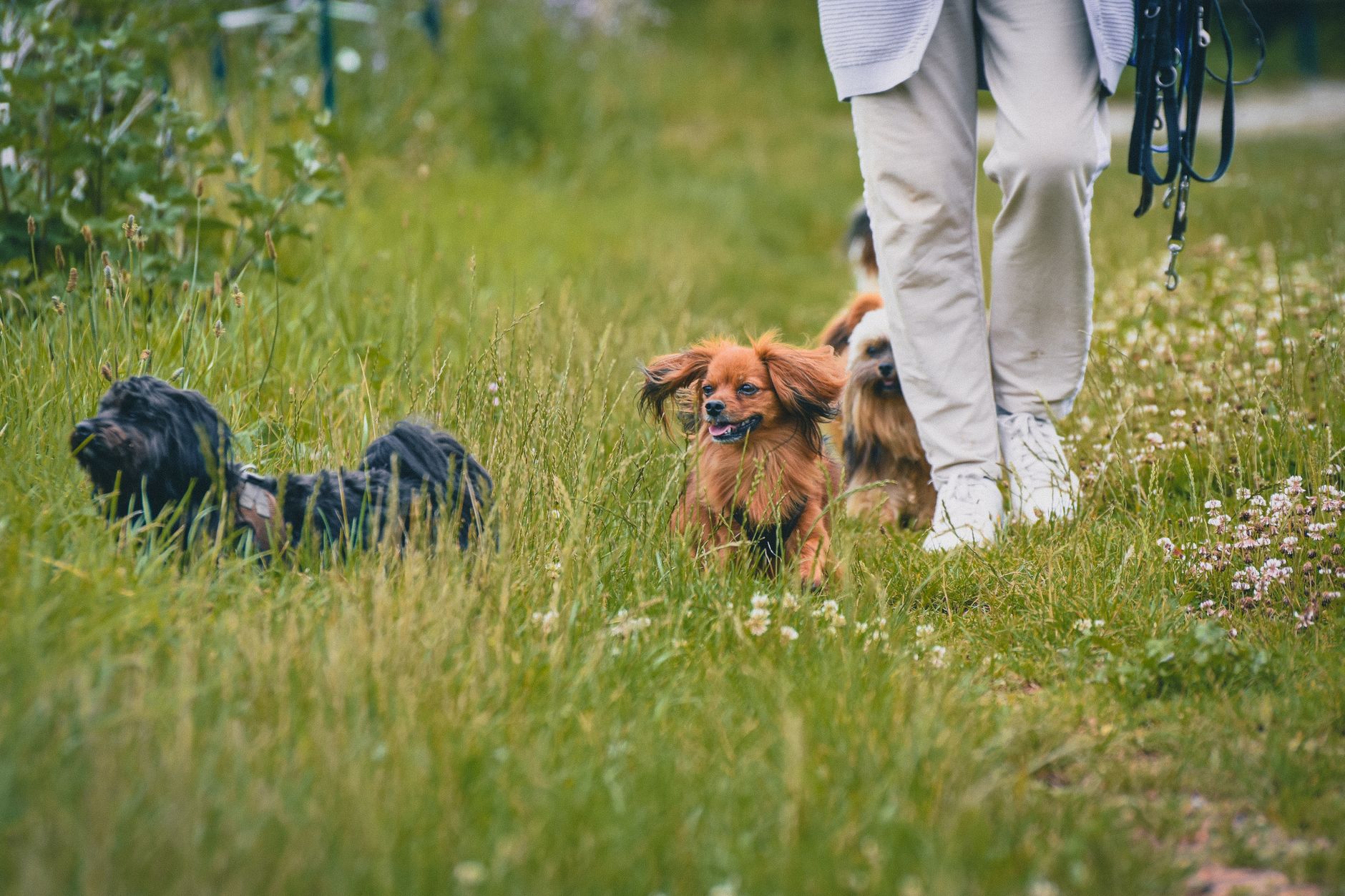
- Daily walks suitable for the dog’s condition.
- Training sessions that encourage learning.
- Interactive toys and problem-solving activities.
- Safe opportunities for exploration and social interaction.
Dental Health Is Often Overlooked
Oral health has a major impact on a dog’s overall condition. Plaque and tartar buildup can lead to gum problems, discomfort, difficulty eating, and other health complications.
Regular dental care may include brushing your dog’s teeth, providing appropriate dental products, and having professional cleanings when recommended by a veterinarian.
Create a Safe and Comfortable Living Environment
A healthy dog needs a home environment that supports both physical safety and emotional stability. Simple changes can reduce risks and improve daily comfort.
| Area | Healthy Practice |
|---|---|
| Home safety | Remove dangerous objects, toxic substances, and hazards that could harm the dog. |
| Rest | Provide a comfortable sleeping area where the dog can relax undisturbed. |
| Temperature | Protect the dog from extreme heat or cold conditions. |
| Routine | Maintain predictable schedules for feeding, exercise, and interaction. |
Pay Attention to Behavior Changes
Changes in behavior can sometimes be early indicators of health problems. A normally active dog becoming withdrawn, a sudden decrease in appetite, unusual aggression, or changes in bathroom habits may require attention.
Owners who understand their dog’s normal habits are more likely to notice small changes before they develop into larger concerns.
Maintain Grooming and Hygiene
Grooming is not only about appearance. Proper hygiene helps prevent skin problems, infections, and discomfort.
- Brush fur according to coat type and needs.
- Trim nails when they become too long.
- Check ears regularly for signs of irritation or infection.
- Bathe your dog when necessary using appropriate products.
Support Your Dog’s Emotional Well-Being
Health includes mental and emotional balance. Dogs can experience stress, anxiety, and boredom, which may affect their behavior and overall condition.
Positive interaction, training, enrichment activities, and a stable routine help dogs feel secure. Building trust through consistent care is an important part of responsible ownership.
Healthy Dogs Require Consistent Care
Maintaining a dog’s health is a long-term responsibility built through everyday choices. Good nutrition, preventive veterinary care, appropriate exercise, hygiene, and attention to behavior all contribute to a longer and healthier life.
The most effective approach is not waiting until problems appear, but creating habits that support your dog’s physical and emotional needs throughout every stage of life.