Cats slaver, also known as drooling, because of increased saliva production or difficulty swallowing. In some situations, slavering is harmless and linked to pleasure or excitement. In other cases, especially when sudden or persistent, it can indicate pain, nausea, poisoning, or serious medical conditions that require veterinary care.
What Slavering Means in Cats
Slavering is the uncontrolled flow of saliva from a cat’s mouth. Healthy cats normally swallow saliva continuously, so visible drooling means something has disrupted that process.
Common Signs of Slavering
- Wet fur around the mouth, chin, or chest
- Strings or drops of saliva falling from the mouth
- Pawing at the mouth or excessive lip licking
Normal and Harmless Reasons Cats Slaver
Not all drooling is a sign of illness. Some cats slaver in specific situations that do not require treatment.
Benign Causes of Slavering
- Pleasure and relaxation: Some cats drool when they are extremely content.
- Food anticipation: Strong food smells stimulate saliva production.
- Overgrooming: Intense grooming temporarily increases saliva.
Pleasure-Related Drooling in Cats
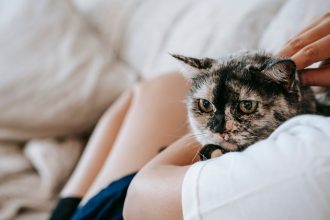
Pleasure drooling is most often seen during petting, kneading, or cuddling. This behavior is commonly learned in kittenhood when nursing stimulated relaxation and saliva flow.
How to Identify Happy Slavering
- Purring and kneading occur at the same time
- The cat appears calm and relaxed
- Drooling stops when the interaction ends
Dental Disease and Oral Pain
Dental disease is the most common medical cause of chronic slavering. Painful mouths prevent normal swallowing, allowing saliva to accumulate and spill out.
Dental Problems That Cause Slavering
- Gingivitis and periodontal disease
- Tooth resorption (very common in cats)
- Oral infections or ulcers
Nausea and Digestive Disorders
Nausea causes reflexive saliva production. Cats often slaver just before vomiting.
Medical Conditions Linked to Nausea
- Hairballs
- Chronic kidney disease
- Gastrointestinal inflammation
Toxins and Poison Exposure
Sudden intense slavering is a classic sign of poisoning. Many toxins irritate the mouth or nervous system.
Common Toxic Sources
- Household cleaners and chemicals
- Toxic plants such as lilies
- Flea treatments meant for dogs
Foreign Objects and Mouth Injuries
Objects stuck in the mouth cause continuous drooling. Cats may hide pain until slavering becomes obvious.
Possible Oral Irritants
- String, thread, or ribbon
- Plant stems or thorns
- Sharp food fragments
Stress, Fear, and Anxiety
Stress-related slavering is common during intense fear. The nervous system triggers saliva release.
Stressful Situations That Cause Slavering
- Veterinary visits
- Car travel
- Sudden environmental changes
When Slavering Is an Emergency
Certain drooling scenarios require immediate veterinary care. Delaying treatment can be life-threatening.
Emergency Warning Signs
- Sudden drooling combined with lethargy
- Drooling with vomiting, tremors, or seizures
- Known or suspected toxin exposure
What to Do If Your Cat Is Slavering
Your response should be calm and prompt. Observation and quick action can prevent complications.
Immediate Steps to Take
- Check the mouth only if your cat allows it safely
- Remove access to possible toxins
- Contact your veterinarian for guidance
What NOT to Do
Incorrect actions may worsen your cat’s condition.
Avoid These Mistakes
- Forcing the mouth open
- Giving human medications
- Waiting to see if severe drooling stops on its own
How Veterinarians Diagnose Slavering
Diagnosis focuses on identifying oral pain or systemic illness.
Common Diagnostic Tools
- Detailed oral examination
- Blood and urine testing
- X-rays or advanced imaging if needed
Treatment Options for Slavering
Treatment depends entirely on the underlying cause.
Possible Treatments
- Dental cleaning or tooth extraction
- Anti-nausea or pain medication
- Detoxification and supportive care
Final Takeaways
Cats slaver for many reasons, ranging from happiness to serious illness. Occasional drooling during relaxation is normal, but persistent, sudden, or excessive slavering should always be treated as a warning sign and evaluated by a veterinarian.