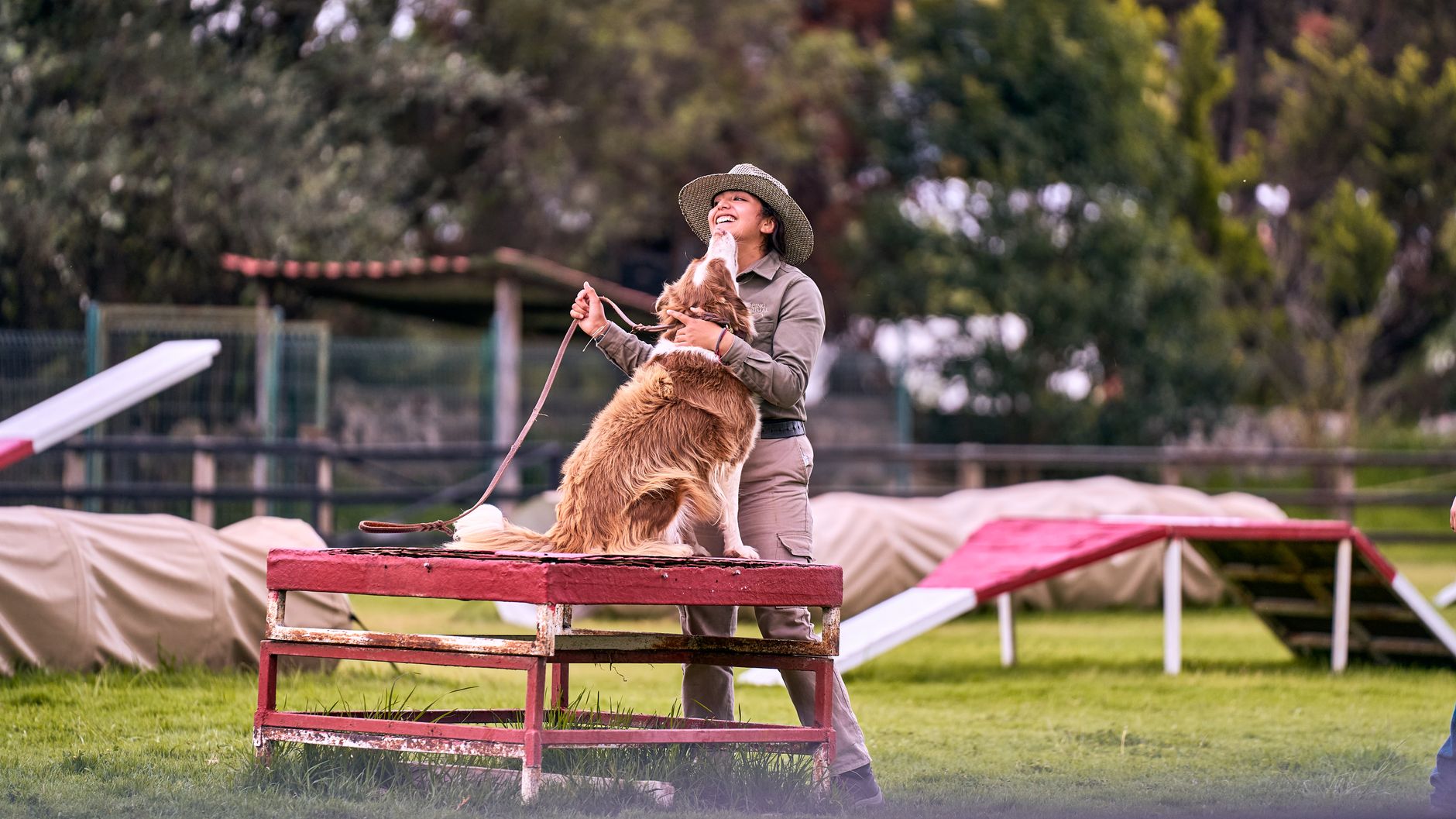
Barking is one of the most natural ways dogs communicate. It can signal excitement, fear, boredom, alertness, or a desire for attention. The goal of training is not to eliminate barking completely, because vocal communication is part of normal dog behavior, but to teach a dog when barking is appropriate and when it should settle down.
Successful bark training depends on understanding why the dog is making noise in the first place. A dog barking at strangers, barking when left alone, and barking because it wants playtime are different problems that require different approaches.
Start by Finding the Reason Behind the Barking
Before correcting barking, owners need to identify the trigger. Dogs rarely bark without a reason, and responding incorrectly can accidentally reinforce the behavior.
| Type of Barking | Possible Cause | Training Focus |
|---|---|---|
| Alert barking | Responding to people, animals, sounds, or movement | Teaching the dog to acknowledge the trigger and then relax |
| Attention barking | Seeking interaction, food, or play | Avoid rewarding barking and reinforce quiet behavior |
| Boredom barking | Lack of exercise or mental stimulation | Providing appropriate activities and enrichment |
| Fear-based barking | Anxiety or discomfort around certain situations | Building confidence through gradual exposure |
Teach a Reliable Quiet Command
One of the most useful skills for managing barking is teaching a verbal cue such as “quiet.” This works best when the dog first learns that calm behavior receives a reward.
- Allow the dog to bark briefly in a controlled situation.
- Wait for a natural pause in barking.
- Say a consistent command such as “quiet.”
- Reward the dog immediately when it remains silent.
- Repeat the exercise regularly in short sessions.
The important part is timing. If a reward is given while the dog is still barking, the dog may learn that barking produces attention or treats.
Avoid Accidentally Encouraging Excessive Barking
Many owners unintentionally strengthen barking by reacting in ways the dog finds rewarding. For example, shouting at a barking dog may still provide attention, which can encourage the behavior to continue.
Instead, focus on rewarding the behavior you want to see. When the dog is calm and quiet, provide praise, attention, or a suitable reward. Over time, the dog learns that being quiet leads to positive outcomes.
Reduce Triggers That Cause Unnecessary Barking
Managing the environment can make training easier. If a dog repeatedly practices barking at the same trigger, the habit can become stronger.
- Close curtains or adjust visibility if the dog barks at people passing by.
- Create distance from stressful situations during training.
- Provide a quiet resting area where the dog can relax.
- Use background noise to reduce reactions to outside sounds.
Environmental changes do not replace training, but they reduce opportunities for unwanted habits to repeat.
Provide Enough Physical and Mental Activity
Some barking is linked to excess energy. Dogs that do not receive enough exercise, play, or mental stimulation may create their own activities, including excessive vocalization.
The appropriate amount of activity depends on the dog’s breed, age, health condition, and personality. Activities such as walks, training exercises, puzzle toys, and scent games can help provide healthy outlets.
Do Not Use Punishment as the Main Solution
Punishment-based methods may stop barking temporarily but do not always address the reason behind the behavior. In some cases, punishment can increase fear or anxiety, especially when barking is caused by stress.
Training approaches based on consistency, rewards, and understanding the dog’s motivation are generally more effective for building long-term behavior changes.
Handling Barking When the Dog Is Alone
Some dogs bark because they struggle with being separated from their owners. This type of barking may be connected to separation anxiety rather than a simple training issue.
Helpful steps may include gradually increasing the amount of time the dog spends alone, creating positive associations with departures, and avoiding dramatic greetings or goodbyes. Severe separation-related problems may require guidance from a veterinarian or qualified behavior professional.
Consistency Is More Important Than Quick Fixes
Dogs learn through repetition. A training method that works only occasionally can confuse the dog and slow progress. Everyone in the household should respond to barking in the same way so the dog receives a clear message.
Reducing excessive barking is not about making a dog silent. It is about teaching communication skills, improving impulse control, and helping the dog respond more appropriately to everyday situations.