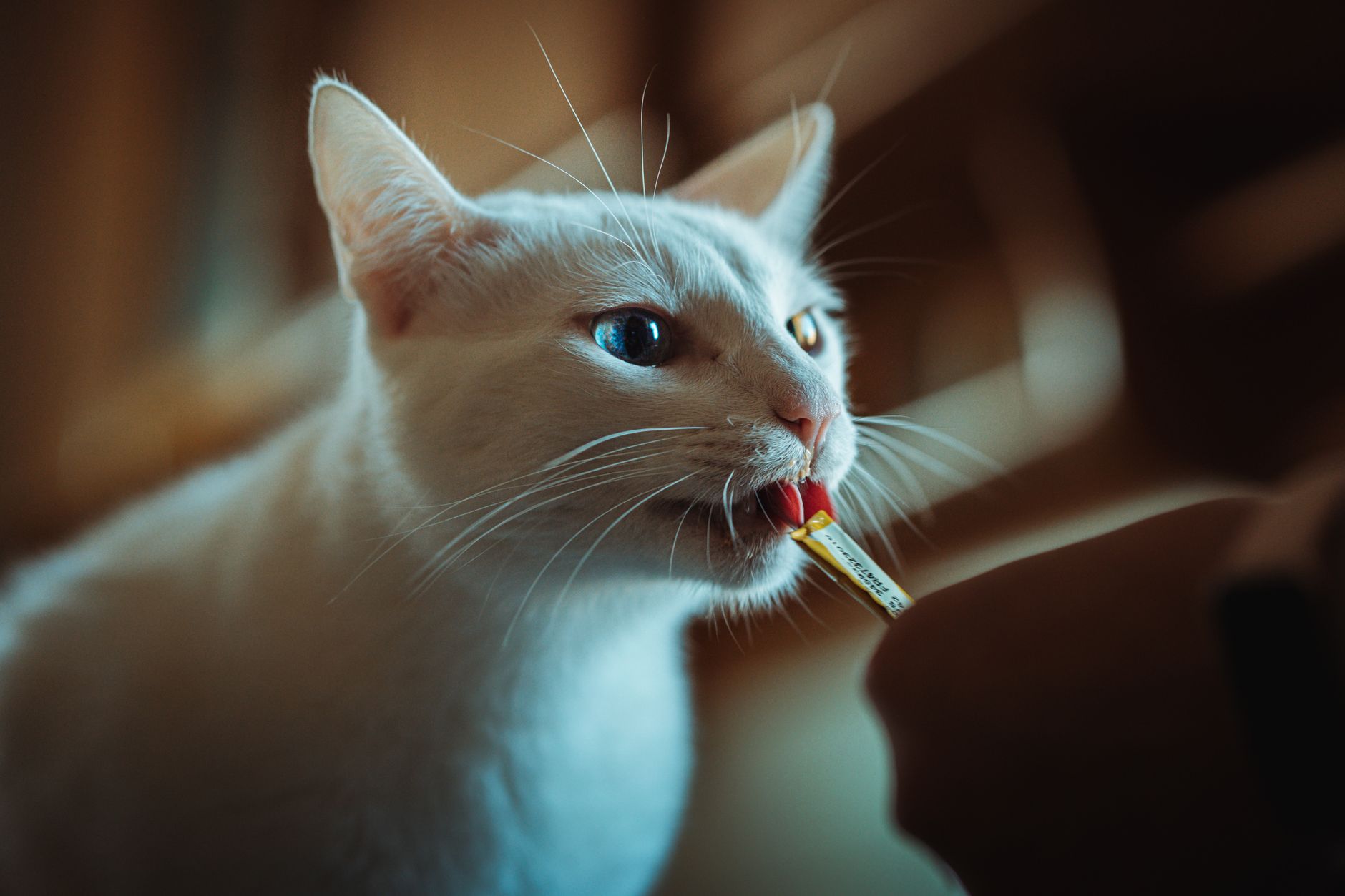
A cat can survive for about 3 to 7 days without eating, but serious health damage can begin after just 24–48 hours. Unlike humans, cats are highly sensitive to food deprivation, and even short periods without food can become dangerous.
Short Answer: Safe vs Dangerous Timeframes
Cats should never go more than 24 hours without eating.
General Time Guidelines
- 0–24 hours: Usually safe but concerning
- 24–48 hours: High health risk begins
- 3–7 days: Life-threatening without treatment
Why Cats Cannot Go Long Without Food
Cats have unique metabolisms that require constant nutrient intake.
Metabolic Reasons
- Cats rely heavily on protein metabolism
- They cannot efficiently use body fat for energy
- Liver function is easily overwhelmed
What Happens Inside a Cat’s Body When It Stops Eating
Food deprivation triggers dangerous internal changes.
Physiological Changes
- Fat mobilization floods the liver
- Blood sugar levels drop
- Muscle tissue breaks down
What Is Hepatic Lipidosis?
Hepatic lipidosis is fatty liver disease caused by not eating.
Why It Is So Dangerous
- Fat accumulates rapidly in the liver
- Liver function shuts down
- Condition can be fatal without intervention
How Quickly Hepatic Lipidosis Can Develop
This condition can begin within 2–3 days of not eating.
High-Risk Cats
- Overweight cats
- Senior cats
- Cats with chronic illness
Can Cats Go Longer Without Food Than Water?
No, water is even more critical than food.
Water vs Food Survival
- No water: 1–3 days maximum
- No food: up to 7 days in rare cases
- No water and food: rapid organ failure
How Long Can a Cat Go Without Water?
Cats can only survive about 48–72 hours without water.
Dehydration Risks
- Kidney failure
- Electrolyte imbalance
- Shock
How Age Affects How Long a Cat Can Go Without Eating
Age significantly changes tolerance levels.
Age-Based Differences
- Kittens: 12–24 hours maximum
- Adult cats: 24–48 hours
- Senior cats: Often less than 24 hours
How Long Can Kittens Go Without Eating?
Kittens are extremely vulnerable to food deprivation.
Kitten Risks
- Rapid hypoglycemia
- Weak immune response
- Life-threatening collapse
How Long Can Senior Cats Go Without Eating?
Senior cats often tolerate fasting poorly.
Senior Cat Concerns
- Underlying kidney disease
- Dental pain
- Reduced metabolic reserves
Common Reasons Cats Stop Eating
Loss of appetite is always a warning sign.
Most Common Causes
- Dental disease or mouth pain
- Stress or environmental change
- Illness or infection
Medical Reasons Cats Stop Eating
Health issues are often responsible.
Medical Causes
- Kidney disease
- Gastrointestinal disorders
- Respiratory infections
Behavioral Reasons Cats Stop Eating
Stress can suppress appetite.
Behavioral Triggers
- New home or new pet
- Loud noises or visitors
- Changes in routine
Food-Related Reasons for Appetite Loss
Cats are sensitive to food changes.
Food Issues
- Sudden diet change
- Spoiled food
- Texture or smell aversion
Signs a Cat Has Not Eaten Enough
Physical and behavioral signs appear quickly.
Warning Signs
- Lethargy
- Weight loss
- Hiding behavior
Emergency Signs That Require Immediate Vet Care
Some symptoms indicate a medical emergency.
Emergency Symptoms
- Not eating for 24 hours
- Vomiting or diarrhea
- Yellowing of eyes or gums
How Long Is Too Long for a Cat Not to Eat?
More than 24 hours is too long for any cat.
Critical Time Thresholds
- 24 hours: Vet call recommended
- 48 hours: Vet visit required
- 72 hours: Medical emergency
Can Cats Survive Without Eating If They Are Overweight?
No, overweight cats are at higher risk.
Why Overweight Cats Are Vulnerable
- Rapid fat breakdown
- Higher risk of fatty liver disease
- Poor liver tolerance
How Illness Shortens Survival Without Food
Ill cats decline faster without nutrition.
Compounding Factors
- Dehydration
- Inflammation
- Organ stress
What to Do If Your Cat Stops Eating
Prompt action can save your cat’s life.
Immediate Steps
- Monitor food and water intake
- Offer fresh, smelly wet food
- Check for mouth pain or injuries
How to Encourage a Cat to Eat
Simple strategies may stimulate appetite.
Appetite Stimulation Methods
- Warm food slightly
- Offer favorite flavors
- Hand-feed small portions
Foods That May Help Tempt a Cat
Short-term options can encourage eating.
Temporary Food Options
- Plain cooked chicken
- Tuna in water (small amounts)
- Prescription recovery diets
What Not to Do If a Cat Is Not Eating
Some actions worsen the problem.
Avoid These Mistakes
- Force-feeding without vet advice
- Waiting multiple days
- Ignoring subtle symptoms
Veterinary Treatment for Cats Not Eating
Medical care may be required.
Common Vet Interventions
- Fluids for dehydration
- Appetite stimulants
- Assisted feeding
Feeding Tubes and Assisted Nutrition
Feeding tubes can be life-saving.
Tube Feeding Benefits
- Prevents liver damage
- Ensures adequate calories
- Allows healing time
How Long Can a Cat Recover After Not Eating?
Recovery depends on duration and cause.
Recovery Factors
- Length of appetite loss
- Underlying health condition
- Speed of treatment
Preventing Appetite Loss in Cats
Prevention focuses on consistency and health monitoring.
Prevention Strategies
- Regular vet checkups
- Gradual food changes
- Stress reduction
Common Myths About Cats Not Eating
Misunderstandings can be dangerous.
Myths Explained
- Cats can fast like dogs
- Skipping meals is normal
- They will eat when hungry
When to Call the Vet Immediately
Err on the side of caution.
Immediate Vet Contact If
- No food intake for 24 hours
- Cat is vomiting or lethargic
- Yellowing of skin or eyes appears
Final Takeaways
Cats should never go more than 24 hours without eating. While survival without food may extend several days, serious and potentially fatal complications such as hepatic lipidosis can develop quickly. Any loss of appetite in cats should be treated as a medical concern and addressed promptly.