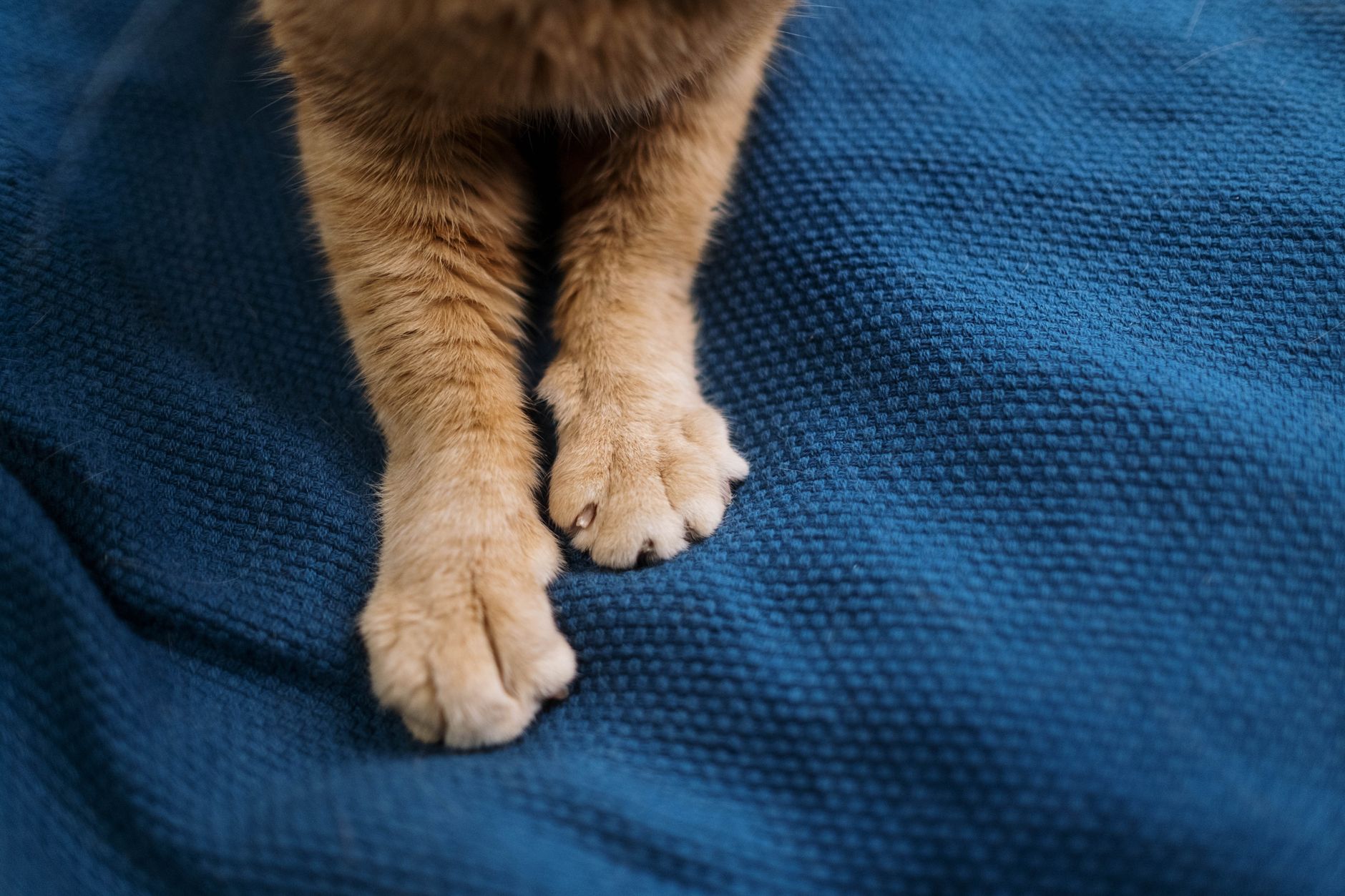
Cats knead blankets because the behavior is an instinct carried over from kittenhood. Kneading provides comfort, signals emotional security, and may also mark territory through scent glands in the paws.
What Kneading Means in Cat Behavior
Kneading is a rhythmic pressing motion made with alternating front paws. Many owners refer to it as “making biscuits.”
This behavior is deeply ingrained and usually appears when a cat feels relaxed, safe, or content.
Why Cats Choose Blankets for Kneading
Blankets provide soft resistance, warmth, and familiar scents. These qualities closely resemble the physical and emotional environment of early kittenhood.
As a result, blankets often trigger kneading more than other surfaces.
Why Cats Knead Blankets
1. Kitten Nursing Instincts
Kittens knead their mother’s belly to stimulate milk flow. Adult cats retain this instinct even after weaning.
The behavior reflects emotional memory, not hunger.
2. Comfort and Relaxation
Kneading releases endorphins that help cats relax.
Many cats knead just before sleeping or while being petted.
3. Emotional Security and Bonding
Cats often knead blankets near trusted people.
This indicates a sense of safety and attachment.
4. Scent Marking and Territory
Cats have scent glands in their paw pads.
Kneading deposits their scent, marking the blanket as familiar territory.
Why Some Cats Drool or Suckle While Kneading
Drooling or sucking on blankets may accompany kneading.
This combination strongly reflects retained nursing behaviors and heightened comfort.
Is Kneading Ever a Sign of Stress?
Most kneading is positive. However, excessive or frantic kneading may occur during anxiety.
Context matters. Relaxed body posture indicates comfort rather than distress.
Breed and Personality Differences
Affectionate breeds such as Ragdolls, Siamese, and Burmese knead more frequently.
Individual temperament also influences how often the behavior appears.
Should You Let Your Cat Knead Blankets?
Yes. Kneading is healthy and emotionally beneficial.
Trimming nails or placing a thick blanket can protect furniture and skin.
When Kneading Might Be a Concern
Consult a veterinarian if kneading is sudden, compulsive, or paired with behavioral changes.
Medical causes are rare but should be ruled out.
Adult Cats vs Kittens
Kittens knead as part of normal feeding behavior.
In adults, kneading represents emotional comfort rather than developmental need.
Long-Term Behavioral Outlook
Kneading is a lifelong behavior for many cats.
It indicates emotional well-being and trust.
Veterinary Disclaimer and Next Steps
This article is for educational purposes only and does not replace professional veterinary advice.
If kneading behavior changes suddenly or seems distress-driven, consult your veterinarian.