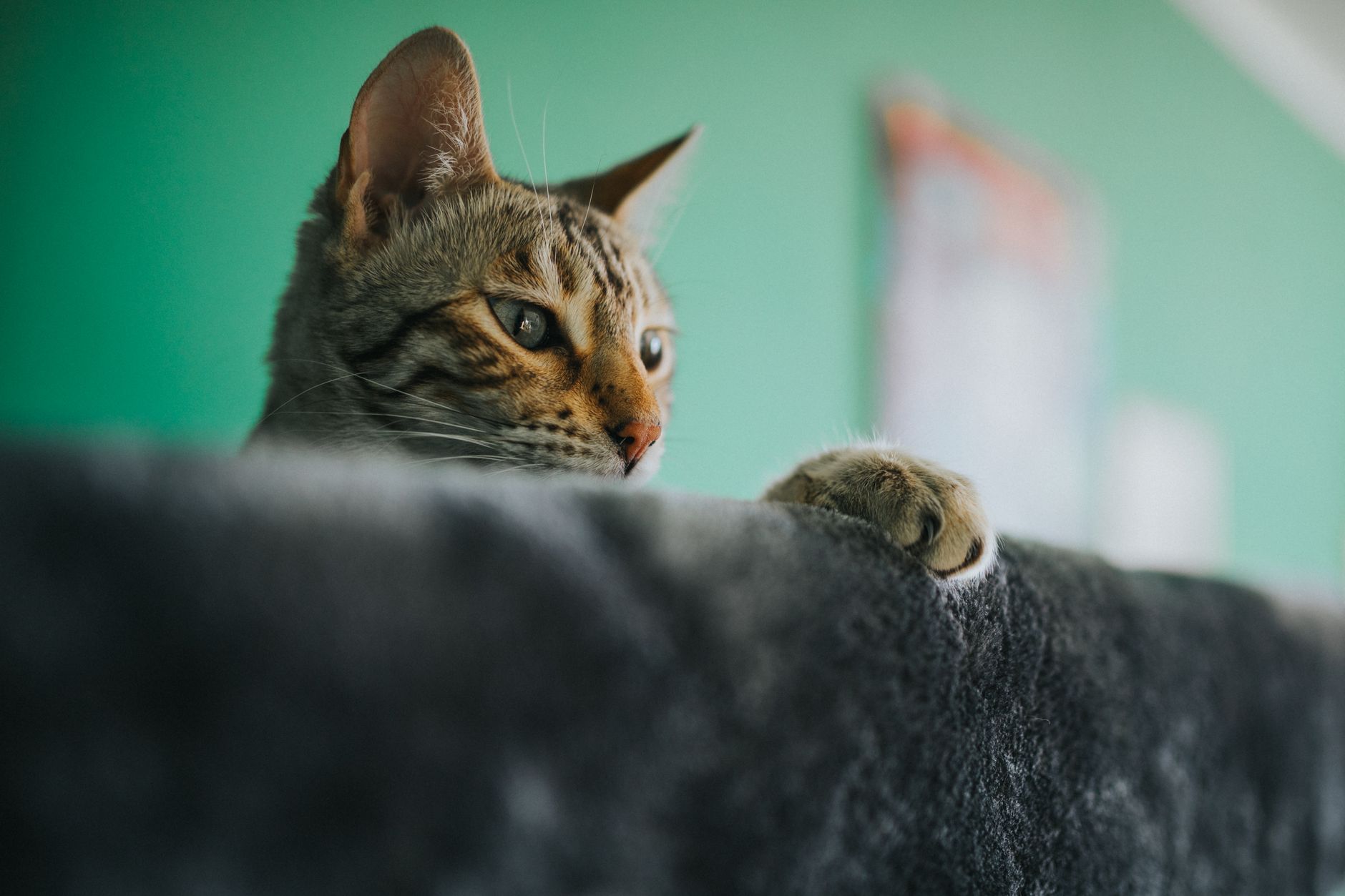
Feeling your cat’s ears and noticing they seem warmer than usual can be surprising, but warm ears do not always mean something is wrong. A cat’s ear temperature can change naturally depending on activity level, environment, blood circulation, and overall health.
However, unusually hot ears can sometimes be connected to fever, inflammation, allergies, or other medical issues. Understanding the difference between a normal temperature change and a potential warning sign can help owners decide when monitoring is enough and when a veterinary visit is needed.
Warm Cat Ears Are Often a Normal Part of Body Regulation
Cats do not maintain exactly the same temperature in every part of their body at all times. Their ears contain many small blood vessels close to the surface of the skin, allowing heat to move in and out of the body.
Because of this, a cat’s ears may feel warmer after activities such as playing, resting in sunlight, or spending time in a warm room. Thin ear tissue also makes temperature changes easier to notice compared with areas covered by thicker fur.
Possible Reasons Your Cat’s Ears Feel Hot
Several harmless and medical factors can make a cat’s ears feel warmer than expected.
| Possible Cause | What Happens | What Owners Should Observe |
|---|---|---|
| Warm environment | Heat from the surroundings increases skin temperature. | Check whether the cat has been near sunlight, heaters, or warm surfaces. |
| Recent activity | Exercise increases blood circulation and body heat. | Temperature should gradually return to normal after resting. |
| Normal circulation changes | Blood flow to the ears changes as the body regulates temperature. | Look for other symptoms before assuming illness. |
| Ear inflammation | Irritation or infection can increase local warmth. | Watch for scratching, odor, redness, or discharge. |
| Fever or illness | The entire body temperature may rise during infection or disease. | Monitor appetite, energy level, and behavior changes. |
When Hot Ears May Indicate an Ear Problem
If the warmth is limited to the ears and accompanied by other changes, the cause may be related to the ears themselves rather than normal temperature regulation.
Signs that may suggest an ear issue include:
- Frequent scratching around the ears.
- Head shaking or tilting.
- Redness or swelling inside the ear.
- Unusual smell from the ears.
- Dark buildup, fluid, or discharge.
- Sensitivity when the ears are touched.
Ear infections, parasites such as ear mites, allergies, or irritation can cause discomfort and inflammation that makes the ears feel warmer.
Could Hot Ears Mean Your Cat Has a Fever?
A cat’s ears alone cannot reliably tell whether the animal has a fever. Human perception of temperature through touch is not accurate enough to diagnose changes in body temperature.
A fever may be more likely when warm ears occur together with other signs, such as:
- Reduced appetite.
- Lethargy or unusual tiredness.
- Hiding more than usual.
- Fast breathing.
- Decreased interest in normal activities.
- Signs of pain or discomfort.
If fever is suspected, a veterinarian can perform an accurate temperature check and determine the underlying cause.
Hot Ears and Other Body Temperature Clues
Cat owners often compare ear temperature with other parts of the body, but this can be misleading. Ears, paws, and noses can naturally feel different from the rest of the body.
A better approach is to consider the entire picture:
- Has your cat’s behavior changed?
- Is your cat eating and drinking normally?
- Is your cat using the litter box as usual?
- Are there signs of pain, irritation, or infection?
- Has the warmth continued for an unusual amount of time?
When Should You Take a Cat With Hot Ears to the Vet?
Warm ears alone are usually not an emergency. However, veterinary advice is recommended if the temperature change appears alongside concerning symptoms or does not resolve.
Contact a veterinarian if your cat has:
- Persistent warm ears combined with low energy or illness signs.
- Ear discharge, swelling, or strong odor.
- Repeated scratching or obvious ear discomfort.
- Loss of appetite or significant behavior changes.
- Signs of pain or distress.
How to Check Your Cat’s Ear Health at Home
Regular observation can help detect problems early. Owners can gently check the outside of the ears and watch for changes without inserting objects into the ear canal.
- Compare both ears for unusual differences.
- Look for visible redness or buildup.
- Notice changes in scratching or head movement.
- Pay attention to changes in mood and daily habits.
Avoid cleaning deep inside the ears unless advised by a veterinarian, as improper cleaning can worsen irritation.
The Bigger Picture Matters More Than Ear Temperature Alone
A cat with warm ears may simply be experiencing normal circulation changes or environmental heat. The temperature of the ears becomes more meaningful when combined with other symptoms or changes in behavior.
Monitoring your cat’s overall condition, recognizing warning signs, and seeking veterinary advice when something seems unusual are the most reliable ways to protect your cat’s health.