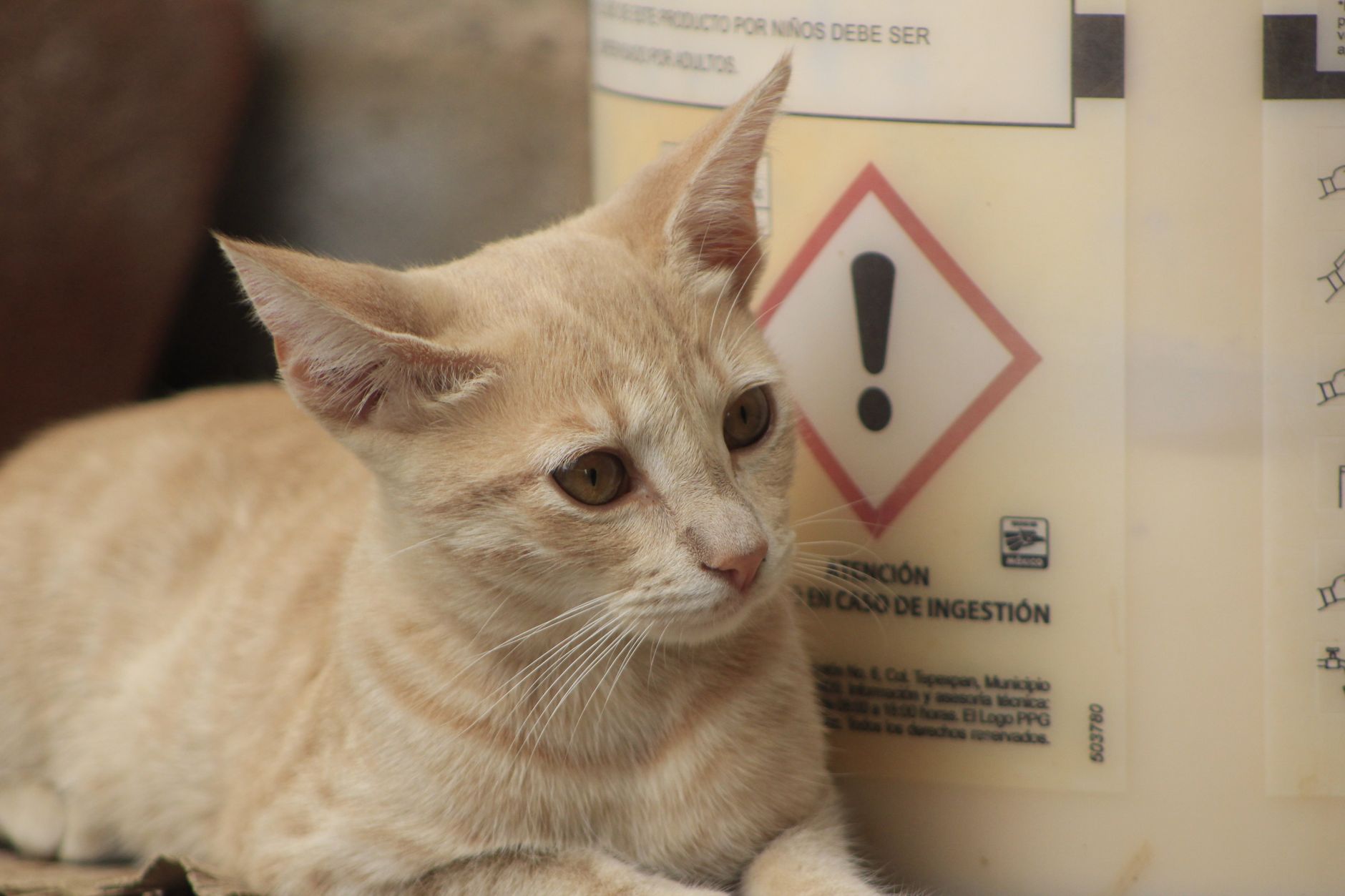
Mange is a skin condition that can make cats extremely uncomfortable, but many owners do not realise that it is caused by microscopic parasites rather than poor hygiene. These parasites affect the skin, causing irritation, itching and changes in the appearance of a cat’s coat.
Although mange is less common in cats than some other skin problems, it can still occur and may spread between animals depending on the type of mite involved. Recognising the early signs and understanding how cats become infected are important steps in preventing the condition from becoming severe.
What causes mange in cats?
Mange develops when certain types of mites infest a cat’s skin. These tiny parasites live on or inside the skin and disrupt the normal condition of the coat and skin barrier.
Different mite species can cause different forms of mange in cats. The severity of the condition depends on the type of mite, the cat’s immune response and how long the infestation continues.
Common types of mange-associated mites include:
- Notoedres cati: A mite that causes feline scabies, also known as notoedric mange.
- Demodex mites: Mites that can exist naturally on some animals but may cause disease when their population increases.
Because different mites create different symptoms, veterinary examination is often needed to determine the exact cause.
How do cats get mange?
The most common way cats develop mange is through contact with an infected animal. Mites can transfer when cats interact closely, especially through activities such as grooming, sleeping together or fighting.
Cats may become exposed through:
- Direct contact with an infected cat
- Contact with other animals carrying mites
- Shared bedding, blankets or resting areas
- Living in environments where infected animals have been present
Outdoor cats generally face a higher risk because they encounter more animals and environments where parasites may exist. However, indoor cats are not completely protected, especially in households with multiple pets.
Why mange spreads between cats
Mites are adapted to living on animal hosts, and some species can move from one animal to another through close contact.
This means a cat with mange may unintentionally expose other pets in the same household. If one animal is diagnosed, other animals may also need to be checked depending on the type of mite involved.
Simply treating visible skin problems without addressing possible exposure sources can allow the condition to return.
Signs that a cat may have mange
The symptoms of mange are caused by irritation and damage to the skin. The appearance can vary depending on the mite involved and the severity of the infestation.
Common signs include:
- Intense itching: Cats may scratch frequently because of skin irritation.
- Hair loss: Fur may become thin or fall out in affected areas.
- Red or inflamed skin: The skin may appear irritated and uncomfortable.
- Crusts and scabs: Damaged skin can develop thickened areas or scabbing.
- Changes around the ears and face: Some forms of mange commonly affect these areas.
- Excessive grooming: Cats may lick or bite irritated skin more often.
Because these symptoms overlap with allergies, fungal infections and other skin conditions, appearance alone is not enough to confirm mange.
Different types of mange affect cats differently
Notoedric mange
Notoedric mange is caused by Notoedres cati mites. It often begins around the ears, face and neck before potentially spreading to other parts of the body.
This type of mange can cause severe itching and noticeable skin changes. Because it is highly contagious between cats, infected animals should be evaluated and treated promptly.
Demodectic mange
Demodectic mange occurs when Demodex mites multiply excessively. Some Demodex mites can naturally exist on animals without causing problems, but an imbalance may lead to skin disease.
The condition may be associated with underlying health factors that affect the immune system. A veterinarian can help determine why the mite population increased and recommend appropriate treatment.
Is mange dangerous for cats?
Mange can range from a mild skin irritation to a more serious condition if left untreated.
Possible complications include:
- Secondary bacterial infections caused by damaged skin
- Persistent discomfort and stress from itching
- Extensive hair loss
- Reduced quality of life
Cats that continuously scratch may create wounds that allow other infections to develop. Early treatment can reduce these risks and improve recovery.
How veterinarians diagnose mange
Diagnosing mange usually requires more than a visual examination. Many skin conditions can look similar, so identifying the actual cause is important.
A veterinarian may use methods such as:
- Skin scraping: Collecting samples from the skin to look for mites under a microscope.
- Physical examination: Checking the pattern of hair loss, irritation and skin damage.
- Additional testing: Used when another skin condition may be responsible.
Accurate diagnosis helps ensure that treatment targets the correct parasite or condition.
Treating mange in cats
Treatment depends on the type of mite involved and the condition of the cat’s skin.
Common approaches may include:
- Prescription anti-parasitic medication: Products designed to eliminate mites and stop the infestation.
- Skin care treatment: Supportive care may be needed if irritation or infection is present.
- Environmental cleaning: Bedding and frequently used areas may need attention to reduce reinfection risk.
Owners should avoid using unapproved treatments because some products can be unsafe for cats. Cats have different sensitivities from other animals, and certain parasite treatments intended for other species may cause serious reactions.
Can cat mange be prevented?
There is no single method that guarantees a cat will never encounter mites, but several practices can reduce the risk.
- Maintain regular veterinary care.
- Use veterinarian-recommended parasite prevention when appropriate.
- Check cats regularly for unusual skin changes.
- Clean bedding and shared pet areas.
- Monitor new pets before introducing them to other animals.
Prevention is especially important in multi-cat households, shelters and environments where many animals live closely together.
Can humans catch mange from cats?
Some mites that affect cats can temporarily affect humans, although cats are usually the primary host. People who come into contact with an infested animal may experience temporary skin irritation.
If a cat is diagnosed with mange, household members should follow veterinary guidance for managing contact and cleaning the environment.
When should a cat see a veterinarian?
A veterinary visit is recommended if a cat develops unexplained itching, hair loss or skin changes.
Professional evaluation is especially important when:
- The itching is severe or persistent.
- The skin becomes damaged or infected.
- The cat appears uncomfortable or changes behaviour.
- Multiple pets develop similar symptoms.
Skin problems can have many causes, and delaying diagnosis may allow the condition to worsen.
The importance of recognising mange early
Mange is a treatable condition, but successful management depends on identifying the cause and using the correct approach. Because several skin diseases can appear similar, guessing the cause can lead to ineffective treatment.
Understanding how cats get mange helps owners take practical steps: reduce exposure risks, monitor skin health and seek veterinary advice when unusual symptoms appear.
With proper care, most cats affected by mange can recover and return to a comfortable, healthy life.