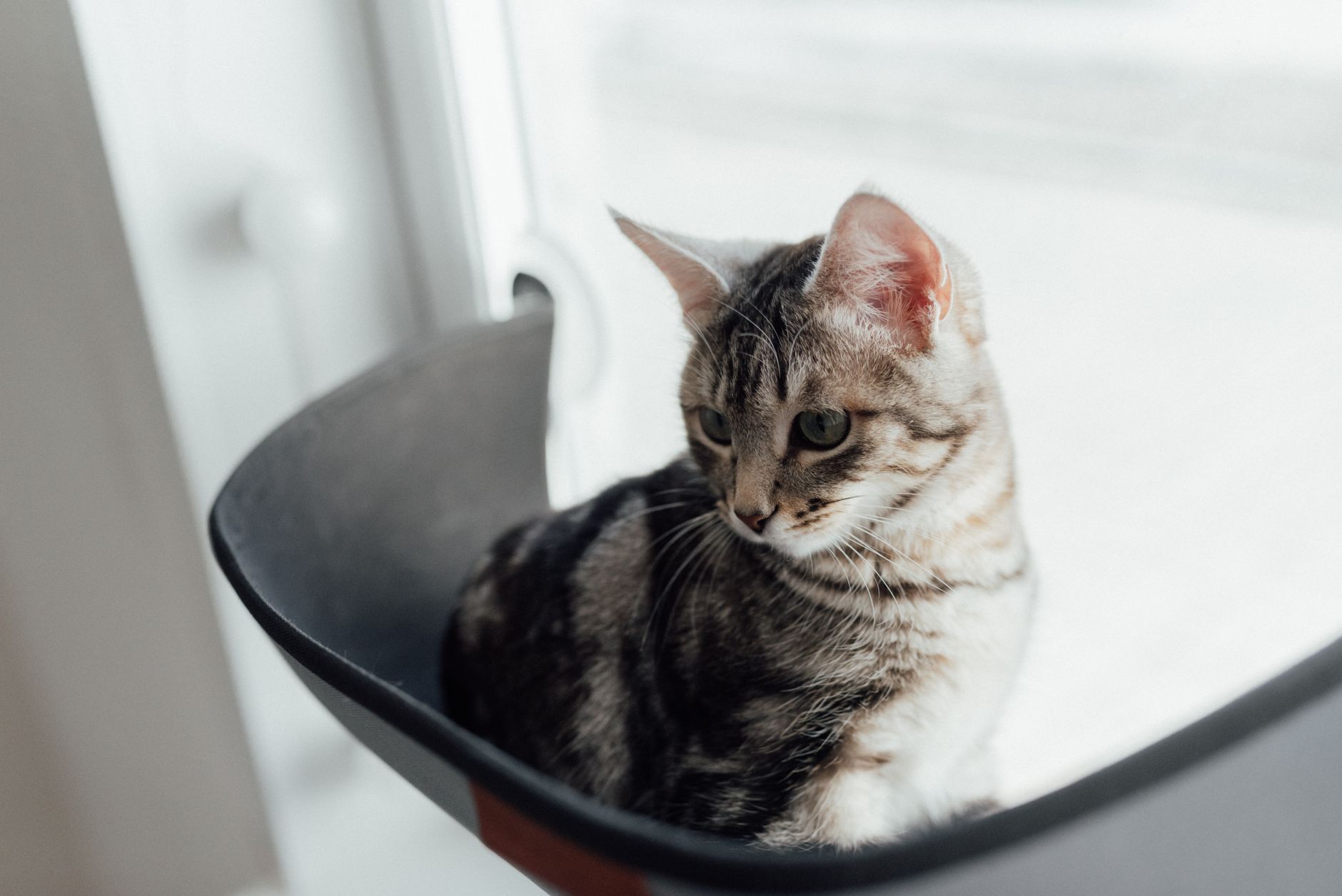
Cats are often considered independent pets, but independence does not mean they can be left without attention for unlimited periods. While many cats are comfortable spending time alone, they still depend on humans for food, clean water, health monitoring and social interaction.
The amount of time a cat can safely stay alone depends on several factors, including age, health, personality, environment and daily routine. A healthy adult cat may handle being alone better than a kitten, senior cat or animal with medical needs.
Understanding your cat’s limits helps prevent stress, health problems and unsafe situations while still allowing your pet to maintain a comfortable routine.
How long can an adult cat usually be left alone?
Most healthy adult cats can generally be left alone for part of the day, especially if they have access to fresh water, food, a clean litter box and a safe environment.
Many adult cats are comfortable being alone while their owners are away at work or other daily activities. However, leaving a cat alone for extended periods requires more preparation.
| Cat type | Typical alone-time considerations |
|---|---|
| Healthy adult cat | Usually handles several hours alone with proper resources |
| Kitten | Needs more frequent feeding, supervision and interaction |
| Senior cat | May require more monitoring due to health and mobility changes |
| Cat with medical conditions | May need medication or regular observation |
There is no single number that applies to every cat. A confident adult cat may tolerate alone time better than a naturally anxious cat living in the same conditions.
Why cats still need human attention
Cats have a reputation for being solitary animals, but domestic cats form relationships with their owners and can benefit from regular interaction.
Human attention provides more than companionship. It also helps owners notice changes in behaviour, appetite, grooming habits and activity levels that may indicate health problems.
Regular interaction helps support:
- Mental stimulation: Play and exploration prevent boredom.
- Emotional wellbeing: Social contact can reduce stress for many cats.
- Health monitoring: Owners can detect unusual changes early.
A cat that spends time alone still needs daily engagement when people are present.
Factors that affect how long a cat can be alone
Age
A cat’s age strongly influences its ability to handle alone time.
Kittens require more attention because they are still developing physically and behaviourally. They need regular meals, social learning and a safer environment because they are more likely to get into dangerous situations.
Older cats may also need additional care because they can develop mobility issues, medical conditions or changes in behaviour that require monitoring.
Health condition
A healthy cat may be able to follow a normal routine, but cats with illnesses or special needs may require more frequent checks.
Examples include cats that:
- Need medication at specific times
- Have difficulty eating or drinking
- Have mobility problems
- Require monitoring after veterinary treatment
Personality
Individual temperament matters. Some cats enjoy quiet time and sleep for much of the day, while others become stressed when separated from their owners.
Signs that a cat may struggle with being alone include excessive vocalisation, destructive behaviour, changes in eating habits or inappropriate elimination.
Living environment
The home setup can make a major difference. A cat with access to enrichment, safe resting areas and appropriate resources will usually cope better than a cat in a limited or stressful environment.
Preparing your home before leaving a cat alone
Before leaving a cat by itself, owners should make sure basic needs are covered.
- Fresh water: Cats should always have access to clean drinking water.
- Food: Meals should be planned according to the cat’s feeding schedule.
- Clean litter box: A dirty litter area may discourage normal bathroom habits.
- Safe surroundings: Remove objects that could cause injury or become hazards.
- Comfortable resting areas: Cats need places where they feel secure.
Simple preparation can make the difference between a calm day alone and a stressful experience.
Keeping cats mentally active while you are away
Boredom can become a problem when cats spend long periods without stimulation. Although many cats sleep for several hours each day, they still need opportunities for natural behaviours such as exploring, climbing and playing.
Helpful enrichment options include:
- Interactive toys
- Scratching posts
- Climbing structures
- Safe window viewing areas
- Puzzle feeders
Rotating toys occasionally can help maintain interest because cats often respond better to variety than having the same objects available all the time.
Can cats stay alone overnight?
Whether a cat can stay alone overnight depends on the individual animal and the situation.
A healthy adult cat with reliable access to food, water and a clean litter box may handle a single night better than a kitten or senior cat. However, longer absences require additional planning.
For extended trips, arranging someone to check on the cat is usually the safer option. A pet sitter, trusted friend or family member can provide food, interaction and help identify unexpected problems.
Signs your cat may not be coping well alone
Some cats show clear behavioural changes when they are experiencing stress or boredom.
Possible signs include:
- Increased hiding
- Changes in appetite
- Excessive grooming
- Destructive scratching or chewing
- Unusual vocalisation
- Litter box problems
These behaviours should not automatically be dismissed as bad habits. They may indicate that the cat’s physical or emotional needs are not being met.
Special considerations for kittens and older cats
Kittens
Kittens generally require more supervision than adult cats. Their curiosity and lack of experience mean they are more likely to encounter hazards, and their nutritional needs require more frequent attention.
Long periods alone may also limit important social development during early life.
Senior cats
Older cats may sleep more, but they can still require closer observation. Age-related health changes can develop gradually, and regular monitoring helps detect problems earlier.
Senior cats may benefit from easier access to food, water, litter boxes and comfortable resting spaces.
When you need to leave your cat for longer periods
If you need to be away for more than a normal daily schedule, preparation becomes more important.
Consider:
- Arranging a caregiver: Someone should check on the cat regularly during longer absences.
- Preparing supplies: Ensure enough food, litter and medication are available.
- Leaving instructions: Provide information about feeding, behaviour and emergency contacts.
- Maintaining routine: Cats often feel more secure when daily habits remain consistent.
Finding the right balance between independence and care
Cats are naturally capable animals, but domestic cats still rely on humans for important parts of their wellbeing. Being comfortable alone is different from being neglected.
The best approach is to understand your individual cat’s needs. A healthy adult cat with a safe environment may enjoy quiet time alone, while another cat may need more frequent attention and interaction.
By providing proper preparation, enrichment and regular care, owners can help their cats remain healthy and comfortable even when they cannot be together all day.