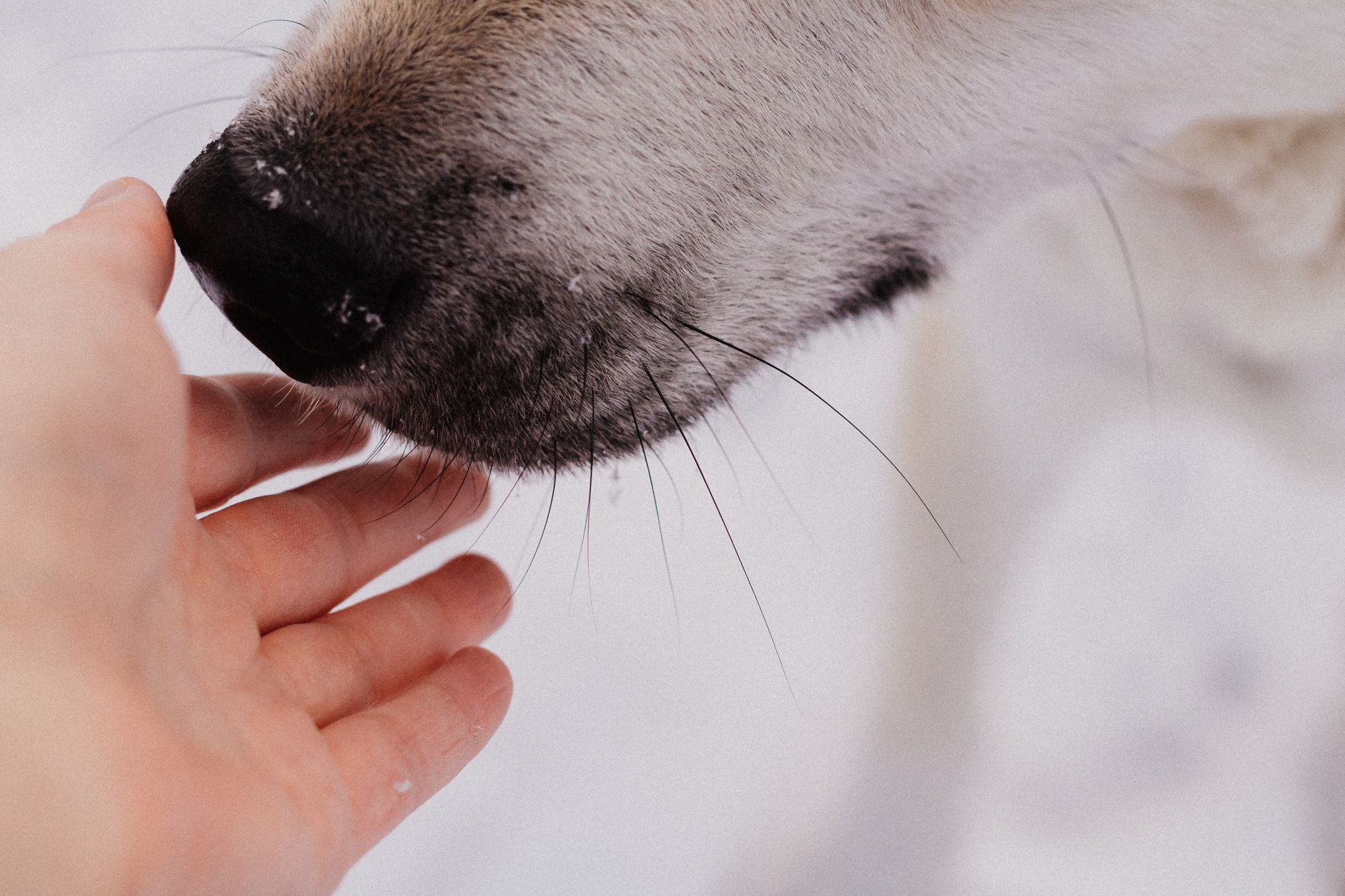
Many dog owners become concerned when they get sick and notice their pet nearby. A common question is whether a coughing, sneezing human can pass a cold to their dog. In most cases, the answer is no. The viruses that cause typical human colds are generally specific to humans and do not infect dogs in the same way.
However, dogs can experience their own respiratory illnesses that may look very similar to a human cold. Knowing what symptoms to watch for and understanding how infections spread can help owners make better decisions about their pet’s health.
Why Your Cold Usually Does Not Spread to Your Dog
Human colds are caused by viruses that are adapted to the human respiratory system. These viruses are designed to enter human cells and reproduce under conditions found in the human body.
Dogs have different biology, immune responses, and respiratory systems, which means common cold viruses affecting people usually cannot establish an infection in dogs. Sharing a home, sitting close together, or comforting your dog while you are sick does not normally put your pet at risk of catching your cold.
This difference between species is why most everyday illnesses like seasonal colds remain limited to humans rather than spreading between people and dogs.
Dogs Can Still Develop Cold-Like Symptoms
Although dogs do not typically catch human colds, they can develop respiratory problems that appear similar. Sneezing, coughing, or a runny nose may indicate several possible conditions rather than a simple cold.
Common signs of respiratory discomfort in dogs include:
- Sneezing frequently.
- Nasal discharge.
- Coughing.
- Watery eyes.
- Lower activity levels.
- Reduced interest in food.
These symptoms may be caused by infections, allergies, irritation from dust or chemicals, or other underlying health issues. The cause cannot always be determined by symptoms alone.
Dogs Are More Likely to Catch Illnesses From Other Dogs
While your dog is unlikely to catch your cold, dogs can spread certain respiratory diseases among themselves. These illnesses are often transmitted through close contact, respiratory droplets, or shared environments.
Higher-risk situations may include:
- Spending time at dog parks.
- Staying at boarding facilities.
- Attending group training sessions.
- Interacting with many unfamiliar dogs.
- Visiting areas where infected animals have been present.
Regular veterinary care, appropriate vaccinations, and responsible social interactions can reduce the chance of contagious respiratory problems.
What to Do If Your Dog Seems Sick
If your dog develops mild coughing or sneezing, avoid assuming it is the same illness you have. Instead, monitor changes in your dog’s condition and provide basic supportive care.
Helpful steps include:
- Allow your dog to rest in a comfortable environment.
- Provide clean drinking water at all times.
- Reduce exposure to smoke, strong scents, and airborne irritants.
- Track changes in appetite, energy, and breathing.
Human cold medications should not be given to dogs unless specifically recommended by a veterinarian. Some ingredients that are safe for people can be harmful or toxic to pets.
When Respiratory Symptoms Need Veterinary Care
A mild respiratory issue may resolve, but some signs indicate that professional evaluation is needed. Contact a veterinarian if your dog experiences:
- Difficulty breathing.
- A cough that becomes persistent or severe.
- Extreme weakness or unusual tiredness.
- Loss of appetite lasting beyond a short period.
- Thick, unusual, or worsening nasal discharge.
- Signs of pain or distress.
Puppies, older dogs, and dogs with existing medical conditions may require extra attention because respiratory problems can affect them more significantly.
Can Humans and Dogs Share Any Diseases?
Although common colds usually do not transfer from humans to dogs, some illnesses can cross between animals and humans. These are known as zoonotic diseases and are different from ordinary seasonal colds.
Good hygiene habits remain useful, including washing hands regularly, keeping pet areas clean, and maintaining routine veterinary checkups.
The Bottom Line
Dogs generally do not catch human colds, so there is no need to isolate yourself from your pet when you have a typical cold. However, dogs can develop their own respiratory illnesses that may require attention.
The best approach is to focus on your dog’s actual symptoms rather than assuming they have caught your illness. Careful observation and timely veterinary advice are the most reliable ways to protect your pet’s health.