Dogs often communicate discomfort differently from humans. Instead of clearly showing where something hurts, many dogs change their behavior, movement, or daily routines. Learning to identify these changes can help owners notice potential health problems earlier and decide when veterinary attention may be needed.
Pain in dogs can result from many causes, including injuries, dental issues, aging-related conditions, illness, or internal problems. Because dogs cannot describe their symptoms, careful observation becomes an important part of responsible pet care.
Behavior Changes Are Often the First Clue
A dog’s personality and habits provide useful information about its well-being. A normally energetic dog that suddenly becomes quiet, avoids interaction, or reacts differently to familiar situations may be experiencing discomfort.
Common behavioral changes linked with possible pain include:
- Less interest in playing, walking, or usual activities
- Seeking isolation or hiding more often
- Becoming unusually sensitive, anxious, or irritable
- Showing aggression when approached or touched
- Difficulty relaxing or constantly changing positions
These signs are not always caused by pain alone, but sudden changes from a dog’s normal behavior should be investigated.
Watch for Changes in Movement and Body Language
Physical discomfort frequently affects the way dogs move. Even small changes in posture or activity can provide important clues.
| Observation | Possible Meaning |
|---|---|
| Limping or avoiding putting weight on a leg | May indicate injury, joint problems, or muscle discomfort. |
| Difficulty standing, climbing stairs, or jumping | Could be related to pain affecting mobility. |
| Unusual posture or a tense body position | Some dogs change their posture to reduce discomfort. |
| Repeated licking or chewing one area | May indicate irritation, injury, or localized pain. |
| Reduced grooming or changes in appearance | Can occur when movement becomes uncomfortable. |
Changes in Eating, Drinking, and Sleeping Patterns Matter
Daily routines are another useful indicator of a dog’s health. Pain can affect basic activities that are normally consistent.
Owners should pay attention if a dog:
- Stops eating or eats much less than usual
- Has trouble chewing or picking up food
- Drinks noticeably more or less than normal
- Sleeps significantly more or struggles to sleep comfortably
- Loses weight without a clear explanation
Appetite changes can be caused by many conditions, including dental pain, digestive problems, illness, or stress. Persistent changes should be discussed with a veterinarian.
Sounds and Facial Expressions Can Reveal Discomfort
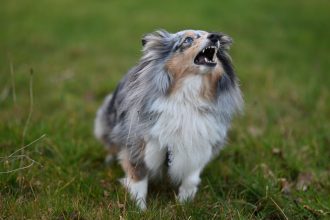
Some dogs make their discomfort obvious by whining, crying, growling, or vocalizing more than usual. Others may become completely silent and hide signs of pain.
Body language can also provide clues. Signs such as flattened ears, avoiding eye contact, excessive panting when resting, or a tense facial expression may indicate that a dog is uncomfortable.
When Pain Requires Professional Attention
A veterinarian should evaluate situations where pain appears severe, sudden, or continues over time. Waiting too long can allow some conditions to worsen.
Contact a veterinary professional if your dog shows signs such as:
- Sudden inability to walk or move normally
- Severe distress or continuous signs of discomfort
- Difficulty breathing
- Refusal to eat for an extended period
- Major personality changes combined with physical symptoms
- Signs of injury or trauma
How to Monitor Your Dog More Effectively
The most reliable way to identify pain is knowing what is normal for your individual dog. Each animal has different habits, energy levels, and communication styles.
- Observe your dog’s normal walking, eating, and sleeping patterns.
- Check for gradual changes rather than focusing only on dramatic symptoms.
- Notice whether your dog avoids activities it previously enjoyed.
- Keep track of recurring symptoms to share with a veterinarian.
Owners should avoid giving human pain medication to dogs unless specifically instructed by a veterinarian, as some common medications can be harmful or dangerous for animals.
Understanding Small Changes Can Protect Your Dog’s Health
Recognizing pain in dogs is less about finding one obvious symptom and more about noticing patterns. A change in behavior, movement, appetite, or routine may be the first indication that something is wrong.
By paying attention to these signals and seeking professional advice when needed, owners can help their dogs receive appropriate care sooner and maintain a better quality of life.