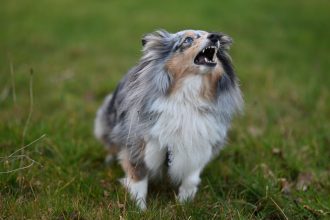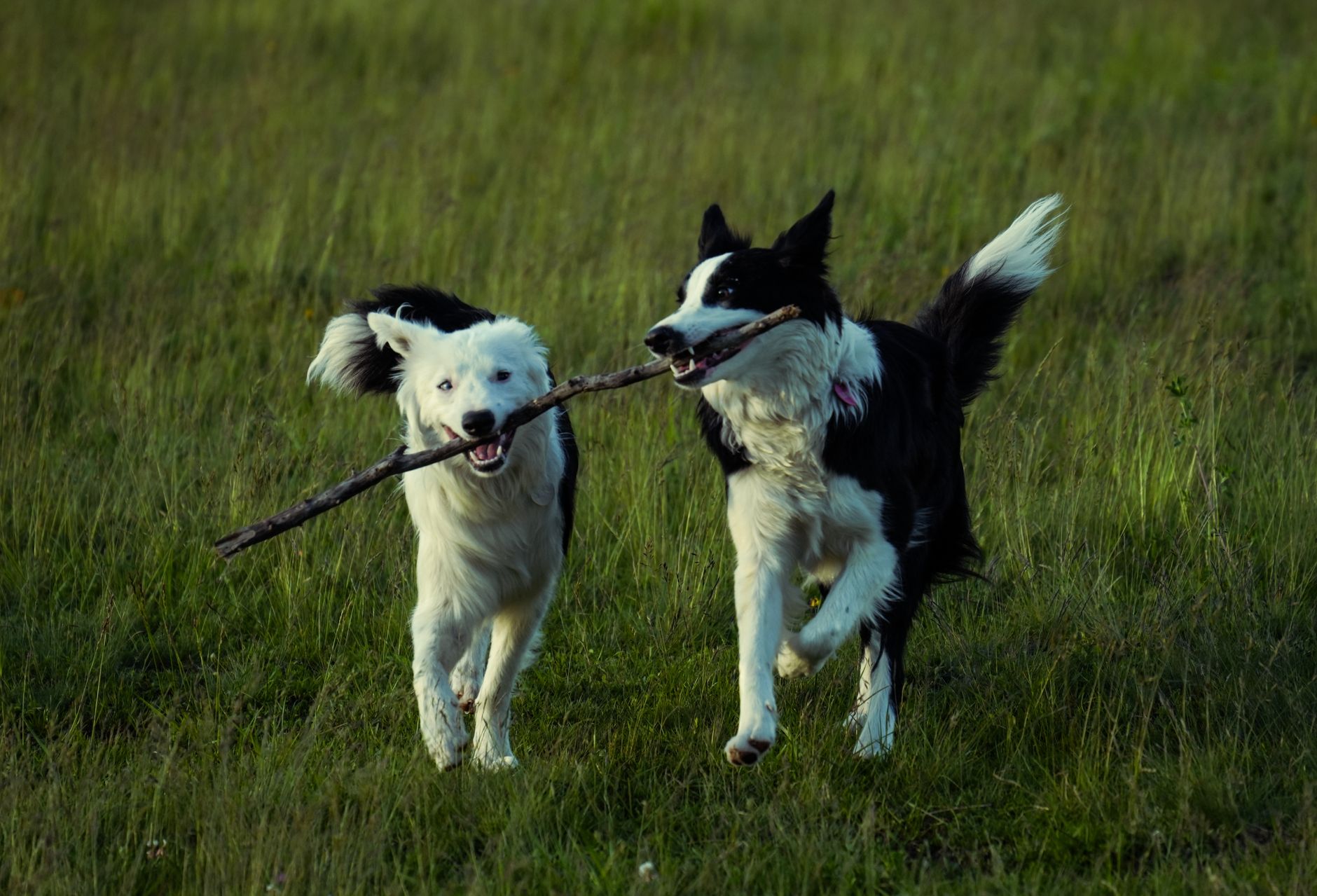
Many dog owners become curious about their pet’s background and wonder, “What dog breed am I?” or more accurately, “What breed is my dog?” Identifying a dog’s breed can reveal information about its likely appearance, behavior patterns, exercise needs, and potential health considerations.
However, determining a dog’s breed is not always simple. Mixed-breed dogs may inherit characteristics from several different breeds, making appearance alone an unreliable way to identify their ancestry.
Why Dog Breed Identification Can Be Difficult
Purebred dogs often have recognizable physical characteristics because they come from generations of selective breeding. Mixed-breed dogs, on the other hand, can display a combination of traits from multiple genetic backgrounds.
A dog with a short coat, pointed ears, or a certain body shape may resemble a particular breed without actually having significant ancestry from that breed. Similar physical features can appear across unrelated breeds because many dogs share common evolutionary traits.
Start With Your Dog’s Physical Characteristics
Observing your dog’s appearance can provide clues, although these observations should be treated as estimates rather than definite answers. Important traits to consider include:
- Size and body structure: Height, weight, muscle development, and body proportions can help narrow possible breed groups.
- Coat type: Fur length, texture, shedding patterns, and colors may provide hints about ancestry.
- Head and facial features: Ear shape, muzzle length, and skull structure can be useful identifying characteristics.
- Tail and posture: Tail shape and how a dog carries itself may be linked to certain breed groups.
These features can suggest possibilities, but they do not confirm a dog’s genetic background.
Behavior Can Provide Additional Clues
A dog’s behavior may reflect traits commonly associated with certain breed groups. For example, some dogs naturally show stronger tendencies toward guarding, herding, retrieving, tracking, or companionship.
| Behavior Pattern | Possible Breed Group Association |
|---|---|
| Strong chasing or herding instincts | May be seen in herding breeds |
| High energy and endurance | Common among working, sporting, and active breeds |
| Strong scent tracking ability | Often associated with hound-type breeds |
| Protective behavior | Can appear in guardian and working breeds |
Behavior should not be used as the only identification method because training, environment, and individual personality also strongly influence how a dog acts.
DNA Testing Provides More Reliable Answers
For mixed-breed dogs, genetic testing is generally a more accurate way to investigate ancestry. A DNA test analyzes genetic markers from a dog’s sample and compares them with breed databases to estimate breed composition.
Genetic testing may also provide information about inherited traits or possible health risks associated with certain genetic variations. However, results should be interpreted carefully because breed predictions are estimates and may vary depending on the testing service and database used.
Why Knowing a Dog’s Breed Can Be Helpful
Understanding a dog’s breed background is not only about curiosity. Breed information can help owners make better decisions about care and training.
- Exercise planning: Some breeds have higher energy requirements and may need more physical activity.
- Training approach: Different breed groups may respond better to different training methods.
- Grooming needs: Coat type can affect brushing frequency and maintenance requirements.
- Health awareness: Certain breeds have higher risks for specific inherited conditions.
Why Breed Guessing Is Often Wrong
Human guesses about dog breeds are often influenced by appearance alone. Studies and practical experience have shown that visual identification can be inaccurate, especially with mixed-breed dogs.
A dog may look like a Labrador Retriever, German Shepherd, or Border Collie but have little or no genetic connection to those breeds. Appearance is shaped by many genes, and some traits can appear unexpectedly through generations.
A Practical Approach to Finding Your Dog’s Breed
- Observe your dog’s physical traits, including size, coat, and body structure.
- Consider behavior patterns while accounting for training and environment.
- Review information from adoption records or previous owners if available.
- Use DNA testing if a more detailed ancestry estimate is needed.
The Bottom Line
Finding out what breed a dog is can be interesting and useful, but there is rarely a perfect answer based only on appearance. Physical characteristics and behavior can provide clues, while DNA testing offers a more scientific approach for identifying ancestry.
Regardless of breed, every dog has individual needs shaped by genetics, environment, training, and personality. Understanding those factors is more important than a label alone when providing the best care.