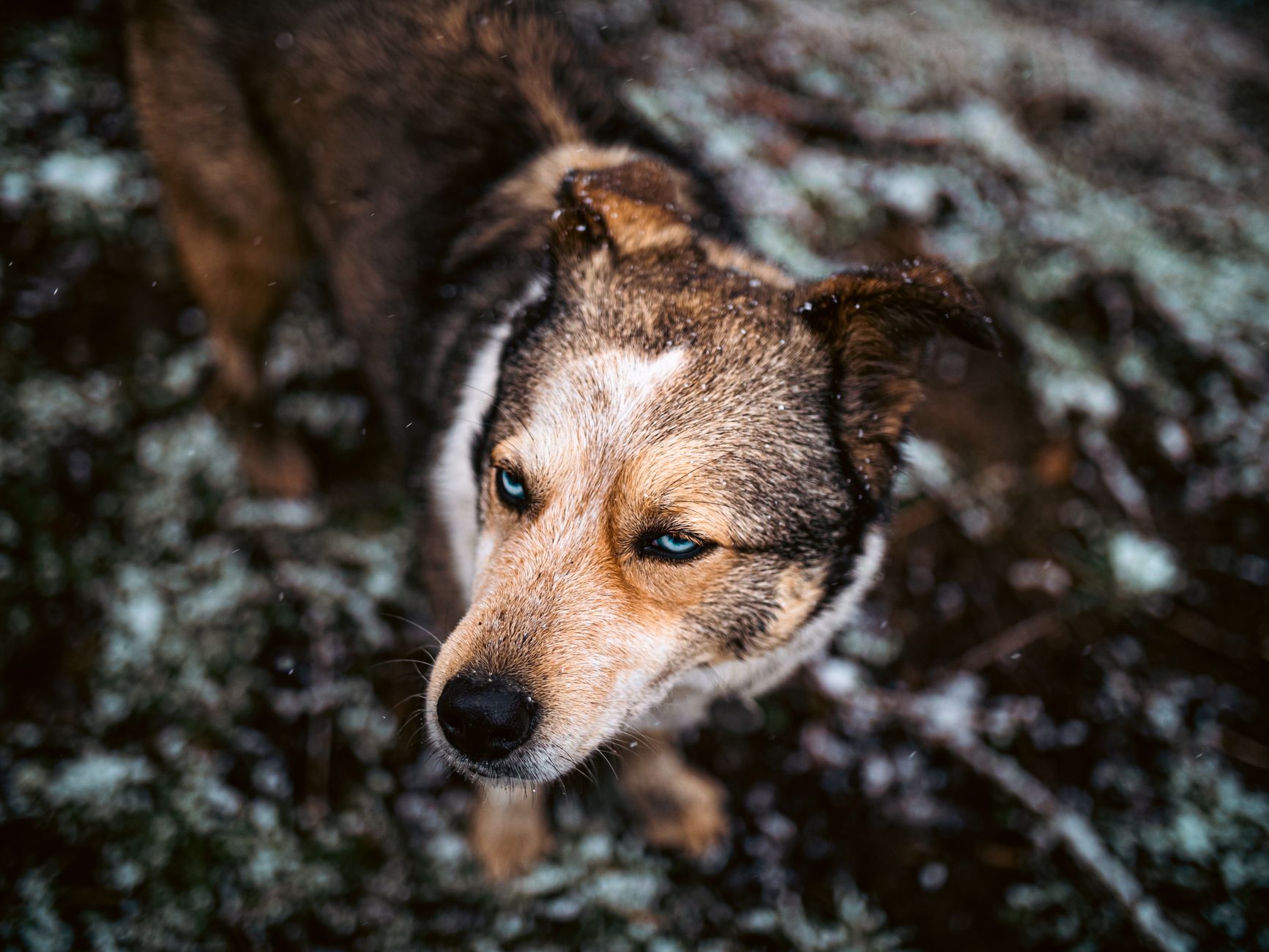
Dogs can develop symptoms that look similar to a human cold, such as sneezing, coughing, nasal discharge, or lower energy levels. However, a dog’s respiratory problems do not always have the same causes as a person’s common cold.
While dogs can become sick with certain respiratory infections, they generally do not catch the same cold viruses that commonly affect humans. Knowing the difference between a mild illness and a condition that requires veterinary attention can help owners respond appropriately.
Do Dogs Get the Same Colds as Humans?
The short answer is no. The viruses responsible for typical human colds are usually adapted to infect people, not dogs. A dog that is sneezing or coughing is not necessarily suffering from the same illness that causes humans to feel congested and tired.
Instead, dogs can experience their own respiratory infections caused by different viruses, bacteria, or environmental factors. These illnesses may create symptoms that appear similar to a human cold but involve different causes.
Common Reasons a Dog May Show Cold-Like Symptoms
Respiratory symptoms in dogs can come from several conditions. Some are mild and temporary, while others require medical evaluation.
- Viral infections: Certain canine respiratory viruses can cause coughing, sneezing, and nasal discharge.
- Bacterial infections: Bacteria may contribute to respiratory illness, especially when symptoms become more severe or persistent.
- Environmental irritation: Dust, smoke, perfumes, and other airborne irritants can trigger sneezing or coughing.
- Allergies: Some dogs react to environmental allergens, causing symptoms that resemble a mild cold.
- Other health conditions: Heart problems, airway issues, or other diseases can sometimes appear as respiratory symptoms.
Signs That Your Dog May Be Sick
A mild respiratory issue may resolve with time, but owners should pay attention to changes in their dog’s overall condition. Symptoms to monitor include:
- Sneezing
- Coughing
- Runny nose
- Watery eyes
- Reduced activity
- Changes in appetite
- Difficulty breathing
A single sneeze or occasional cough is not always a reason for concern. The duration, severity, and combination of symptoms are more important when deciding whether veterinary care is needed.
Can Dogs Catch a Cold From Their Owners?
In most cases, dogs do not catch ordinary human colds from their owners. The viruses that cause common colds in people are generally different from those that affect dogs.
However, some respiratory diseases can spread between different species in certain situations. People who are sick should still practice good hygiene around pets, including washing hands and avoiding unnecessary close contact when possible.
How to Help a Dog With Mild Respiratory Symptoms
For minor symptoms, supportive care can help keep a dog comfortable while monitoring their condition. Helpful steps may include:
- Providing access to fresh water.
- Allowing extra rest and avoiding strenuous activity.
- Keeping the environment free from smoke, dust, and strong scents.
- Maintaining a comfortable indoor temperature.
Owners should avoid giving human cold medications to dogs unless specifically instructed by a veterinarian. Many human medicines can be dangerous or toxic to pets.
When a Vet Visit Is Necessary
Some respiratory symptoms can indicate a more serious condition. Veterinary advice is recommended if a dog has:
- Breathing difficulties
- A persistent or worsening cough
- High levels of tiredness or weakness
- Loss of appetite for an extended period
- Thick nasal discharge
- Symptoms that do not improve
Puppies, older dogs, and dogs with existing health conditions may need closer monitoring because they can be more vulnerable to illness.
Human Cold vs Dog Respiratory Illness
| Aspect | Human Cold | Dog Respiratory Illness |
|---|---|---|
| Main cause | Human-specific viruses | Canine viruses, bacteria, irritants, or other conditions |
| Can humans and dogs usually share it? | Typically no | Usually affects dogs rather than humans |
| Common symptoms | Sneezing, congestion, sore throat | Coughing, sneezing, nasal discharge, reduced energy |
Final Thoughts
Dogs can experience illnesses that look like a cold, but they generally do not catch the same common cold that affects humans. Respiratory symptoms should be evaluated based on their severity, duration, and the dog’s overall health.
Monitoring changes, providing basic supportive care, and knowing when to contact a veterinarian are the most important steps in helping a dog recover safely.