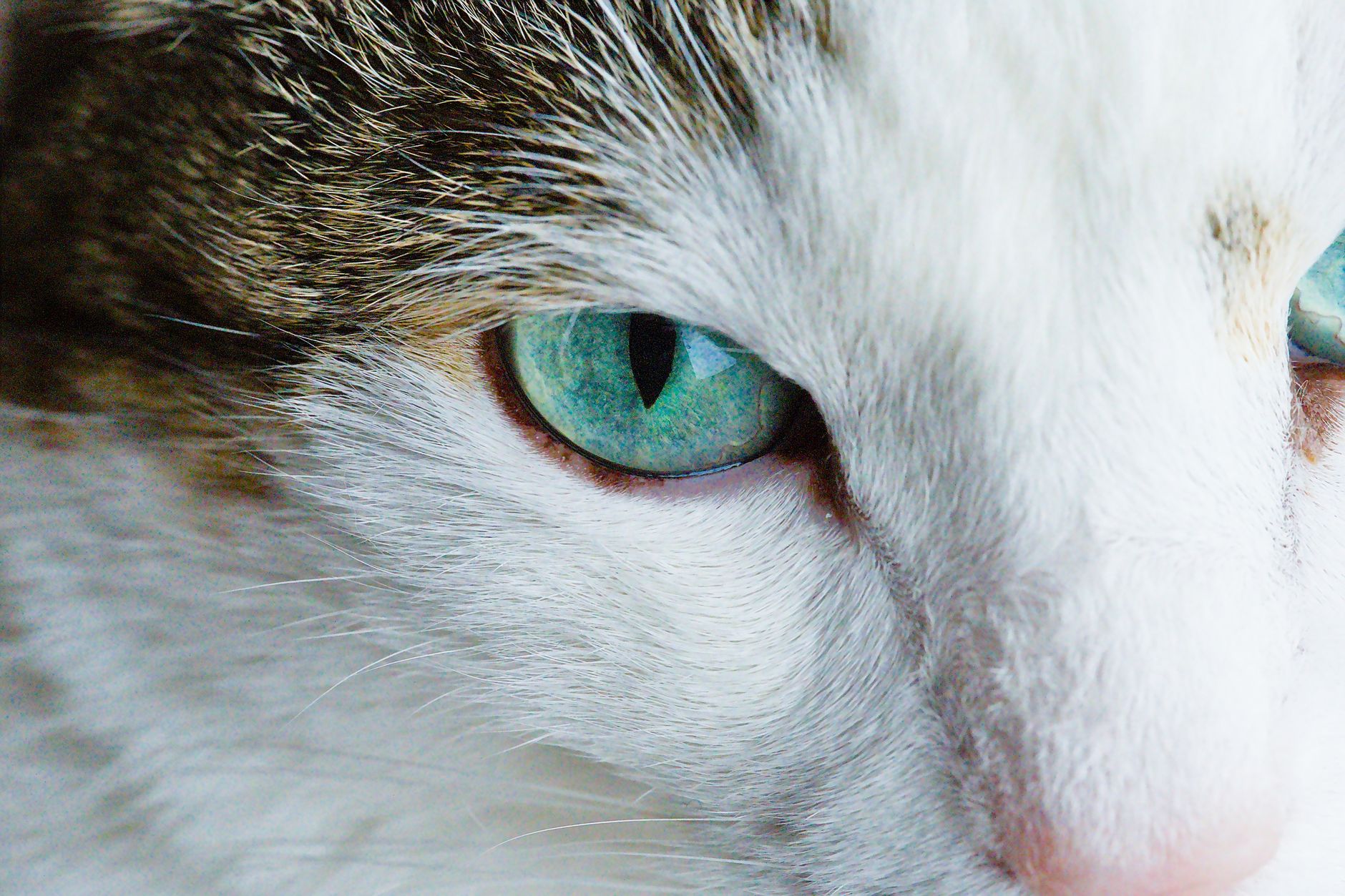
Your cat’s eyes are watering because of irritation, infection, allergies, blocked tear ducts, injury, or an underlying health problem. Occasional tearing can be normal, but frequent or persistent watery eyes often indicate a condition that needs attention.
What Does It Mean When a Cat’s Eyes Water?
Watery eyes occur when tear production increases or tear drainage is reduced. Tears protect the eye, but excess tears usually signal irritation or disease.
Normal Tear Functions
- Lubricate the eye surface
- Flush out debris
- Protect against infection
When Watery Eyes Are Normal
Short-term watering can be harmless.
Situations Where Watering Is Normal
- Dust or wind exposure
- Brief irritation
- Temporary stress
When Watery Eyes Are a Problem
Persistent watering is not normal.
Warning Signs
- Watering lasting longer than 24–48 hours
- Redness or swelling
- Behavior changes or discomfort
Most Common Causes of Watery Eyes in Cats
Many conditions can cause excessive tearing.
Main Causes
- Eye infections
- Allergies
- Blocked tear ducts
Eye Infections
Infections are a leading cause of watery eyes.
Types of Eye Infections
- Viral infections
- Bacterial infections
- Secondary infections
Feline Herpesvirus (FHV-1)
Feline herpesvirus is one of the most common causes.
Symptoms of Feline Herpesvirus
- Watery or mucus discharge
- Sneezing
- Eye squinting
Bacterial Conjunctivitis
Bacterial infections often cause thicker discharge.
Signs of Bacterial Infection
- Yellow or green discharge
- Swollen eyelids
- Crusting around the eyes
Allergies in Cats
Cats can develop allergies just like humans.
Common Allergens
- Dust and pollen
- Mold
- Cleaning products
How Allergies Cause Watery Eyes
Allergens trigger inflammation in the eyes.
Allergy-Related Symptoms
- Clear watery discharge
- Redness
- Itching or rubbing
Foreign Objects in the Eye
Small particles can irritate the eye.
Common Eye Irritants
- Dust
- Plant material
- Litter particles
Eye Injuries and Trauma
Injuries often cause pain and tearing.
Types of Eye Injuries
- Scratches from fights
- Self-inflicted scratches
- Blunt trauma
Blocked Tear Ducts
Tears must drain properly.
Why Tear Ducts Become Blocked
- Chronic inflammation
- Infections
- Anatomical abnormalities
Brachycephalic (Flat-Faced) Cats
Flat-faced cats commonly have watery eyes.
Breeds at Higher Risk
- Persian cats
- Himalayan cats
- Exotic Shorthairs
Upper Respiratory Infections
Eye watering often occurs with respiratory illness.
Common URI Symptoms
- Sneezing
- Nasal discharge
- Watery eyes
Dental Disease and Watery Eyes
Dental issues can affect the eyes.
How Dental Disease Causes Eye Problems
- Tooth root infections
- Sinus inflammation
- Pressure on tear ducts
One Eye Watering vs Both Eyes Watering
The pattern gives important clues.
Interpretation Guide
- One eye: injury or foreign body
- Both eyes: infection or allergy
- Alternating eyes: chronic issue
Clear vs Colored Discharge
Discharge color matters.
Discharge Types
- Clear: irritation or allergies
- Yellow or green: infection
- Brown or red: chronic tearing or injury
When Watery Eyes Are an Emergency
Some eye problems need immediate care.
Emergency Signs
- Eye held shut
- Sudden cloudiness
- Visible injury or bleeding
What You Can Do at Home
Mild cases may be managed briefly at home.
Safe Home Care Steps
- Clean gently with saline solution
- Use soft gauze, not cotton
- Remove environmental irritants
What You Should Never Do
Some actions can worsen the problem.
Things to Avoid
- Using human eye drops
- Applying medications without a vet
- Ignoring persistent symptoms
How Veterinarians Diagnose Watery Eyes
Diagnosis depends on examination.
Common Diagnostic Tests
- Fluorescein eye stain
- Tear production tests
- Physical and eye exam
Treatment Options
Treatment depends on the cause.
Possible Treatments
- Antibiotic or antiviral eye drops
- Anti-inflammatory medication
- Tear duct flushing
How Long Does It Take for Watery Eyes to Heal?
Recovery time varies.
Typical Healing Timelines
- Mild irritation: a few days
- Infection: 1–2 weeks
- Chronic conditions: ongoing care
Watery Eyes in Kittens
Kittens are especially vulnerable.
Common Kitten Causes
- Upper respiratory infections
- Immature immune systems
- Congenital tear duct issues
Watery Eyes in Senior Cats
Older cats face higher risks.
Senior Cat Causes
- Chronic infections
- Dental disease
- Tumors or growths
Preventing Watery Eyes in Cats
Some causes are preventable.
Prevention Tips
- Keep the environment clean
- Schedule regular vet visits
- Maintain good dental hygiene
When to See a Veterinarian
Early treatment protects vision.
See a Vet If
- Watering lasts more than 48 hours
- Discharge becomes thick or colored
- Your cat shows pain or vision issues
Common Myths About Watery Eyes
Many myths delay treatment.
Myths Explained
- Watery eyes are always harmless
- Cats will heal on their own
- Human eye drops are safe
Final Takeaways
Watery eyes in cats can be normal or a sign of illness. Occasional tearing is harmless, but persistent watering, discharge, or discomfort requires veterinary attention. Early care helps prevent pain, infection, and vision loss.