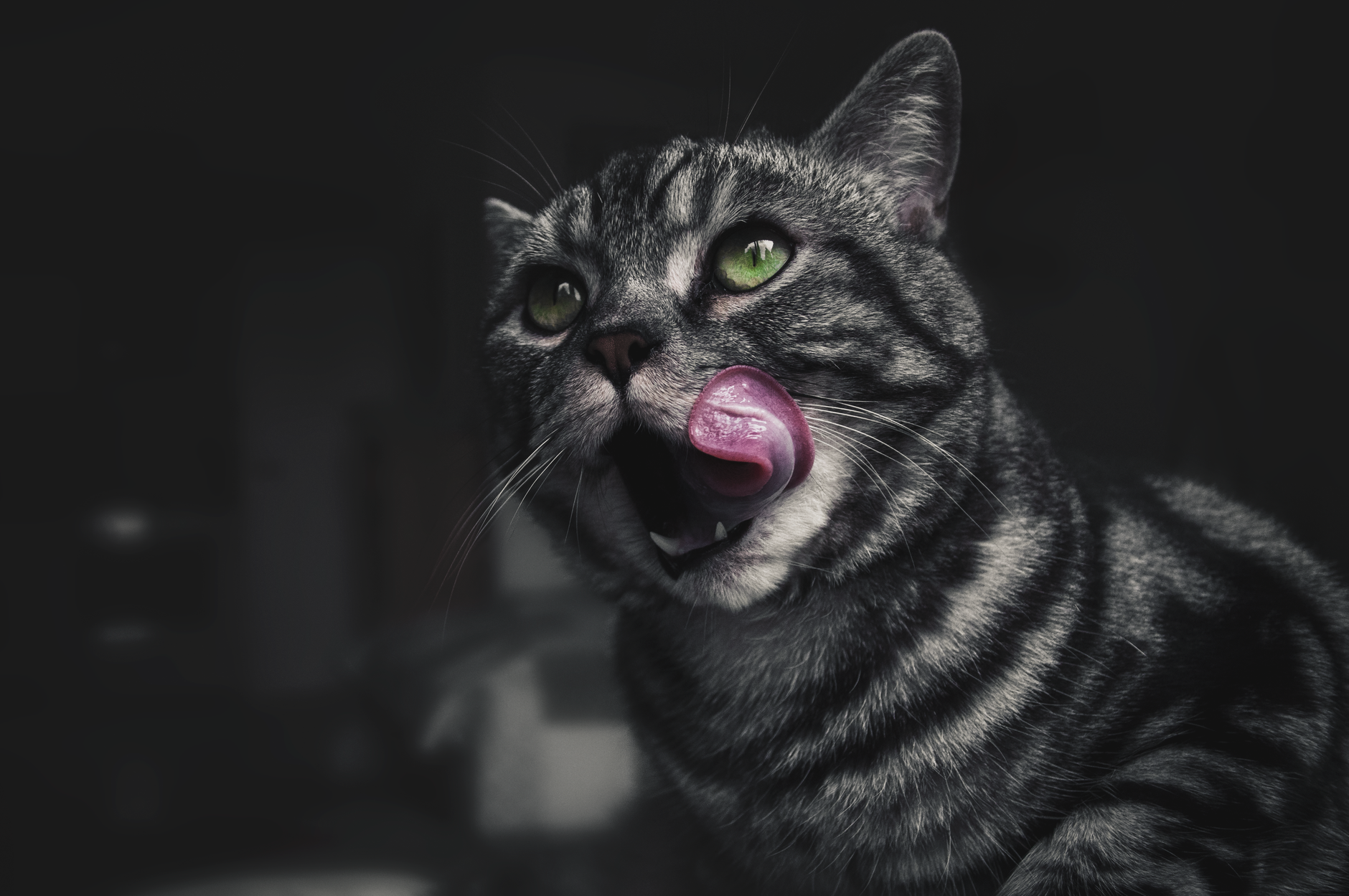
Your cat licks you because it is showing affection, engaging in social grooming, and bonding through scent. Licking is a normal feline behavior that signals trust, comfort, and emotional connection.
What Licking Means in Cat Behavior
Licking is a primary form of feline communication. Cats use grooming to reinforce social bonds and regulate emotions.
Main Reasons Cats Lick Humans
- Affection: Your cat considers you part of its family.
- Bonding: Grooming strengthens trust and attachment.
- Scent marking: Saliva mixes scents for familiarity.
Social Grooming and Trust
When cats lick you, they are practicing allogrooming. This behavior is reserved for close companions.
Signs Licking Is Social Grooming
- Purring during licking
- Relaxed body posture
- Slow blinking
Affection and Emotional Bonding
Licking often occurs during calm, positive interactions. Petting and cuddling trigger affectionate responses.
Why Petting Encourages Licking
- Releases calming endorphins
- Activates grooming instincts
- Strengthens emotional connection
Scent Recognition and Comfort
Cats rely on scent to identify trusted individuals. Licking helps reinforce shared scent profiles.
Scent-Based Reasons for Licking
- Creates familiarity
- Provides emotional security
- Strengthens group identity
Taste, Salt, and Skin Oils
Human skin can taste appealing to cats. Natural oils and salt residue attract licking.
Why Cats Like the Taste
- Salt from sweat
- Skin-care product residues
- Warmth and texture
Comfort-Seeking and Stress Relief
Licking can be self-soothing. It helps cats manage stress and anxiety.
Situations Where Comfort Licking Occurs
- During quiet bonding time
- After stressful events
- Before sleep
Overstimulation and Boundary Signals
Sometimes licking signals rising stimulation. It may precede nibbling or biting.
Early Warning Signs
- Tail flicking
- Ears turning sideways
- Sudden stillness
Is Licking a Sign of Love?
Yes. Licking is one of the clearest signs of feline trust and affection.
When Licking Becomes Excessive
Excessive licking may indicate stress or compulsive behavior.
Warning Signs
- Compulsive licking
- Behavior changes
- Licking combined with biting
How to Respond When Your Cat Licks You
Your response shapes future behavior.
Best Response Practices
- Allow brief licking if comfortable
- Gently redirect if overstimulation appears
- Maintain calm interaction
What NOT to Do
Negative reactions reduce trust.
Avoid These Actions
- Yelling or scolding
- Pushing your cat away forcefully
- Punishing affectionate behavior
Differences Between Cats
Not all cats lick humans. Personality and experience matter.
Factors That Influence Licking
- Early socialization
- Breed tendencies
- Individual temperament
When to Talk to a Veterinarian
Medical causes are uncommon but possible.
Consult a Vet If
- Licking becomes obsessive
- Behavior changes suddenly
- Signs of anxiety or discomfort appear
Final Takeaways
Your cat licks you because it trusts you, feels bonded, and is expressing affection. This behavior reflects healthy feline communication, with occasional licking also serving as comfort-seeking or scent bonding.