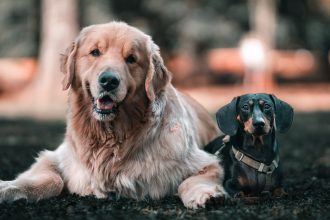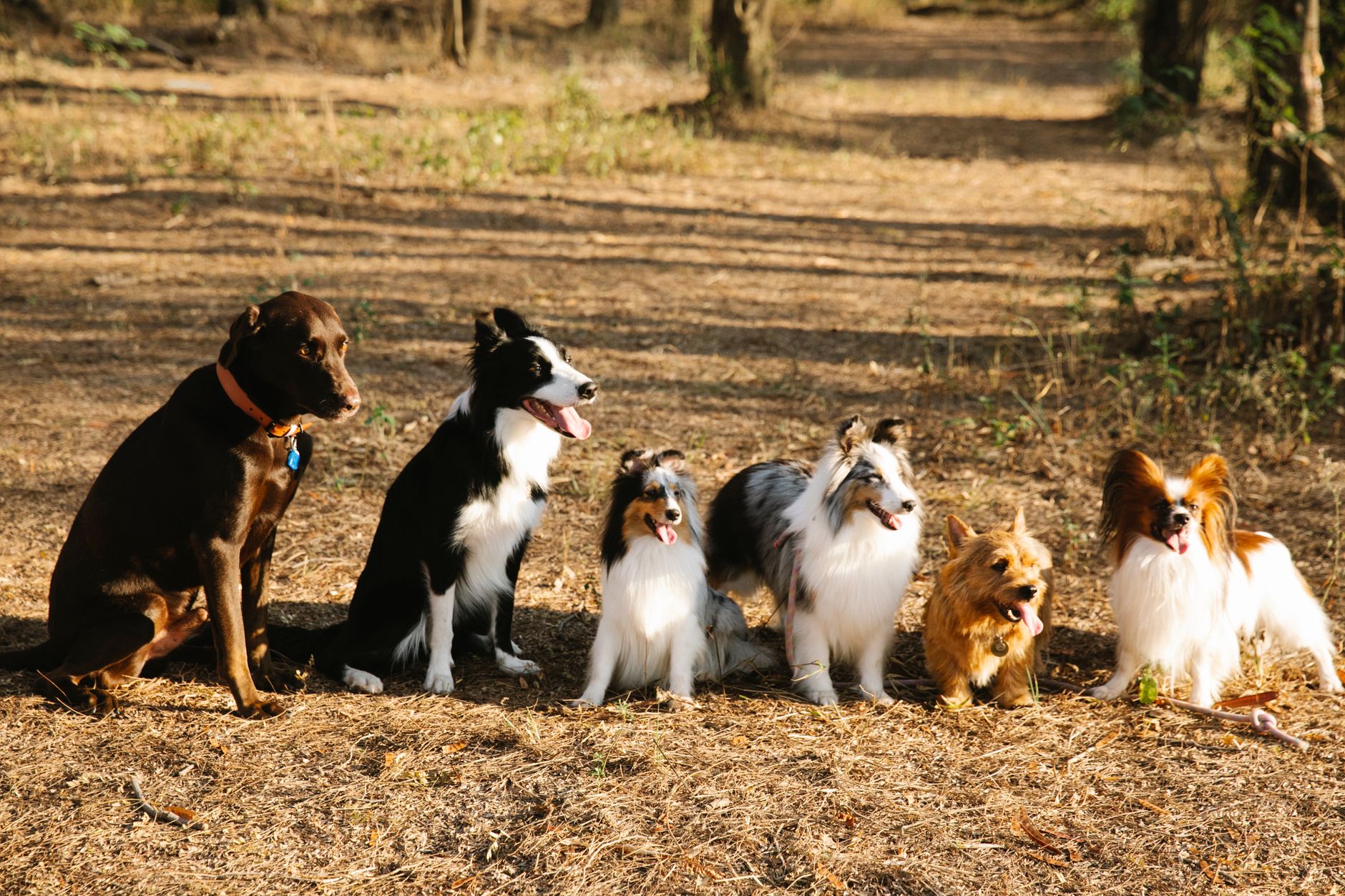
Dogs are among the most familiar animals in human society, but the word “dog” represents a remarkably diverse group of animals. From small companion breeds that live comfortably in apartments to large working dogs bred for protection, hunting, or assistance, dogs vary widely in appearance, behavior, and abilities.
To understand what dogs are, it helps to look beyond individual breeds and examine their biological classification, history with humans, and the characteristics that make them such adaptable companions.
What Exactly Is a Dog?
A dog is a domesticated mammal belonging to the canine family. Scientifically, domestic dogs are classified as Canis lupus familiaris, a subspecies of the gray wolf. Although modern dogs look very different from wolves, they share many biological traits, including social behavior and communication patterns.
Over thousands of years, humans selectively bred dogs for specific purposes. This process created animals with specialized skills, such as herding livestock, tracking scents, guarding property, assisting people with disabilities, and providing companionship.
How Many Types of Dogs Are There?
The number of recognized dog breeds depends on the organization defining them. International and national kennel organizations recognize hundreds of official breeds, while additional local or developing breeds exist around the world.
Breeds are generally grouped according to their historical roles rather than only their appearance. Common categories include:
| Dog Group | Typical Characteristics |
|---|---|
| Working dogs | Bred for tasks such as guarding, pulling, rescue work, and assistance. |
| Herding dogs | Developed to control and manage livestock using intelligence and responsiveness. |
| Sporting dogs | Often used for activities involving retrieving, hunting, and endurance. |
| Terriers | Historically bred for controlling pests and working independently. |
| Toy dogs | Small breeds commonly developed as human companions. |
| Hounds | Known for strong senses, especially sight or scent tracking abilities. |
Why Do Dogs Look So Different From One Another?
The wide variation among dogs is the result of selective breeding. Humans chose dogs with specific traits over generations, gradually creating differences in size, coat type, body shape, temperament, and working ability.
A Chihuahua and a Great Dane, for example, belong to the same species but were developed for very different purposes and environments. Their physical differences show how strongly breeding influences canine characteristics.
Common Traits Shared by Most Dogs
Despite their differences, many dogs share several behaviors that come from their long relationship with humans.
- Social behavior: Dogs are generally group-oriented animals that form strong bonds with people and other animals.
- Communication skills: Dogs use body language, vocal sounds, facial expressions, and scent signals to interact.
- Learning ability: Many dogs can learn commands, routines, and problem-solving tasks through training.
- Adaptability: Dogs can adjust to different living environments when their physical and emotional needs are met.
Dogs as Companions and Working Animals
Dogs have roles that extend far beyond being household pets. Their strong senses and ability to cooperate with humans have made them valuable in many fields.
- Guide dogs help people with visual impairments navigate daily activities.
- Search and rescue dogs assist during emergencies by using their sense of smell.
- Detection dogs help identify specific substances or materials.
- Therapy dogs provide comfort and support in certain care environments.
- Working dogs assist with farming, security, and other specialized tasks.
Choosing a Dog Requires More Than Looking at Appearance
A common mistake when choosing a dog is focusing only on size or appearance. A breed’s energy level, exercise needs, grooming requirements, and temperament are equally important factors.
For example, an energetic working breed may require more physical activity and mental stimulation than a person with a quiet lifestyle can provide. A smaller dog may need less space but can still have significant training or social needs.
The Relationship Between Humans and Dogs
Dogs have developed a unique relationship with humans through thousands of years of domestication. Their ability to understand human signals, cooperate with people, and adapt to different roles has helped them become one of the most widespread domesticated animals in the world.
Understanding dogs means recognizing that they are not simply defined by their breed or appearance. Each dog has biological traits, inherited tendencies, and individual experiences that influence its behavior and needs.