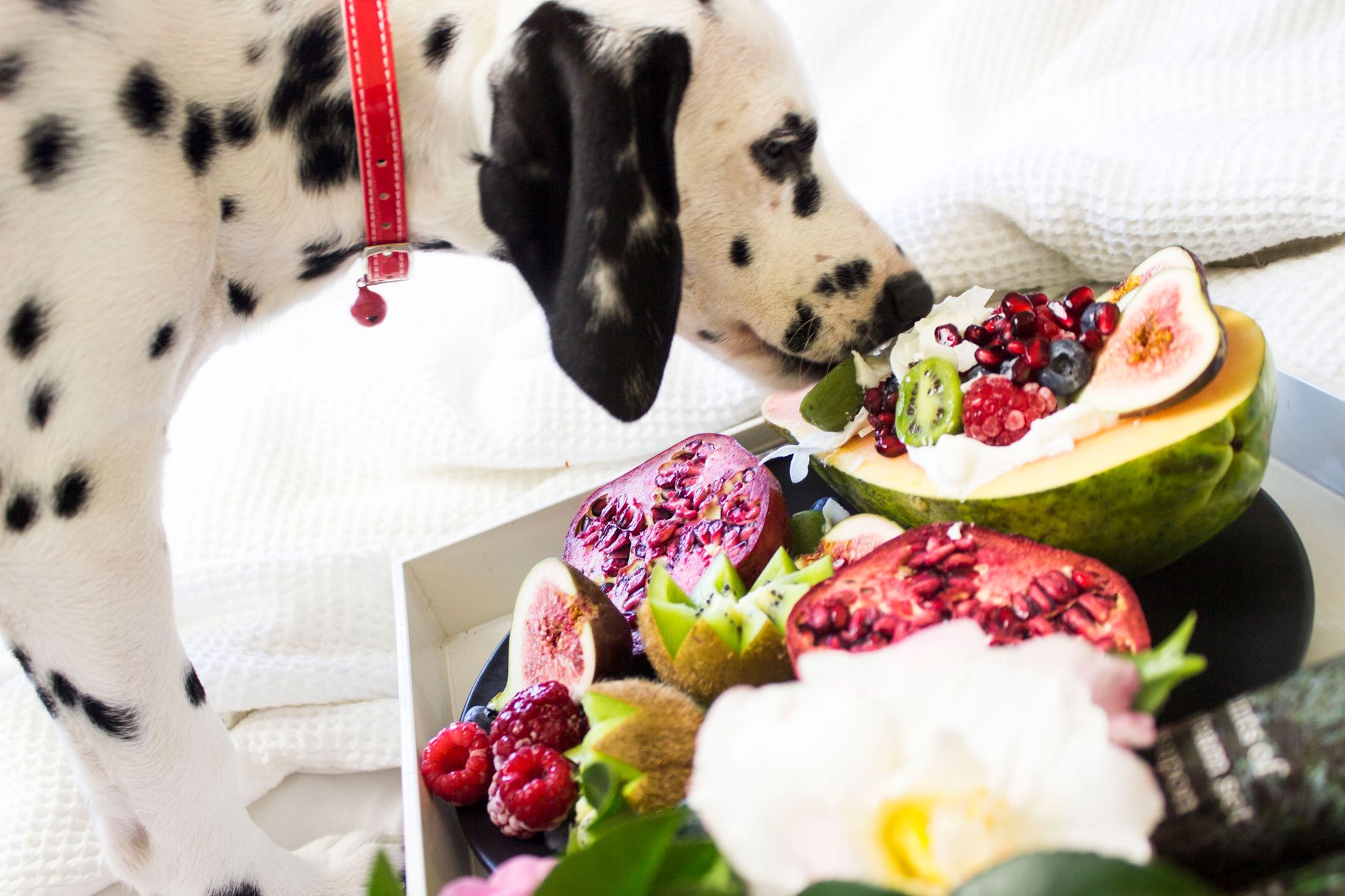
Fruits can be a refreshing treat for dogs, but not every fruit that is healthy for humans is suitable for canine consumption. Some fruits contain harmful compounds, while others become dangerous because of seeds, pits, or the way they affect a dog’s digestive system.
Before sharing fruit with a dog, owners should understand which options are unsafe, what parts of a fruit may cause problems, and how to recognize possible signs of a negative reaction. Careful choices help prevent accidental poisoning and unnecessary health risks.
Why Some Fruits Are Unsafe for Dogs
Dogs have different metabolic systems from humans. Their bodies process certain natural chemicals differently, meaning a food that appears harmless to people may create health concerns for pets.
Fruit-related risks generally come from three main sources:
- Toxic compounds: Some fruits contain substances that can negatively affect a dog’s organs or nervous system.
- Seeds and pits: These can create choking hazards, intestinal blockages, or contain harmful compounds.
- High sugar or acidity: Excessive amounts may contribute to digestive upset or be unsuitable for dogs with certain health conditions.
Fruits That Dogs Should Not Eat
| Fruit | Why It Can Be Dangerous | Possible Effects |
|---|---|---|
| Grapes and raisins | They have been associated with serious kidney problems in dogs. | Vomiting, tiredness, loss of appetite, and possible kidney failure. |
| Cherries | The pits, stems, and leaves contain compounds that can be harmful. The pits may also cause blockage. | Digestive problems, choking risk, and potential toxicity. |
| Avocado | Contains compounds that may not be suitable for dogs, and the large pit presents a physical hazard. | Stomach upset or choking-related risks. |
| Certain citrus fruits in large amounts | High acidity and essential oils may irritate a dog’s digestive system. | Vomiting, diarrhea, and discomfort. |
Be Careful With Fruit Seeds and Pits
The most dangerous part of some fruits is not always the fruit itself. Seeds and pits can create separate health concerns even when the flesh is less harmful.
Fruit pits can become choking hazards or cause intestinal obstruction if swallowed. Some seeds also contain naturally occurring substances that may become harmful when consumed in sufficient quantities.
For safer feeding, fruit should always be prepared by removing:
- Seeds
- Pits
- Stems
- Leaves
- Tough outer parts that are difficult to digest
Fruits That May Cause Problems Even If They Are Not Toxic
Some fruits are not considered poisonous but can still cause problems when offered incorrectly. Fruits with high sugar content may not be appropriate for dogs that need weight control or have certain medical conditions.
Too much fruit can also lead to:
- Diarrhea
- Gas
- Stomach discomfort
- Unbalanced calorie intake
Portion size matters because treats, including fruit, should only represent a small part of a dog’s overall diet.
Signs Your Dog May Have Eaten Unsafe Fruit
Symptoms can vary depending on the fruit consumed and the amount eaten. Some reactions appear quickly, while others may take longer to develop.
Contact a veterinarian if a dog shows signs such as:
- Repeated vomiting
- Severe diarrhea
- Loss of energy
- Loss of appetite
- Tremors or unusual movements
- Difficulty breathing
- Changes in urination
What to Do If Your Dog Eats a Dangerous Fruit
- Remove any remaining fruit to prevent further consumption.
- Identify the exact fruit and the amount eaten.
- Check whether seeds, pits, or other parts were consumed.
- Contact a veterinarian for advice if the fruit is known to be risky.
Avoid trying random home remedies, as some approaches may worsen the situation. Professional guidance is the safest option when poisoning is possible.
Safer Ways to Offer Fruit to Dogs
Dogs can enjoy some fruits when they are prepared properly and given in moderation. Suitable options may include fruits such as apples without seeds, blueberries, strawberries, or watermelon without rind and seeds.
However, every dog is different. Age, size, allergies, existing health conditions, and diet requirements should be considered before introducing new foods.
Making Better Choices for Your Dog’s Diet
Fruit can be an occasional treat, but it should not replace a complete and balanced dog diet. The safest approach is to understand which fruits are appropriate, remove unsafe parts, and introduce new foods gradually.
Knowing what fruits dogs cannot eat gives owners a practical way to protect their pets while still providing variety and enrichment through safe treats.