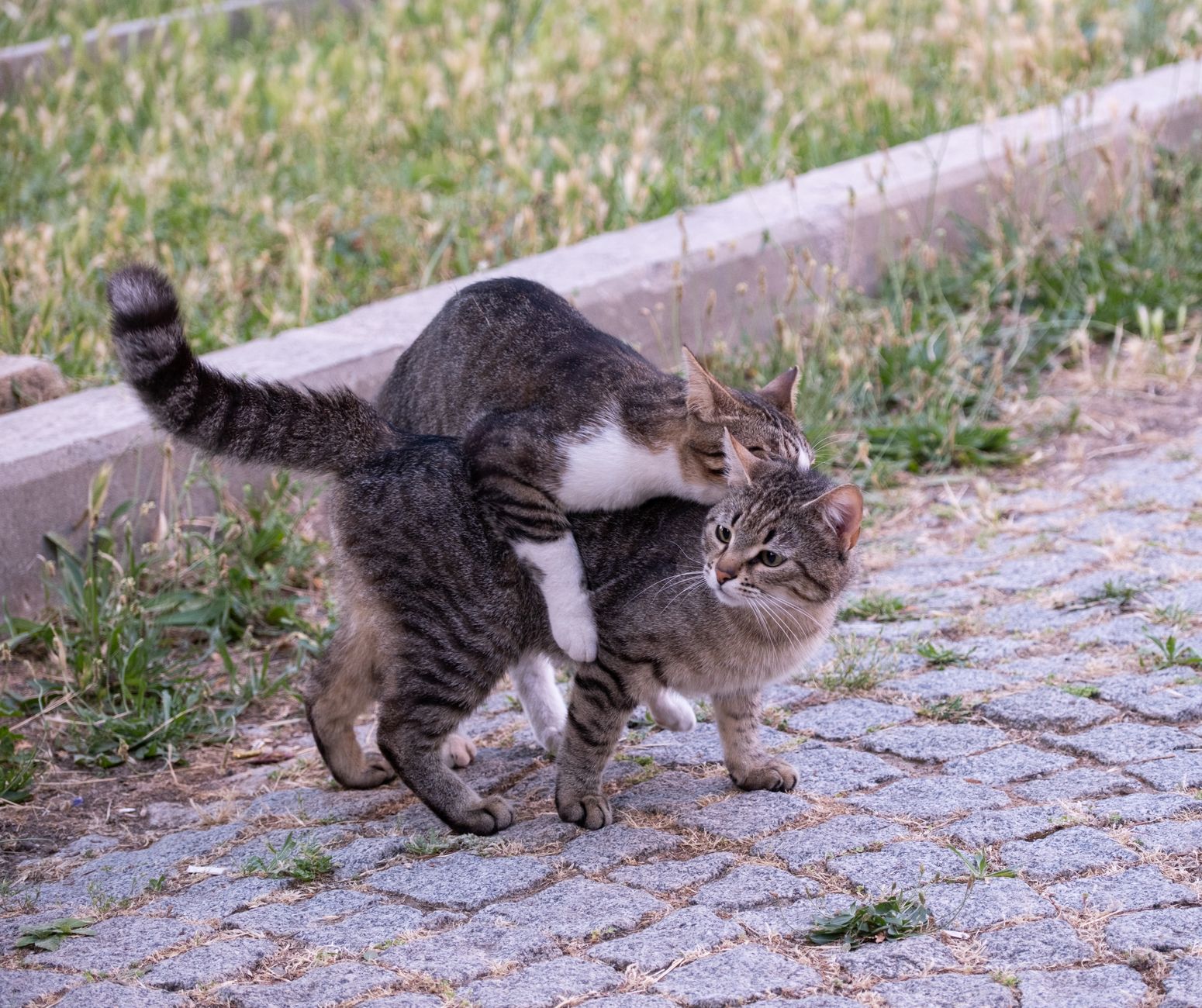
Female cats usually start going into heat between 4 and 6 months of age. Some cats can enter heat as early as 3 months, while others may not cycle until closer to 9 months, depending on breed, body weight, and daylight exposure.
What Does “Going Into Heat” Mean?
Going into heat means a female cat is sexually receptive and able to become pregnant. This phase is called estrus.
Key Features of Heat
- Hormonal changes trigger ovulation readiness
- Behavior shifts to attract males
- Fertility is at its peak
Average Age Cats Enter Their First Heat
Most cats experience their first heat between 4 and 6 months.
Typical Age Ranges
- Early developers: 3–4 months
- Average timing: 4–6 months
- Late developers: 7–9 months
Can Cats Go Into Heat Before 4 Months?
Yes, early heat cycles can occur.
Why Early Heat Happens
- Rapid growth and weight gain
- High-calorie nutrition
- Early daylight exposure
Does Breed Affect When Cats Go Into Heat?
Breed influences sexual maturity.
Breed-Based Differences
- Oriental breeds mature earlier
- Large breeds mature later
- Mixed breeds vary widely
Cat Breeds That Enter Heat Earlier
Some breeds mature faster.
Early-Maturing Breeds
- Siamese
- Burmese
- Oriental Shorthair
Cat Breeds That Enter Heat Later
Larger or slow-growing breeds cycle later.
Later-Maturing Breeds
- Maine Coon
- Norwegian Forest Cat
- Ragdoll
How Body Weight Affects Heat Cycles
Cats must reach a minimum body weight to cycle.
Weight-Related Factors
- Usually around 4–5 pounds
- Adequate body fat triggers hormones
- Underweight cats cycle later
Seasonal Influence on Heat Cycles
Cats are seasonally polyestrous.
Seasonal Patterns
- More cycles in spring and summer
- Fewer cycles in fall and winter
- Daylight length is the main trigger
Indoor Cats and Heat Timing
Indoor cats may cycle year-round.
Why Indoor Cats Cycle More Often
- Artificial lighting extends daylight
- Stable temperatures
- Consistent food access
Signs a Cat Is Going Into Heat
Behavioral changes are the main indicators.
Common Heat Signs
- Loud, frequent vocalizing
- Rolling on the floor
- Increased affection
Physical Signs of Heat
Physical changes are subtle.
Possible Physical Signs
- Swollen vulva (mild)
- Clear discharge (rare)
- Increased grooming
Posture Changes During Heat
Specific postures indicate estrus.
Typical Heat Posture
- Lowered front body
- Raised hindquarters
- Tail moved to the side
Behavior Changes Owners Often Notice
Heat causes dramatic behavior shifts.
Behavioral Indicators
- Attempting to escape outdoors
- Restlessness
- Spraying urine
How Long Does a Cat Stay in Heat?
Each heat cycle lasts 4–10 days.
Heat Duration Factors
- Presence of male cats
- Individual hormone levels
- Seasonal timing
How Often Do Cats Go Into Heat?
Cats can cycle every 2–3 weeks.
Cycle Frequency
- Spring to fall: frequent cycles
- Winter: fewer cycles
- Indoor cats: near-continuous cycles
Can Cats Get Pregnant During Their First Heat?
Yes, cats can become pregnant during their first heat.
Pregnancy Risks
- Young body not fully developed
- Higher complication risk
- Nutritional stress
How Early Can a Cat Get Pregnant?
Pregnancy can occur as early as 4 months.
Early Pregnancy Concerns
- Stunted growth
- Health complications
- Higher kitten mortality
Male Cats and Heat Cycles
Male cats do not go into heat.
Male Cat Sexual Maturity
- Reach maturity at 5–7 months
- Respond strongly to females in heat
- Exhibit spraying and roaming
Do Cats Ovulate Automatically?
Cats are induced ovulators.
Ovulation Process
- Mating triggers ovulation
- Multiple matings increase conception
- No mating means no ovulation
What Happens If a Cat Does Not Mate?
The cat will cycle again.
Non-Mated Cycle Outcome
- Heat ends after several days
- Another cycle begins weeks later
- Behavior repeats
Health Risks of Frequent Heat Cycles
Repeated cycles can affect health.
Potential Risks
- Stress and weight loss
- Increased risk of uterine infections
- Mammary tumors
How to Calm a Cat in Heat
Management focuses on comfort.
Temporary Comfort Measures
- Extra playtime
- Warm bedding
- Distraction techniques
Why Spaying Prevents Heat Cycles
Spaying removes reproductive organs.
Benefits of Spaying
- Eliminates heat cycles
- Prevents pregnancy
- Reduces cancer risk
Best Age to Spay a Cat
Most vets recommend spaying before first heat.
Recommended Timing
- 4–5 months old
- Before sexual maturity
- Before behavioral habits form
Can a Cat Be Spayed While in Heat?
Yes, but it carries higher risks.
Considerations
- Increased blood flow
- Higher surgical complexity
- Some vets prefer to wait
Indoor vs Outdoor Cats and Heat
Outdoor cats face higher pregnancy risks.
Outdoor Cat Risks
- Uncontrolled mating
- Multiple pregnancies per year
- Higher disease exposure
Common Myths About Cats in Heat
Misconceptions are common.
Myths Explained
- Cats need one heat before spaying
- Heat causes pain
- Heat happens once a year
When to See a Veterinarian
Professional guidance is important.
See a Vet If
- Heat cycles are extremely frequent
- Behavior becomes unmanageable
- You plan to breed responsibly
Final Takeaways
Cats usually start going into heat between 4 and 6 months of age. Heat cycles can begin earlier or later depending on breed, weight, and daylight exposure. Understanding the signs and timing helps owners prevent unwanted pregnancies and make informed decisions about spaying.