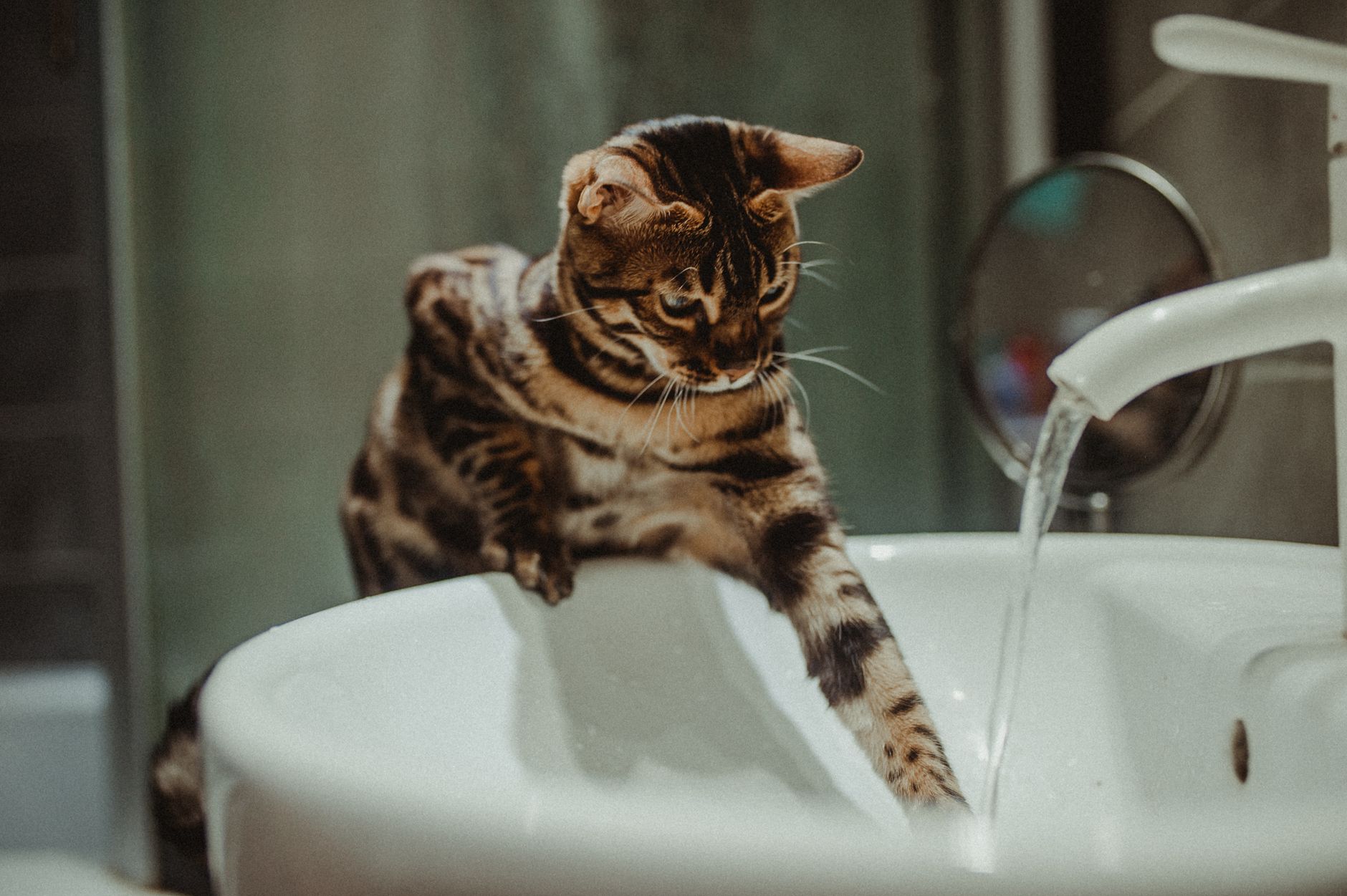
Finding bald patches on a Bengal cat’s stomach can be alarming, especially because this breed is known for its distinctive coat pattern and sleek appearance. Hair loss on the belly does not always mean a serious illness, but it is often a sign that something is affecting your cat’s skin, behavior, or overall health.
Bengal cats can develop stomach bald spots for several reasons, ranging from normal grooming habits to allergies, parasites, stress, or medical conditions. Understanding the possible causes can help owners recognize when home observation is enough and when veterinary evaluation is needed.
The First Question to Ask: Is Your Cat Removing the Fur?
Many cases of belly baldness in cats are not caused by fur failing to grow. Instead, the cat may be repeatedly licking, chewing, or grooming the same area until the hair becomes thin or disappears.
Excessive grooming, known as overgrooming or psychogenic alopecia, is common in cats that experience discomfort or stress. Because cats naturally hide signs of illness, grooming can become one of the first visible clues that something is wrong.
Signs that your Bengal may be overgrooming include:
- Smooth, clean-looking bald patches rather than areas with broken hair.
- Frequent licking focused on the stomach or inner legs.
- Spending noticeably more time grooming than usual.
- Skin that appears normal but has reduced fur coverage.
Common Reasons Bengal Cats Develop Bald Spots on Their Stomach
Bengal cats are active, intelligent animals, and their skin and coat can respond to many environmental and health factors. The cause of hair loss is usually identified by looking at other symptoms alongside the missing fur.
1. Allergies and Skin Sensitivities
Allergic reactions are one possible cause of feline hair loss. Cats can react to ingredients in food, environmental substances, fleas, cleaning products, or other irritants.
When the skin feels itchy or irritated, a cat may repeatedly groom the affected area. The stomach is a common location because it is easy for cats to reach.
Possible allergy-related signs include:
- Red or irritated skin.
- Small scabs or bumps.
- Frequent scratching.
- Licking that continues even after the fur disappears.
2. Fleas and Other Parasites
Fleas can cause significant irritation even if owners do not see visible insects. Some cats are highly sensitive to flea saliva, and a small number of bites can trigger intense itching.
Other parasites or skin conditions may also affect coat quality. A veterinarian can determine whether parasites are involved through examination and appropriate testing.
3. Stress and Behavioral Overgrooming
Bengal cats are highly active and require mental stimulation. Changes such as moving homes, new pets, changes in routine, or insufficient enrichment can contribute to stress-related behaviors.
A stressed cat may develop repetitive grooming habits that lead to bald areas, particularly on the belly, sides, or legs.
4. Pain or Internal Discomfort
Sometimes cats groom specific areas because they feel discomfort underneath the skin. Problems affecting the abdomen, urinary system, or other internal areas may cause a cat to focus attention on its stomach.
If belly hair loss appears together with changes in appetite, litter box habits, movement, or behavior, a veterinary check is recommended.
5. Skin Infections and Other Medical Conditions
Fungal infections, bacterial skin problems, hormonal disorders, and other medical issues can also contribute to hair loss. These conditions may produce additional signs such as inflammation, unusual skin texture, odor, or spreading patches.
How to Tell Whether the Bald Spot Is Concerning
Not every small patch of missing fur requires immediate concern. The pattern of hair loss and your cat’s overall condition provide important clues.
| Observation | Possible Meaning |
|---|---|
| Small bald area with normal skin and normal behavior | May be related to grooming habits or mild irritation |
| Redness, swelling, scabs, or sores | Possible skin irritation, infection, or allergy |
| Hair loss spreading over time | Should be evaluated to identify the underlying cause |
| Loss of appetite, low energy, or behavior changes | May indicate a broader health issue |
What Owners Can Do Before Visiting a Veterinarian
Monitoring your Bengal cat carefully can provide useful information. Avoid applying human skin products or medications unless specifically recommended, as some substances can be harmful to cats.
Helpful steps include:
- Checking the skin for redness, wounds, or parasites.
- Observing how often your cat licks the affected area.
- Reviewing recent changes in food, environment, or routine.
- Providing enrichment through play, climbing areas, and interaction.
- Keeping notes or photos to track whether the bald spot changes.
When a Veterinary Visit Is the Right Choice
A veterinarian can determine whether the problem is caused by skin irritation, allergies, parasites, stress, or another condition. Diagnosis may involve examining the skin, checking for parasites, or performing additional tests if necessary.
Schedule an appointment if your Bengal cat has:
- Bald patches that continue growing or spreading.
- Visible skin irritation or wounds.
- Persistent licking or chewing behavior.
- Changes in appetite, activity, or mood.
- Repeated episodes of unexplained hair loss.
The Missing Fur Is a Symptom, Not the Diagnosis
A bald spot on a Bengal cat’s stomach is usually a sign that something is influencing the skin or behavior rather than the main problem itself. The most effective approach is identifying the reason behind the hair loss instead of only treating the visible patch.
By paying attention to grooming patterns, skin condition, lifestyle changes, and overall health, owners can help their cats receive appropriate care and maintain a healthy coat.