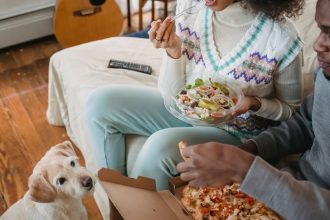
Dogs are naturally curious animals, and many will happily investigate whatever food appears on a kitchen counter or dining table. However, a dog’s willingness to eat something does not mean the food is safe or nutritionally appropriate. Choosing the right foods requires understanding which ingredients support canine health and which ones may create risks.
A healthy dog diet is built around nutritional balance rather than simply offering a wide variety of foods. Whether a dog eats commercial food, occasional treats, or carefully selected human foods, the priority should always be meeting its specific nutritional needs.
The Foundation of a Healthy Dog Diet
Dogs are omnivores, which means they can obtain nutrients from both animal and plant sources. Their digestive systems allow them to process a broader range of foods than strict carnivores, but they still require a diet designed around essential nutrients.
Important components of a balanced dog diet include:
- Protein: Supports muscle maintenance, tissue repair, and normal body functions.
- Healthy fats: Provide energy and help maintain skin and coat condition.
- Carbohydrates: Can provide energy and dietary fiber when included appropriately.
- Vitamins and minerals: Help support immune function, bones, metabolism, and overall health.
- Water: Essential for every major biological process.
Human Foods That Dogs Can Eat Safely
Many everyday foods can be given to dogs as occasional treats when prepared properly. These foods should complement a complete diet rather than replace balanced dog food.
| Food | How It Can Be Offered | Potential Benefit |
|---|---|---|
| Lean meats | Cooked, plain, and without seasoning | Provides protein and essential nutrients. |
| Carrots | Raw or cooked in small portions | Provides fiber and nutrients. |
| Pumpkin | Plain and prepared without additives | May support digestive health because of its fiber content. |
| Apples | Remove seeds and core before serving | Provides vitamins and a crunchy treat option. |
| Blueberries | Given in small amounts | Contains antioxidants and can be used as a treat. |
| Plain cooked eggs | Fully cooked without added oils or seasoning | Provides protein and nutrients. |
Foods Dogs Should Avoid
Some foods that are common in human diets can be harmful or toxic to dogs. The danger may depend on the amount eaten, the size of the dog, and the individual animal’s sensitivity.
- Chocolate: Contains compounds that dogs cannot process efficiently and may cause serious health problems.
- Grapes and raisins: Can cause dangerous reactions in some dogs, including kidney-related complications.
- Onions and garlic: May damage red blood cells when consumed in harmful amounts.
- Xylitol: A sweetener found in some sugar-free products that can cause dangerous blood sugar changes.
- Alcohol: Can negatively affect a dog’s nervous system and overall health.
- Caffeinated drinks: May cause heart and nervous system problems.
Preparation Matters More Than Many Owners Realize
A food that is safe in its natural form may become unhealthy after preparation. Dogs should generally avoid foods containing added salt, spices, sauces, butter, sugar, or artificial sweeteners.
For example, plain cooked chicken may be suitable as an occasional treat, but chicken prepared with garlic, onions, or heavy seasoning can become unsafe. The ingredients added during cooking often create the biggest risk.
Can Dogs Eat Fruits and Vegetables?
Many fruits and vegetables can be appropriate for dogs when served correctly. They can provide fiber, moisture, and additional nutrients. However, they should not replace the main diet because dogs require a specific balance of nutrients.
Owners should also remove seeds, pits, stems, or hard parts that may create choking hazards or contain harmful substances.
How to Introduce New Foods Safely
Even safe foods can cause digestive problems if introduced suddenly. A gradual approach allows owners to observe how their dog responds.
- Introduce only one new food at a time.
- Start with a small portion.
- Monitor for vomiting, diarrhea, itching, or unusual behavior.
- Stop offering the food if negative reactions appear.
Do All Dogs Have the Same Dietary Needs?
No. A dog’s ideal diet depends on several factors, including age, size, activity level, breed characteristics, and health condition.
Puppies need nutrition that supports growth, active dogs may require more energy, and senior dogs may need dietary adjustments based on changes in metabolism or health. A food that works well for one dog may not be suitable for another.
When to Ask a Veterinarian About Diet
Professional advice is especially important when a dog has allergies, digestive problems, chronic illnesses, weight concerns, or when an owner wants to switch to a homemade diet.
A veterinarian can help determine whether a diet provides complete nutrition and whether specific ingredients should be included or avoided.
Final Thoughts
Dogs can enjoy many different foods, but safety and balance are the most important considerations. The best diet is not the one with the most ingredients—it is the one that provides the nutrients a dog needs while avoiding harmful foods.
By understanding safe choices, avoiding risky ingredients, and considering each dog’s individual needs, owners can make better decisions that support long-term health.