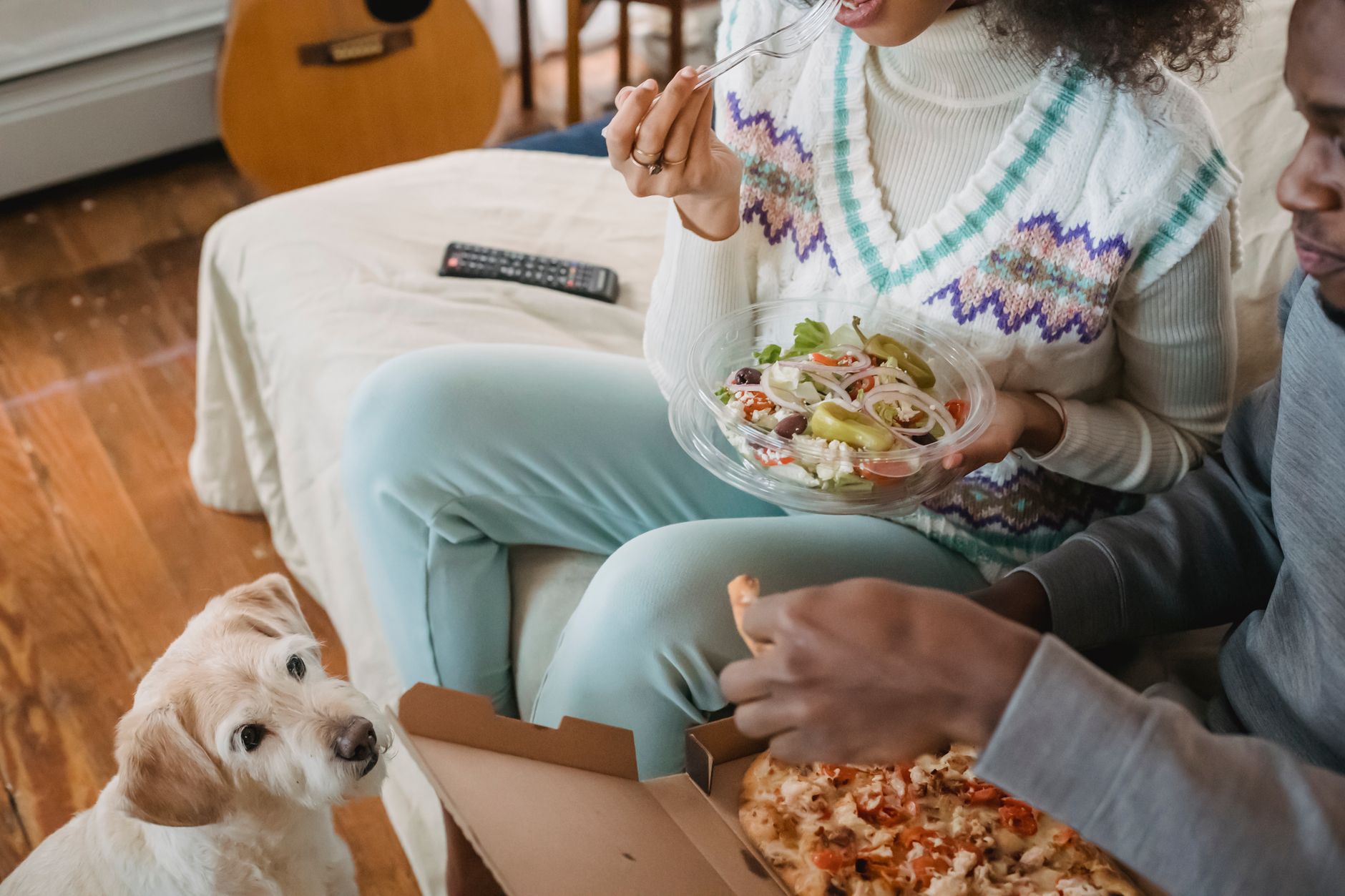
Dogs often show interest when their owners are eating, but sharing food from the table requires more consideration than simply offering a bite. Some human foods can be healthy additions to a dog’s routine, while others may cause serious health problems even in small amounts.
The safest approach is to understand which foods are suitable, how they should be prepared, and how much is appropriate. Human food should be treated as an occasional supplement, not a substitute for a nutritionally complete dog diet.
Human Foods That Are Usually Safe for Dogs
Many basic, unprocessed foods can be enjoyed by dogs when served correctly. Foods without added seasoning, oils, sugar, or artificial ingredients are generally better choices.
- Carrots: A crunchy snack that provides fiber and can be given raw or cooked. Large pieces should be avoided for dogs that may have difficulty chewing.
- Plain pumpkin: Often used as a source of fiber. Only plain pumpkin should be used, not sweetened pumpkin pie filling.
- Green beans: A low-calorie vegetable option when served plain.
- Sweet potatoes: Can be offered cooked and unseasoned.
- Rice: Plain cooked rice is commonly tolerated by many dogs.
Even safe foods should be introduced gradually because individual dogs may react differently to new ingredients.
Protein Sources Dogs Can Eat
Protein-based foods are often appealing to dogs, but preparation is critical. Human cooking methods frequently add ingredients that are unsuitable for pets.
| Food | Safe Preparation | What to Avoid |
|---|---|---|
| Chicken | Cooked, plain, and without bones | Fried chicken, seasoning, sauces, cooked bones |
| Turkey | Plain cooked meat | Processed turkey products with salt or additives |
| Eggs | Fully cooked eggs without added ingredients | Raw preparations or heavily seasoned versions |
| Fish | Cooked and free from bones | Seasoned fish dishes or small bones |
Fruits Dogs Can Enjoy in Moderation
Fruits can provide variety and nutrients, but they also contain natural sugars. They should be offered as occasional treats rather than regular meal components.
- Apples: Remove the seeds and core before serving.
- Blueberries: Small berries can be given as treats.
- Bananas: Suitable in small portions because of their sugar content.
- Watermelon: Remove seeds and rind before offering.
- Peaches: The flesh may be given, but the pit must be removed completely.
Portion control matters with fruit because too much can contribute to digestive upset or unnecessary calories.
Foods Dogs Should Never Eat
Some foods commonly found in homes are dangerous for dogs. These items should not be offered intentionally, and accidental ingestion should be taken seriously.
- Chocolate: Contains compounds that can be toxic to dogs.
- Grapes and raisins: Can cause severe health issues in some dogs.
- Onions and garlic: May damage red blood cells.
- Xylitol: A sweetener found in some sugar-free products that can be highly dangerous.
- Alcohol: Unsafe and potentially poisonous.
- Macadamia nuts: Can cause illness in dogs.
Why Preparation Matters More Than the Food Itself
Many foods become unsafe because of how humans prepare them. A plain ingredient may be acceptable, while the same ingredient in a cooked meal may contain harmful additions.
Common problems include:
- High salt content
- Added fats and oils
- Spices and seasonings
- Garlic or onion ingredients
- Sugar and artificial sweeteners
- Cooked bones that can splinter
How Much Human Food Should a Dog Eat?
Even healthy foods can become problematic when they replace balanced meals or are given in excessive amounts. A dog’s calorie needs depend on factors such as age, size, activity level, and health condition.
Treats, including human foods, should only make up a limited portion of a dog’s daily intake. Large amounts of extra food can contribute to weight gain and nutritional imbalance.
Introducing New Foods Safely
When adding a new food to a dog’s diet, a slow introduction is usually the safest method. This makes it easier to identify whether a specific food causes a negative reaction.
- Introduce one new food at a time.
- Start with a small portion.
- Monitor for vomiting, diarrhea, itching, or changes in appetite.
- Stop offering the food if unusual symptoms appear.
Dogs With Special Health Needs Require Extra Care
Some dogs should not receive additional human foods without veterinary guidance. Dogs with allergies, obesity concerns, diabetes, digestive disorders, or prescription diets may need stricter nutritional control.
A food that is safe for a healthy dog may not be appropriate for every individual animal.
Final Takeaway
Many human foods can be safely shared with dogs when they are simple, properly prepared, and given in moderation. The best choices are usually fresh, unprocessed ingredients without added seasonings or harmful additives.
Responsible sharing is not about giving dogs everything humans eat. It is about choosing foods that support their health while keeping their primary nutrition balanced and complete.