Adopting a dog is more than simply choosing a pet. It is the beginning of a long-term commitment that involves providing care, training, healthcare, and a stable environment. Finding the right place to adopt is an important step because the source of the adoption can influence the dog’s health history, behavior information, and transition into your home.
Dogs are available for adoption through many different organizations, from animal shelters and rescue groups to breed-specific programs and community networks. Understanding the options can help you choose a path that matches your preferences and ability to care for a dog.
Animal Shelters Are One of the Most Common Adoption Options
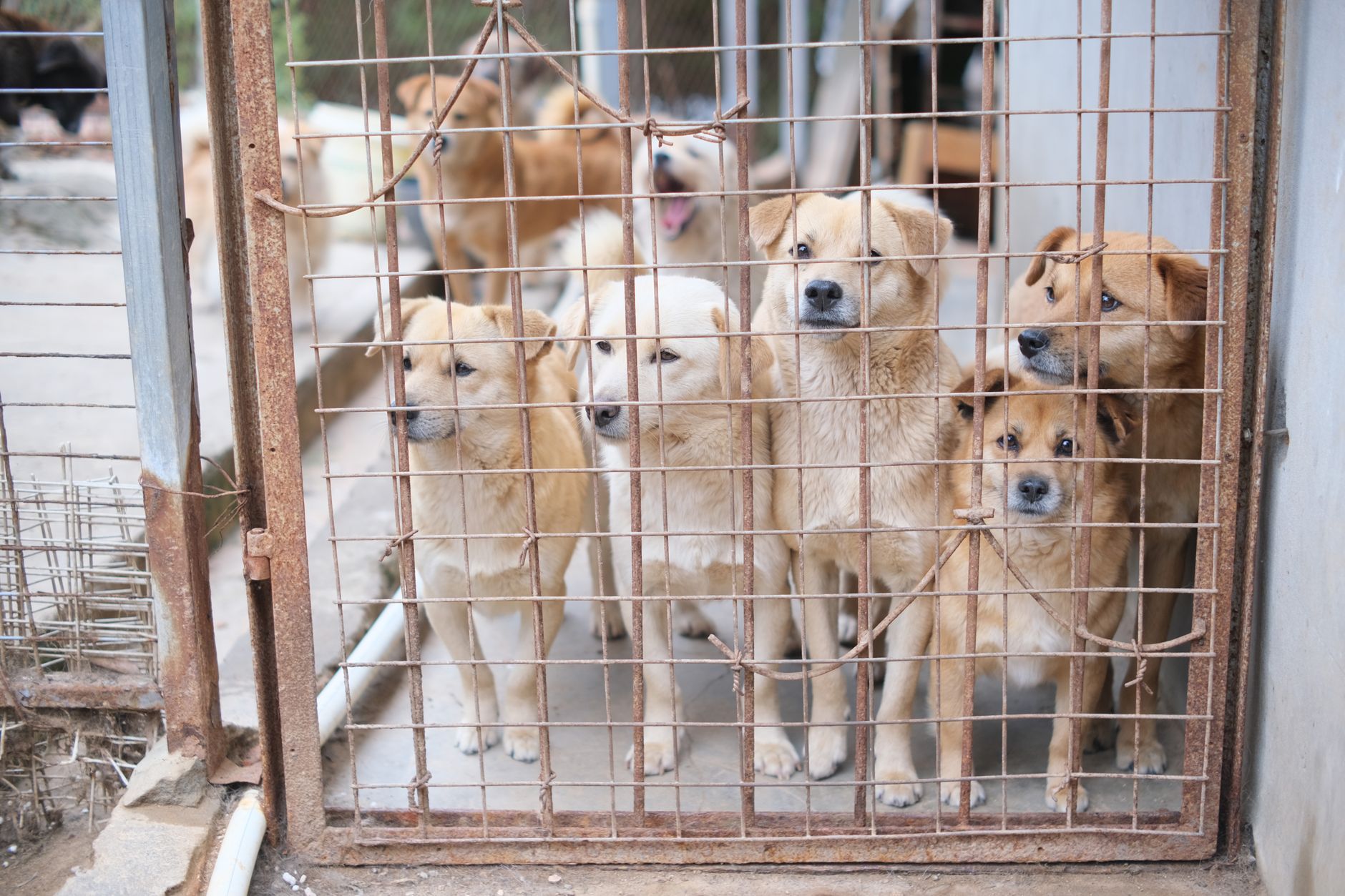
Local animal shelters often care for dogs that have been abandoned, surrendered by previous owners, or rescued from unsafe situations. These organizations usually evaluate dogs before adoption and may provide information about temperament, health, and behavior.
Adopting from a shelter can provide several advantages:
- Wide selection: Shelters often have dogs of different sizes, ages, and personalities.
- Behavior information: Staff may provide insight into the dog’s habits and needs.
- Helping animals in need: Adoption creates space for other animals requiring care.
However, some shelter dogs may have unknown backgrounds. New owners should be prepared to provide patience and training while the dog adjusts to a new environment.
Rescue Organizations Can Help Match Dogs With Suitable Homes
Rescue groups specialize in saving and rehoming dogs. Some focus on specific breeds, while others work with dogs of various backgrounds.
Rescue organizations often provide detailed adoption processes, including applications, interviews, and compatibility checks. This approach can help ensure that the dog’s needs match the adopter’s lifestyle.
Breed-specific rescues may be useful for people who are interested in a particular type of dog but still want to adopt rather than purchase from a breeder.
Adopting Through Community Networks
Some dogs are rehomed directly by owners who can no longer care for them. Community groups, veterinary clinics, and local animal networks may share information about dogs needing new homes.
This option can allow potential adopters to learn more about a dog’s history, personality, and routine. However, it is important to ask detailed questions and verify the dog’s health condition before making a commitment.
What to Check Before Adopting a Dog
Regardless of where you adopt, gathering accurate information about the dog is essential. A responsible adoption decision should include evaluating the dog’s needs and whether they fit your lifestyle.
| Information to Ask About | Why It Matters |
|---|---|
| Age and breed background | Helps estimate activity level, size, and possible care requirements. |
| Medical history | Provides insight into vaccinations, treatments, and ongoing health needs. |
| Temperament | Shows how the dog interacts with people, children, or other animals. |
| Training history | Helps prepare for behavioral expectations and adjustment needs. |
Consider Your Lifestyle Before Choosing a Dog
Finding an adoption location is only part of the process. The dog you choose should match your daily routine and ability to provide care.
- Active owners may prefer dogs that enjoy exercise and outdoor activities.
- Busy households should consider whether they have enough time for training and interaction.
- First-time owners may benefit from dogs with more predictable temperaments.
- Families should consider how the dog responds to children and household activity.
Be Careful With Unverified Online Listings
Online platforms can make it easier to find dogs needing homes, but not every listing is reliable. Potential adopters should be cautious about situations involving unclear histories, pressure to pay quickly, or unwillingness to provide information about the animal.
A responsible adoption process should prioritize the dog’s welfare rather than simply completing a transaction.
Preparing Your Home Before Adoption Day
Bringing a dog home requires preparation. Even dogs with previous household experience may need time to adjust to a new environment.
- Prepare food and water supplies.
- Create a comfortable sleeping area.
- Remove hazards that could harm the dog.
- Plan veterinary care and basic training.
- Give the dog time to become familiar with the new surroundings.
The Best Adoption Choice Is One That Benefits Both Sides
A successful adoption is not only about finding a dog you like. It is about creating a situation where the dog can thrive and the owner can provide consistent care.
Shelters, rescue organizations, and responsible community networks can all be good places to find a companion. By researching carefully and choosing a dog that matches your lifestyle, you increase the chance of building a strong and lasting relationship.