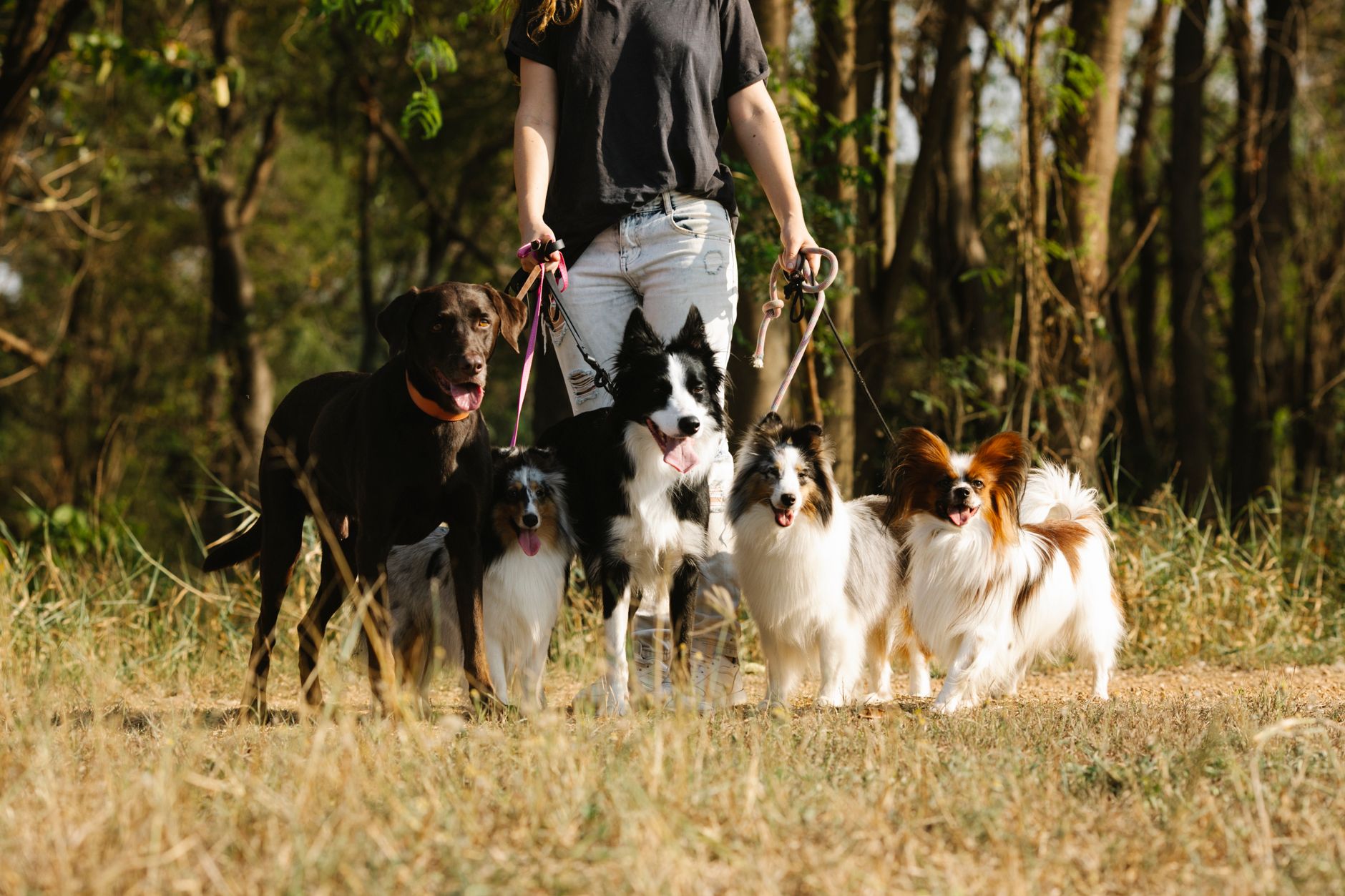
Dogs are one of the most diverse domesticated animals on Earth. From tiny companion dogs that can fit comfortably in a home environment to large working breeds developed for guarding, hunting, or rescue tasks, the variety of dogs reflects thousands of years of human selection and adaptation.
The exact number of dog breeds in the world depends on how a breed is defined and which organizations recognize it. Official registries do not all use the same standards, so estimates can vary.
The Number of Dog Breeds Depends on Breed Recognition
There is no single worldwide count of dog breeds because different kennel organizations have different rules for recognizing breeds. Some groups recognize only established breeds with documented histories, while others include newer or developing breeds.
Major international organizations generally recognize several hundred dog breeds. The total number is commonly estimated at more than 300 officially recognized breeds worldwide, while additional regional and emerging breeds may increase that number.
| Category | Examples | Main Purpose |
|---|---|---|
| Companion dogs | Pomeranian, Chihuahua, Cavalier King Charles Spaniel | Bred primarily for human companionship |
| Working dogs | Rottweiler, Siberian Husky, Boxer | Developed for tasks such as guarding, pulling, or assistance |
| Herding dogs | Border Collie, Australian Shepherd | Used to manage livestock |
| Sporting and hunting dogs | Labrador Retriever, Beagle, Pointer | Bred to assist with hunting activities |
Why Are There So Many Different Types of Dogs?
The diversity of dog breeds comes from selective breeding. For thousands of years, humans have chosen dogs with specific physical traits, behaviors, and abilities to develop animals suited for particular roles.
A farmer may have needed a dog with strong herding instincts, while hunters preferred dogs with excellent tracking abilities. In other cases, people selected dogs mainly for appearance, temperament, or companionship.
Over many generations, these choices created distinct groups of dogs with predictable characteristics.
Dog Breeds Are Usually Grouped by Their Historical Roles
Modern dog classifications often focus on the original purpose of a breed rather than only appearance. Two dogs may look similar but have very different instincts and energy levels because they were developed for different tasks.
Herding breeds
Herding dogs were developed to control and move livestock. Many are highly intelligent, energetic, and responsive to commands because their work required close cooperation with humans.
Working breeds
Working dogs were bred for practical tasks such as guarding property, pulling equipment, or assisting people. They are often recognized for strength, endurance, and reliability.
Sporting breeds
Sporting dogs were developed to assist hunters by locating, retrieving, or tracking game. Many have strong instincts related to movement, scent detection, and retrieving objects.
Toy and companion breeds
Smaller companion breeds were primarily developed to live closely with humans. Their size and temperament often made them suitable for household environments.
Are Mixed-Breed Dogs Counted as Types?
Mixed-breed dogs do not usually count as official breeds because they do not follow a standardized lineage or set of inherited characteristics. However, they represent a significant portion of the global dog population.
Some mixed dogs are intentionally bred from specific combinations of breeds, while others develop naturally through generations of different ancestry. Their appearance, behavior, and health traits can vary widely.
Not Every Recognized Breed Is Common Worldwide
Some dog breeds are internationally popular, while others remain closely associated with specific regions. Climate, geography, local traditions, and historical needs have influenced which breeds developed and remained common in different areas.
For example, breeds developed in colder environments often have physical traits suited for low temperatures, while breeds from warmer regions may have characteristics that help them tolerate heat.
Choosing a Dog Requires More Than Looking at Breed Appearance
The number of dog breeds available gives people many choices, but appearance alone does not determine whether a dog is a good match for a household. Each breed has different exercise needs, grooming requirements, behavior patterns, and health considerations.
A responsible choice involves understanding the breed’s history and typical traits, then comparing those needs with the owner’s lifestyle and ability to provide care.
The Variety of Dogs Reflects a Long Human-Animal Partnership
The hundreds of dog breeds found around the world are the result of a long relationship between humans and dogs. Their differences show how selective breeding shaped animals for specific environments, tasks, and relationships.
While the exact number of dog breeds changes depending on recognition standards, the diversity of domestic dogs remains one of the clearest examples of how humans and animals have influenced each other’s development over history.