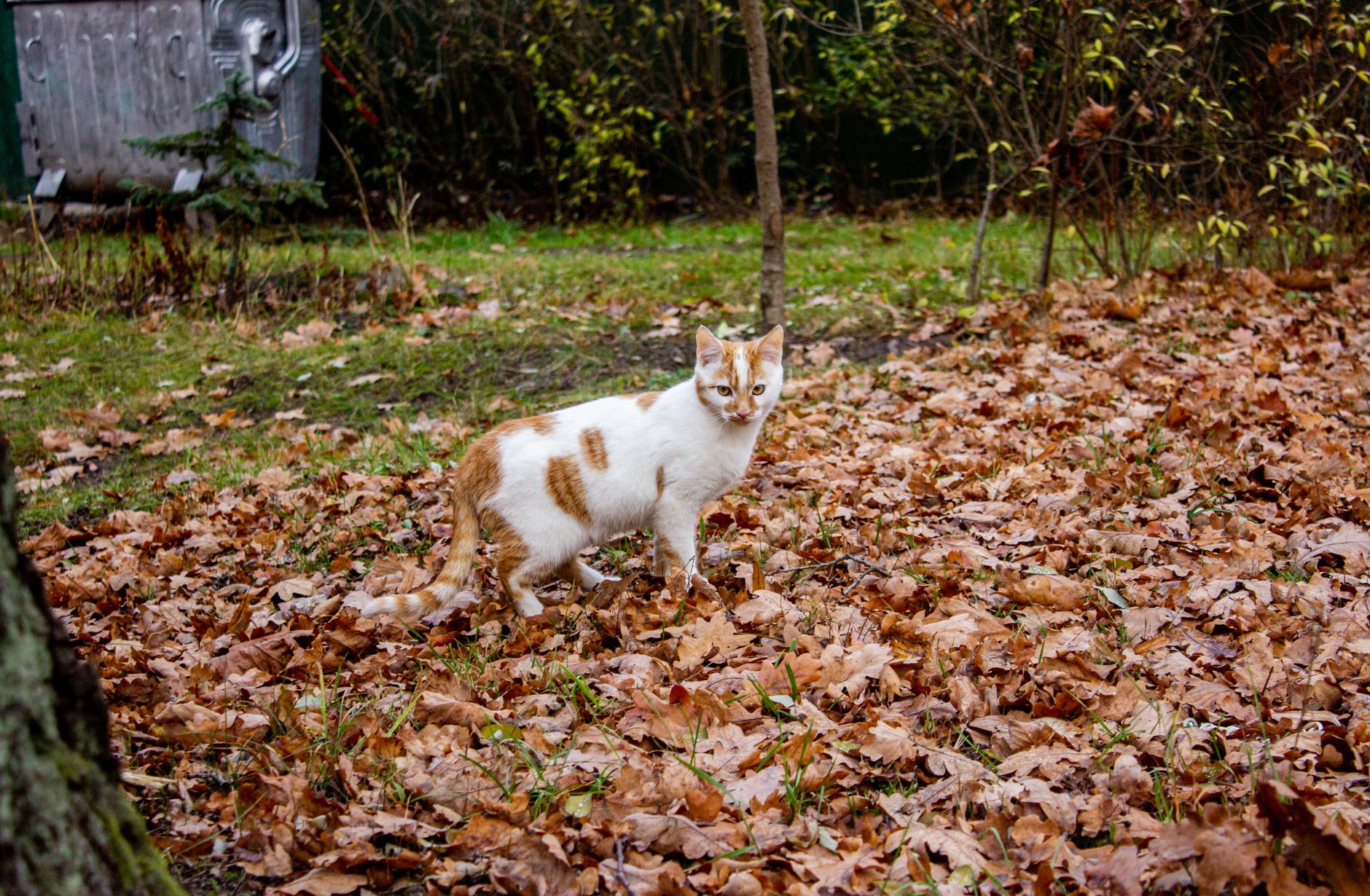
Your cat is pooping outside the litter tray because of medical pain, litter tray aversion, stress, mobility problems, or negative past experiences. This behavior is not spiteful. It is a signal that something about the cat’s health or environment is wrong.
Why Litter Tray Problems Often Involve Pooping First
Defecation outside the tray often appears before urination problems. Pooping requires more time and physical effort.
Reasons Pooping Is Affected First
- Pooping takes longer than urinating
- It requires a comfortable posture
- Pain is more noticeable during defecation
Medical Causes of Pooping Outside the Litter Tray
Medical issues must always be ruled out first.
Common Medical Causes
- Constipation
- Diarrhea or soft stools
- Inflammatory bowel disease (IBD)
Signs the Problem Is Medical
Medical causes often show additional symptoms.
Warning Signs
- Straining or crying while pooping
- Hard, dry stools or very loose stools
- Changes in appetite or weight
Constipation as a Major Cause
Constipation makes litter tray use painful. Cats avoid the tray to escape discomfort.
Why Constipated Cats Avoid the Tray
- Painful bowel movements
- Fear associated with the tray
- Urgency before reaching the tray
Diarrhea and Urgency Problems
Loose stools reduce control. Cats may not reach the tray in time.
Causes of Diarrhea
- Diet changes
- Food intolerances
- Parasites or infections
Arthritis and Mobility Issues
Older cats often struggle physically.
How Mobility Affects Tray Use
- Difficulty stepping into high-sided trays
- Pain while squatting
- Inability to reach distant trays
Litter Tray Aversion
Cats avoid trays they dislike. Even small changes matter.
Common Causes of Tray Aversion
- Dirty trays
- Scented or uncomfortable litter
- Covered or enclosed trays
Litter Type and Texture Issues
Paw sensitivity affects acceptance.
Litter Problems That Trigger Avoidance
- Sharp or pellet-style litter
- Strong fragrances
- Dusty litter causing irritation
Litter Tray Location Problems
Privacy and safety matter.
Location Mistakes
- Noisy areas
- High-traffic zones
- Blocked or difficult access
Stress and Anxiety Triggers
Stress disrupts normal elimination behavior.
Common Stressors
- New pets or people
- Household changes
- Conflict with other cats
Multi-Cat Household Issues
Competition for resources is common.
Multi-Cat Problems
- Blocking access to trays
- Territorial intimidation
- Insufficient number of trays
Negative Past Experiences
One bad experience can create lasting aversion.
Examples of Negative Associations
- Loud noises while using the tray
- Painful bowel movement
- Being startled or attacked
Why Cats Poop Near the Litter Tray
Pooping near the tray shows intent to use it.
What This Behavior Means
- The cat knows where to go
- The tray itself is the problem
- Access or comfort is compromised
What to Do Immediately
Quick action prevents habit formation.
Immediate Steps
- Clean accidents thoroughly with enzymatic cleaners
- Add an extra litter tray
- Observe stool quality closely
How to Fix Litter Tray Setup
Proper setup solves many cases.
Best Practice Setup
- One tray per cat plus one extra
- Large, uncovered trays
- Low entry for easy access
How to Reduce Stress
Reducing anxiety restores normal behavior.
Stress-Reduction Strategies
- Maintain consistent routines
- Use pheromone diffusers
- Provide vertical space and hiding spots
Why Punishment Never Works
Punishment increases fear and avoidance.
Negative Effects of Punishment
- Increased anxiety
- More hidden accidents
- Broken trust
When to See a Veterinarian
Medical causes must be ruled out.
Vet Visit Is Necessary If
- Behavior started suddenly
- Pain or straining is observed
- Diarrhea or constipation persists
How Long It Takes to Fix the Problem
Resolution depends on the cause.
Expected Timelines
- Medical treatment: days to weeks
- Litter tray changes: 1–2 weeks
- Stress reduction: several weeks
Preventing Future Litter Tray Problems
Prevention relies on consistency.
Prevention Strategies
- Regular veterinary checkups
- Daily litter tray maintenance
- Stable home environment
Final Takeaways
Your cat is pooping outside the litter tray because something is wrong, not out of defiance. Medical pain, litter tray aversion, stress, and mobility issues are the most common causes. Once the root issue is addressed, this behavior can be resolved permanently.