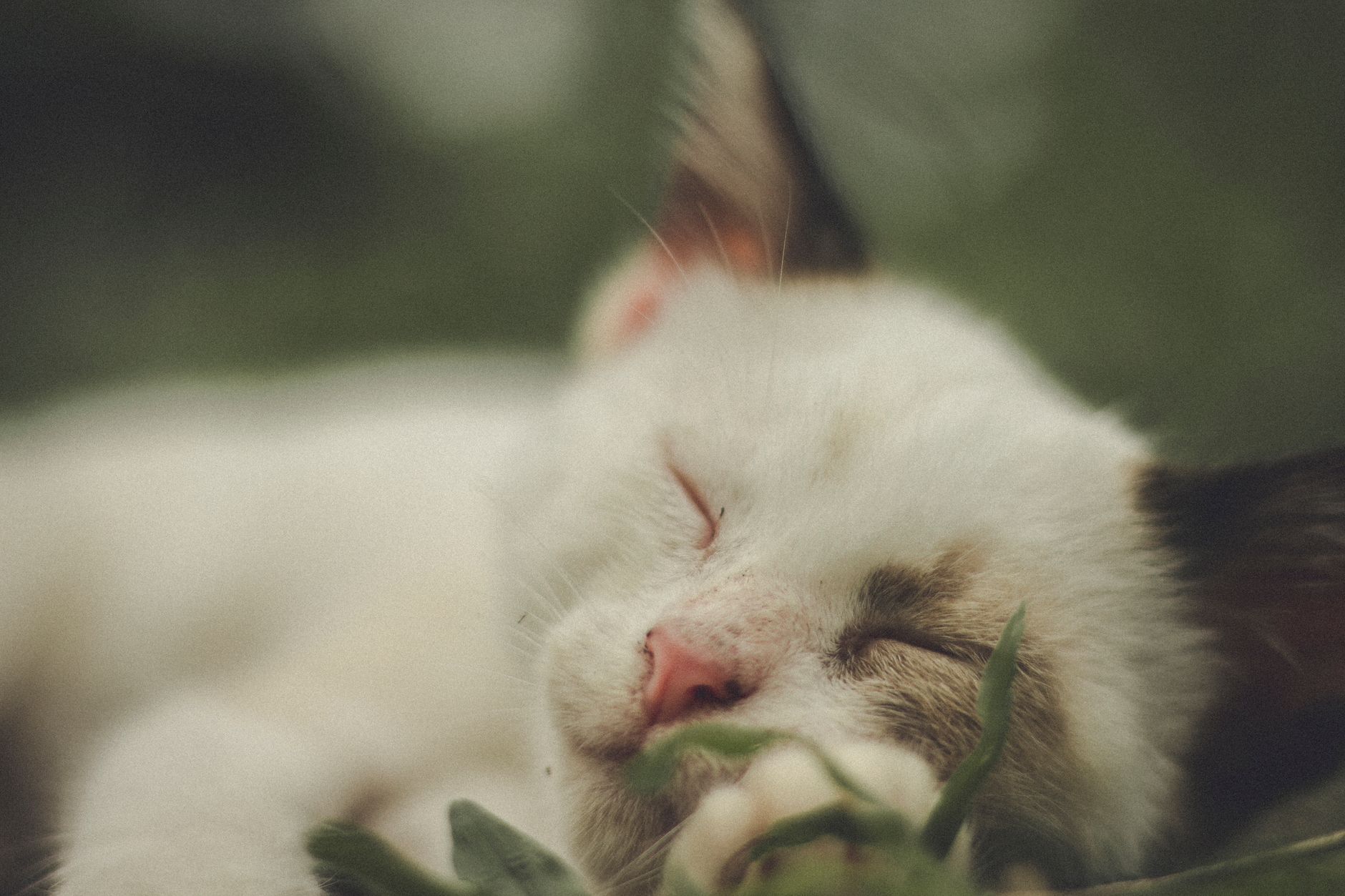
Watching a cat suddenly move its paws, whiskers, ears, or tail while sleeping can be surprising. Some owners may wonder whether their cat is dreaming, having a health problem, or experiencing discomfort. In most cases, these small movements are a normal part of feline sleep behavior.
Cats have complex sleep cycles that include periods of light rest and deeper sleep. The occasional twitch during these stages is usually connected to normal brain activity, muscle responses, and natural behaviors inherited from their hunting ancestors.
The Most Common Reason Cats Twitch in Their Sleep
The primary explanation for sleep twitching in cats is the transition into deeper stages of sleep, especially REM (rapid eye movement) sleep. During REM sleep, the brain remains active while the body enters a relaxed state.
This stage is associated with dreaming in many mammals. Although cats cannot explain what they experience while sleeping, their brain activity during REM sleep suggests they may process memories, experiences, and daily events.
During this time, signals from the brain can occasionally trigger small involuntary movements, causing a sleeping cat to:
- Move its paws as if walking or chasing something.
- Twitch its whiskers or facial muscles.
- Flick its ears or move its tail.
- Make small sounds such as soft meows or chirps.
What Your Cat May Be Experiencing While Dreaming
Cats spend a significant amount of time sleeping, and sleep plays an important role in memory processing and recovery. Similar to humans and other animals, cats may replay parts of their daily experiences during sleep.
A cat that twitches after spending the day exploring, playing, or interacting with people may simply be processing those experiences. A kitten may twitch frequently because sleep supports important stages of growth and nervous system development.
Normal Sleep Movements vs Signs of a Problem
Occasional twitching is generally not a reason for concern. The key factor is the overall condition of the cat before, during, and after sleep.
| Usually Normal | May Require Veterinary Attention |
|---|---|
| Small paw, whisker, ear, or tail movements during sleep | Violent full-body shaking that appears uncontrolled |
| Brief movements that stop when the cat wakes | Confusion, weakness, or unusual behavior after waking |
| Occasional sounds during dreaming | Repeated episodes that resemble seizures |
| Normal appetite, activity, and behavior outside sleep | Other symptoms such as loss of balance or illness |
How Sleep Twitching Differs From Seizures
One concern many owners have is whether sleep twitching could indicate a seizure. While both involve involuntary movements, they usually appear different.
Normal sleep twitching is typically brief, limited to certain body parts, and occurs while the cat remains relaxed. A seizure may involve stronger, repetitive movements and can be accompanied by other signs such as stiffness, drooling, loss of awareness, or unusual behavior afterward.
If you are unsure whether a movement is normal, recording a short video can help a veterinarian evaluate what is happening.
Why Cats Sleep in Such a Way
Cats are naturally adapted for conserving energy. Their wild ancestors spent long periods resting before using short bursts of intense energy to hunt. This evolutionary pattern remains visible in domestic cats today.
Because cats spend many hours sleeping, owners have more opportunities to notice small movements that occur during rest. These behaviors are often simply part of their normal biology.
Should You Wake a Cat That Is Twitching?
In most situations, it is better not to wake a sleeping cat unnecessarily. Sudden interruption during deep sleep can startle a cat and may cause confusion or a defensive reaction.
Allowing your cat to complete its sleep cycle helps maintain normal rest patterns. Monitoring quietly is usually the best approach unless the movement appears abnormal or concerning.
When to Contact a Veterinarian
Sleep twitching alone is usually harmless, but changes in your cat’s health or behavior should be taken seriously. Consider seeking veterinary advice if you notice:
- Frequent episodes that appear to happen outside normal sleep.
- Strong body shaking or repeated uncontrolled movements.
- Difficulty standing or walking after an episode.
- Changes in appetite, energy level, or personality.
- Signs of pain or distress.
A Small Twitch Is Usually Part of Normal Cat Sleep
A cat moving its paws or whiskers while asleep is usually a normal result of brain activity during rest. These movements often reflect the complexity of feline sleep rather than a sign of illness.
The best way to judge whether your cat’s sleep behavior is healthy is to consider the bigger picture: normal eating habits, regular activity, and consistent behavior are strong indicators that occasional twitching is simply part of being a cat.