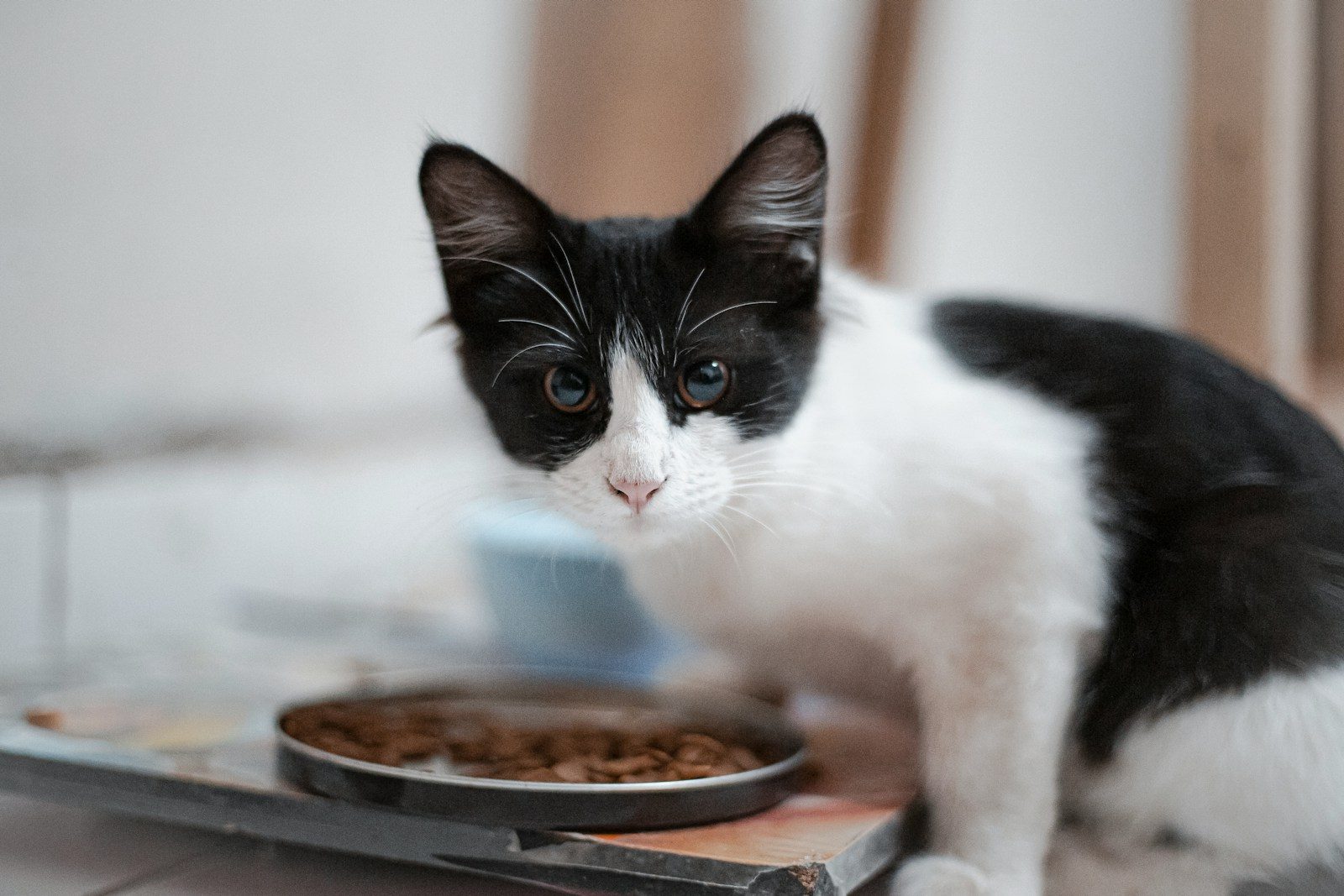
If you share your home with a cat, you’ve almost certainly felt it.
The slow press.
The alternating paws.
The focused little face.
From a pawrent’s point of view, “making biscuits” can feel adorable, confusing, or mildly painful—especially if claws are involved.
So why do cats do it?
The simple answer is this:
Cats make biscuits because it’s an instinctive behavior tied to comfort, bonding, and emotional security.
But that instinct sticks around for life—and it shows up in very personal ways.
The Quick Pawrent Answer (Right Away)
Cats make biscuits because:
-
It’s a leftover kitten instinct
-
It helps them feel safe and calm
-
It’s linked to bonding and affection
-
It may help them self-soothe
In short: kneading = comfort + trust.
What “Making Biscuits” Actually Means
“Making biscuits” is the informal term for kneading.
Kneading is the rhythmic pressing of:
-
One paw
-
Then the other
-
Repeatedly
Cats knead:
-
Soft surfaces
-
Humans
-
Blankets
-
Other cats
It’s purposeful—not random movement.
The Kitten Connection: Where It All Begins
Kneading starts in kittenhood.
Nursing kittens:
-
Press their paws against their mother
-
Stimulate milk flow
-
Feel warmth and security
That sensation becomes hardwired comfort.
As cats grow, the behavior stays—even when milk is no longer involved.
Why Adult Cats Still Knead
From a pawrent’s perspective, adult kneading seems unnecessary—but emotionally, it still serves a purpose.
Adult cats knead to:
-
Recreate feelings of safety
-
Release stress
-
Express contentment
It’s a self-soothing behavior, much like humans fidgeting or hugging pillows.
Why Cats Knead People Specifically
When a cat kneads you, it’s meaningful.
It usually means:
-
You’re a safe figure
-
Your scent is comforting
-
Your warmth feels familiar
This is not dominance—it’s trust.
The Role of Scent Glands in Kneading
Cats have scent glands in their paws.
When they knead:
-
They release pheromones
-
They mark the surface
-
They reinforce familiarity
So kneading isn’t just emotional—it’s chemical communication.
Why Cats Knead Soft Materials
Cats prefer kneading:
-
Blankets
-
Pillows
-
Clothing
-
Beds
These surfaces:
-
Mimic fur
-
Absorb scent
-
Provide resistance
That’s why your favorite blanket becomes their favorite bakery.
Why Some Cats Knead With Claws Out
Claw extension during kneading is:
-
Normal
-
Instinctive
-
Not intentional harm
In the wild, claws helped:
-
Grip surfaces
-
Prepare resting spots
Trimming nails helps protect skin without stopping the behavior.
Kneading and Purring: Why They Happen Together
Kneading often comes with:
-
Purring
-
Slow blinking
-
Relaxed posture
These signs together indicate:
-
Deep comfort
-
Emotional safety
-
Contentment
It’s one of the clearest signs your cat feels secure.
Do All Cats Make Biscuits?
No.
Some cats:
-
Knead rarely
-
Stop kneading early
-
Never knead at all
Lack of kneading does not mean lack of affection.
Cats express comfort differently.
Does Kneading Mean a Cat Was Weaned Too Early?
Sometimes—but not always.
Cats weaned early:
-
May knead more intensely
-
May suckle fabric while kneading
But many normally weaned cats knead too. It’s not a diagnosis.
Is Kneading Ever a Sign of Stress?
Usually, kneading indicates calm.
However, excessive kneading combined with:
-
Overgrooming
-
Anxiety behaviors
-
Changes in routine
May signal emotional stress. Context matters.
Kneading vs Making a Nest
In the wild, kneading also helped cats:
-
Flatten grass
-
Check safety
-
Create sleeping areas
This nesting behavior carries into domestic life.
Why Cats Knead Before Sleeping
Many cats knead right before lying down.
This helps them:
-
Relax muscles
-
Transition into rest
-
Settle emotionally
It’s like fluffing a pillow.
Can You Train a Cat Not to Knead?
You shouldn’t stop kneading entirely.
But you can:
-
Place a thick blanket on your lap
-
Redirect paws gently
-
Trim nails regularly
Never punish kneading—it’s a comfort behavior.
Why Kneading Can Feel Intense or Serious
Cats often knead with focus.
That intensity comes from:
-
Deep instinct
-
Emotional engagement
-
Sensory satisfaction
Your cat isn’t zoning out—they’re feeling safe.
Kneading and Hormones: Is There a Link?
Kneading is not sexual behavior.
It:
-
Occurs in neutered cats
-
Happens in both sexes
-
Appears across all ages
Hormones are not the driver.
Why Cats Knead More at Certain Times
Cats knead more:
-
When relaxed
-
During quiet bonding moments
-
When routines feel stable
Consistency encourages comfort behaviors.
Pawrent Perspective: When Biscuits Hurt
Let’s be honest.
Kneading can hurt—especially on bare skin.
Solutions:
-
Keep nails trimmed
-
Add a barrier
-
Gently reposition
Protect yourself without rejecting the affection.
What Kneading Says About Your Relationship
When your cat kneads you, they’re saying:
“I trust you. I feel safe here.”
That’s not something cats give lightly.
Why This Behavior Never Goes Away
Kneading stays because:
-
It works emotionally
-
It’s rewarding
-
It reinforces safety
It’s one of the few kitten behaviors that often lasts a lifetime.
Final Pawrent Perspective: Why Do Cats Make Biscuits?
From a pawrent’s point of view:
-
Kneading is instinctive
-
It signals comfort and trust
-
It’s tied to early bonding
-
It helps cats self-soothe
So when your cat starts baking on you, remember:
You’re not just a surface—you’re home.