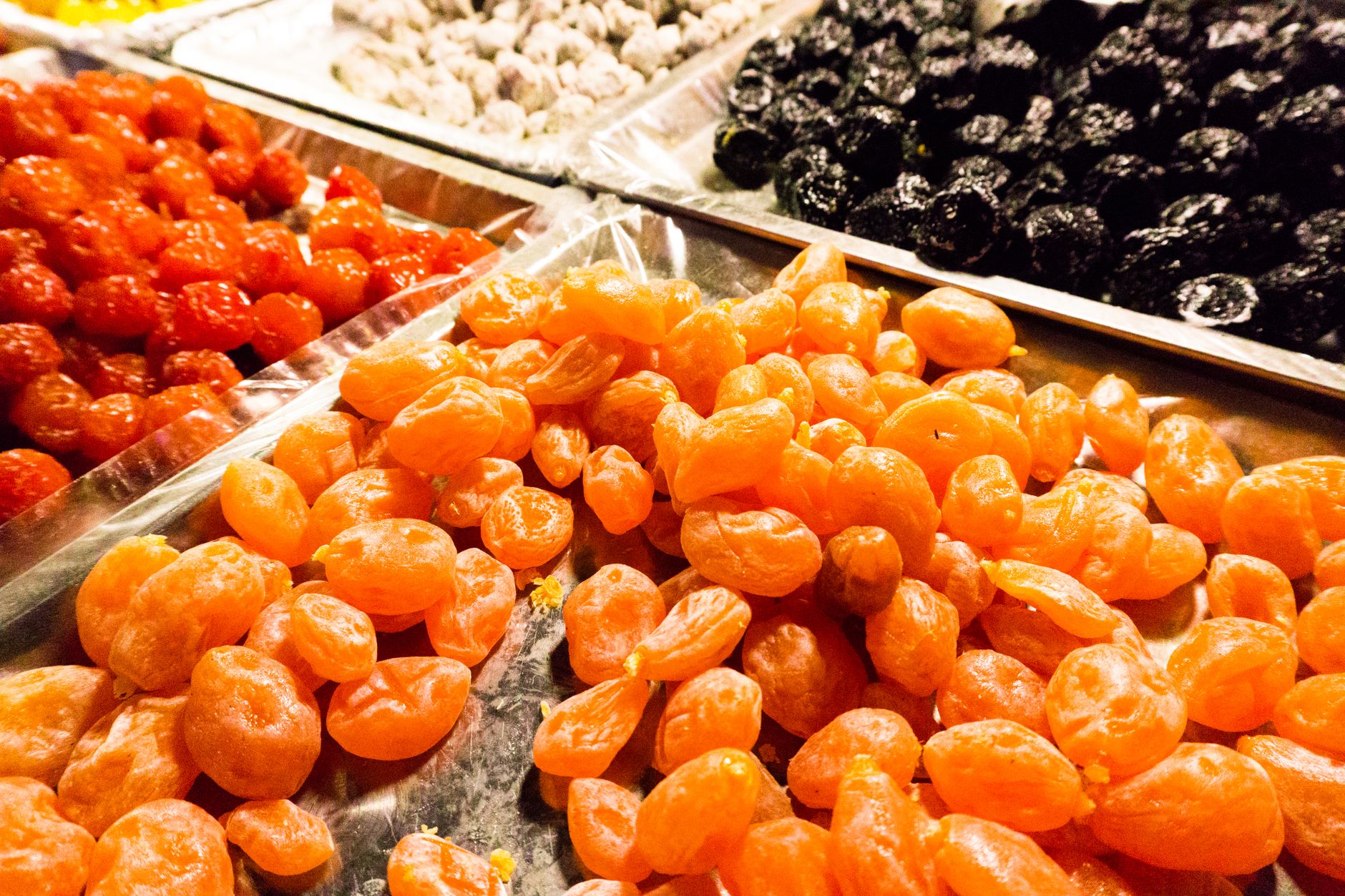
Prunes are a common human snack known for their fiber content and digestive benefits, but they are not an ideal treat for dogs. While a small amount of plain prune flesh may not always cause serious problems, prunes can create several health concerns that make them a poor choice for regular feeding.
Understanding how prunes affect dogs requires looking beyond whether a food is technically edible. A suitable dog treat should also consider digestion, sugar content, choking risks, and the possibility of harmful ingredients or reactions.
Why Prunes Are Not Recommended for Dogs
Prunes are dried plums, meaning they contain a much higher concentration of natural sugars and fiber compared with fresh fruit. A dog’s digestive system is not designed to handle large amounts of concentrated fruit sugars or certain types of fiber.
Eating prunes may lead to digestive problems such as:
- Diarrhea
- Gas and stomach discomfort
- Vomiting
- Abdominal pain
- Changes in bowel movements
Dogs that are smaller, elderly, or have sensitive stomachs may be more likely to experience problems after eating unfamiliar foods.
The Main Risks of Feeding Prunes to Dogs
| Risk | Why It Matters |
|---|---|
| High sugar content | Too much sugar can contribute to unhealthy weight gain and may be unsuitable for dogs with certain health conditions. |
| Digestive upset | The concentrated fiber in dried fruit can cause diarrhea or stomach discomfort. |
| Prune pits | Pits can create choking hazards and may cause intestinal blockage if swallowed. |
| Added ingredients | Some packaged prunes may contain sweeteners, preservatives, or other ingredients that are unsafe for dogs. |
Are Prune Pits Dangerous for Dogs?
The pit is one of the biggest concerns with plums and prunes. Dogs should never be given fruit pits because they can become a physical hazard.
A swallowed pit may become lodged in the digestive tract, potentially causing an obstruction that requires veterinary attention. In addition, fruit pits from some stone fruits contain compounds that can be harmful when consumed.
If a dog accidentally eats a prune pit, owners should monitor the animal closely and contact a veterinarian for advice, especially if symptoms appear.
What Happens If a Dog Eats a Small Amount of Prune?
A small piece of plain prune without the pit may not cause a serious reaction in every dog. However, it is still not considered a beneficial food choice because the risks outweigh the nutritional advantages.
After accidental consumption, watch for signs such as:
- Repeated vomiting
- Loose stool or diarrhea
- Lethargy
- Loss of appetite
- Signs of abdominal discomfort
If a large quantity is eaten or a pit is swallowed, veterinary guidance is recommended.
Healthier Fruit Options for Dogs
Dogs can enjoy some fruits as occasional treats when they are prepared safely. Better options generally include fruits that are lower in risk and served in appropriate portions.
- Apples: Can be offered after removing seeds and the core.
- Blueberries: Small berries that can be given as occasional treats.
- Strawberries: Provide flavor variety when served in moderation.
- Watermelon: Can be refreshing when seeds and rind are removed.
Even safe fruits should only make up a small part of a dog’s overall diet. A complete and balanced dog food should remain the primary source of nutrition.
How to Choose Safe Treats for Your Dog
When deciding whether a human food is suitable for a dog, consider more than just whether the food is edible. Important factors include the ingredients, preparation method, portion size, and the individual dog’s health.
- Check whether the food contains toxic ingredients.
- Avoid foods with seeds, pits, or choking hazards.
- Introduce new foods in very small amounts.
- Stop giving the food if digestive problems occur.
Final Thoughts
Dogs can sometimes eat small amounts of many human foods, but that does not mean every food is a good choice. Prunes are best avoided because their high sugar content, digestive effects, and potential pit hazards provide little benefit compared with safer alternatives.
Choosing dog-friendly treats and maintaining a balanced diet are more reliable ways to support long-term pet health.