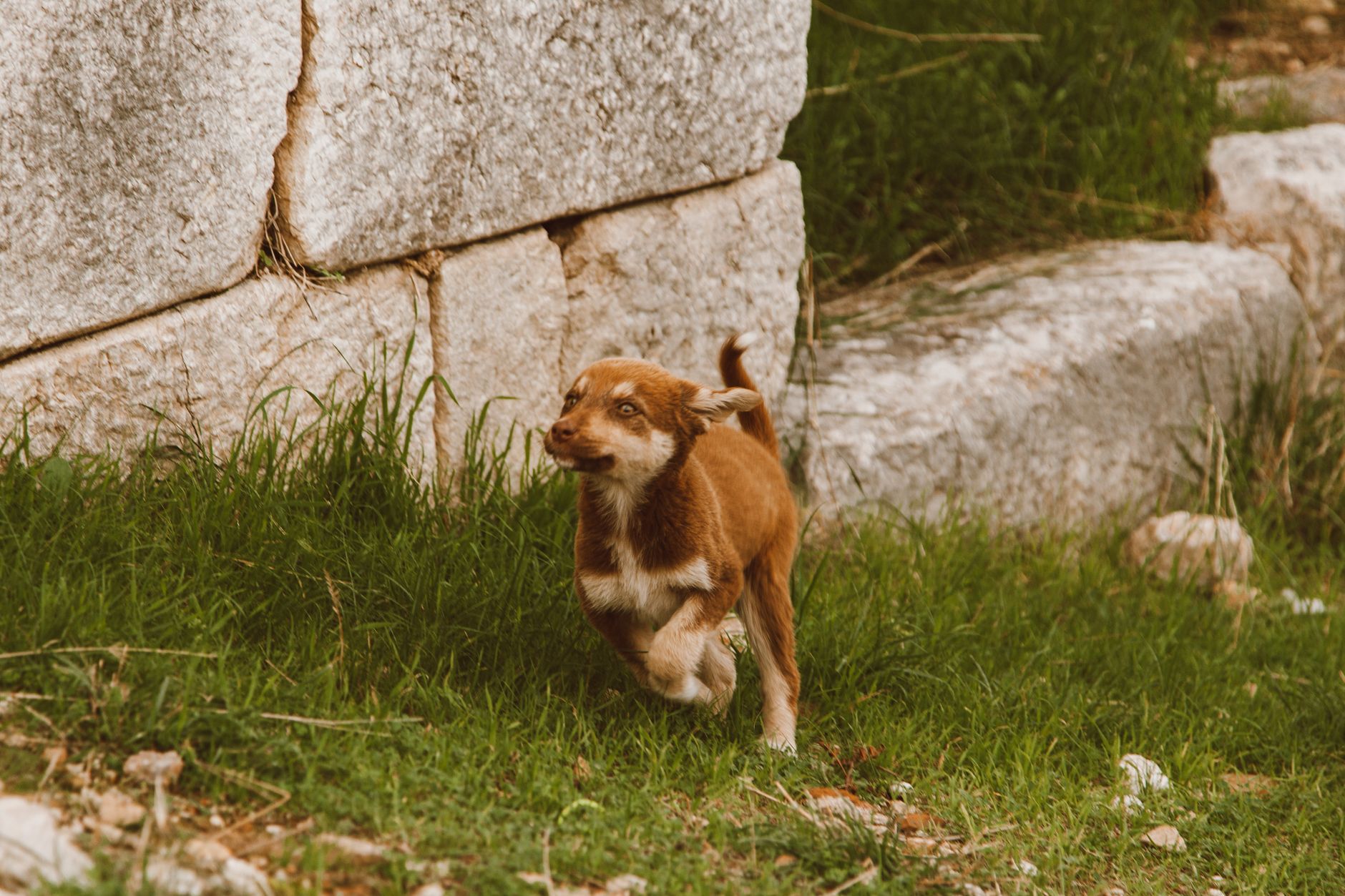
A wagging tail is one of the most recognizable behaviors in dogs, but it does not always mean a dog is happy. Tail movement is part of a complex communication system that combines body posture, facial expression, ear position, and the situation around the dog.
Learning how to interpret a dog’s tail can help owners better understand emotions such as excitement, confidence, fear, uncertainty, or stress. The key is not only looking at whether the tail moves, but also how it moves and what the rest of the body is communicating.
A Dog’s Tail Is a Communication Tool
Dogs use their tails as a form of body language. Because dogs cannot communicate through human speech, they rely on physical signals to interact with people and other animals.
Tail movement can provide information about a dog’s emotional state, intentions, and level of comfort. However, the same type of wag can have different meanings depending on the context.
For example, a dog wagging its tail while greeting a familiar person may show excitement, while a dog wagging its tail stiffly during an unfamiliar encounter may be displaying alertness rather than friendliness.
Different Tail Wags Can Mean Different Things
| Tail Behavior | Possible Meaning |
|---|---|
| Loose, relaxed wag | Often associated with comfort, friendliness, and positive engagement. |
| Fast wag with whole-body movement | May indicate excitement, enthusiasm, or strong interest. |
| Slow wag with a stiff body | Can indicate uncertainty, focus, or caution. |
| Tail held low or tucked | Often associated with fear, anxiety, or submission. |
| Tail held high and rigid | May signal confidence, alertness, or a heightened emotional state. |
Why Context Matters When Reading a Dog’s Tail
Interpreting a dog’s tail in isolation can lead to misunderstandings. A wagging tail does not automatically mean a dog wants to be approached or touched.
Owners should consider other signals, including:
- Body posture: A relaxed body usually suggests comfort, while a tense or frozen posture may indicate stress.
- Facial expression: Soft eyes and a relaxed mouth often differ from signs of fear or discomfort.
- Ear position: Forward, relaxed, or pinned-back ears can provide additional emotional clues.
- Environment: A dog’s reaction may change depending on whether it is meeting a stranger, playing, eating, or facing something unfamiliar.
The Science Behind Tail Wagging
Tail movement developed as part of canine social communication. Dogs are social animals, and clear signals help them interact with members of their own species and with humans.
Research on canine behavior has shown that the direction and style of tail movement may also provide information. Some studies suggest that dogs may display different tail patterns depending on whether they are experiencing positive or negative emotions, although interpretation still requires looking at the entire body language of the animal.
Tail Position Can Reveal a Dog’s Emotional State
The position of a dog’s tail often communicates more than movement alone. A relaxed dog may carry its tail in a natural position, while emotional changes can cause the tail to rise, lower, or become rigid.
- Relaxed position: Usually indicates a calm and comfortable state.
- Raised tail: May indicate confidence, excitement, or increased attention.
- Lowered tail: Can suggest nervousness, fear, or submission.
- Tucked tail: Often appears when a dog feels threatened or highly uncomfortable.
Why Some Dogs Wag Their Tails More Than Others
Tail behavior varies between individual dogs. Breed characteristics, personality, genetics, and previous experiences can influence how a dog uses its tail.
Some dogs naturally have more expressive tails, while others may communicate more through facial expressions, posture, or vocal sounds. Dogs with short or naturally curled tails may also rely more heavily on other forms of body language.
How Owners Can Respond to Tail Signals
Understanding tail language can improve interactions between humans and dogs. Instead of assuming every wag means the dog wants attention, owners should observe the complete behavior pattern.
- Look at the dog’s overall body posture before approaching.
- Consider the situation causing the dog’s reaction.
- Respect signs of discomfort or stress.
- Allow unfamiliar dogs to approach at their own pace.
The Bigger Picture: Reading the Whole Dog
A dog’s tail is only one part of a much larger communication system. Accurate interpretation comes from combining multiple signals rather than focusing on a single behavior.
By learning how dogs use their tails along with other body cues, owners can build stronger relationships, prevent misunderstandings, and create interactions that are more comfortable for both humans and animals.