Wolves and dogs share many similarities, from their body structure and social behavior to their communication methods. This close relationship often leads people to ask whether a wolf is simply a wild version of a dog. The answer is more complex: wolves and domestic dogs are closely related, but they are not the same animal.
Modern dogs are descendants of ancient wolf populations, but thousands of years of domestication have changed dogs in important ways. Their genetics, behavior, and relationship with humans have developed differently from their wild relatives.
The Scientific Relationship Between Wolves and Dogs
Domestic dogs and wolves belong to the same biological family, Canidae, which includes other animals such as foxes and coyotes. Dogs are classified as Canis lupus familiaris, while gray wolves are classified as Canis lupus.
This classification shows that dogs are considered a subspecies of the gray wolf. However, being closely related does not mean they are identical. Similar to how different breeds of dogs can vary greatly, wolves and dogs have developed distinct traits over time.
| Feature | Dogs | Wolves |
|---|---|---|
| Relationship with humans | Domesticated and adapted to living with people | Wild animals that avoid or cautiously interact with humans |
| Behavior | Often responsive to human communication and training | More independent and survival-focused |
| Physical variation | Wide range of sizes, shapes, and appearances | More consistent wild appearance |
| Diet | Adapted to various diets provided by humans | Mainly relies on hunting and natural food sources |
How Dogs Developed From Wolves
Scientists believe dog domestication began thousands of years ago when some wolf populations started living closer to human communities. Wolves that were less fearful and more comfortable around humans may have gained advantages by accessing food scraps and shelter.
Over many generations, humans and these early domesticated wolves formed a closer relationship. Selective breeding gradually influenced traits such as size, temperament, appearance, and ability to work alongside people.
This process eventually produced the wide variety of domestic dogs found today, from small companion breeds to large working dogs.
Why Dogs Behave Differently From Wolves
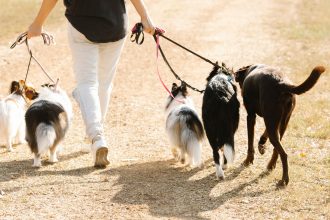
One of the biggest differences between dogs and wolves is their relationship with humans. Dogs have evolved to understand human signals, including gestures, voices, and routines. Many dogs naturally seek human attention and cooperation.
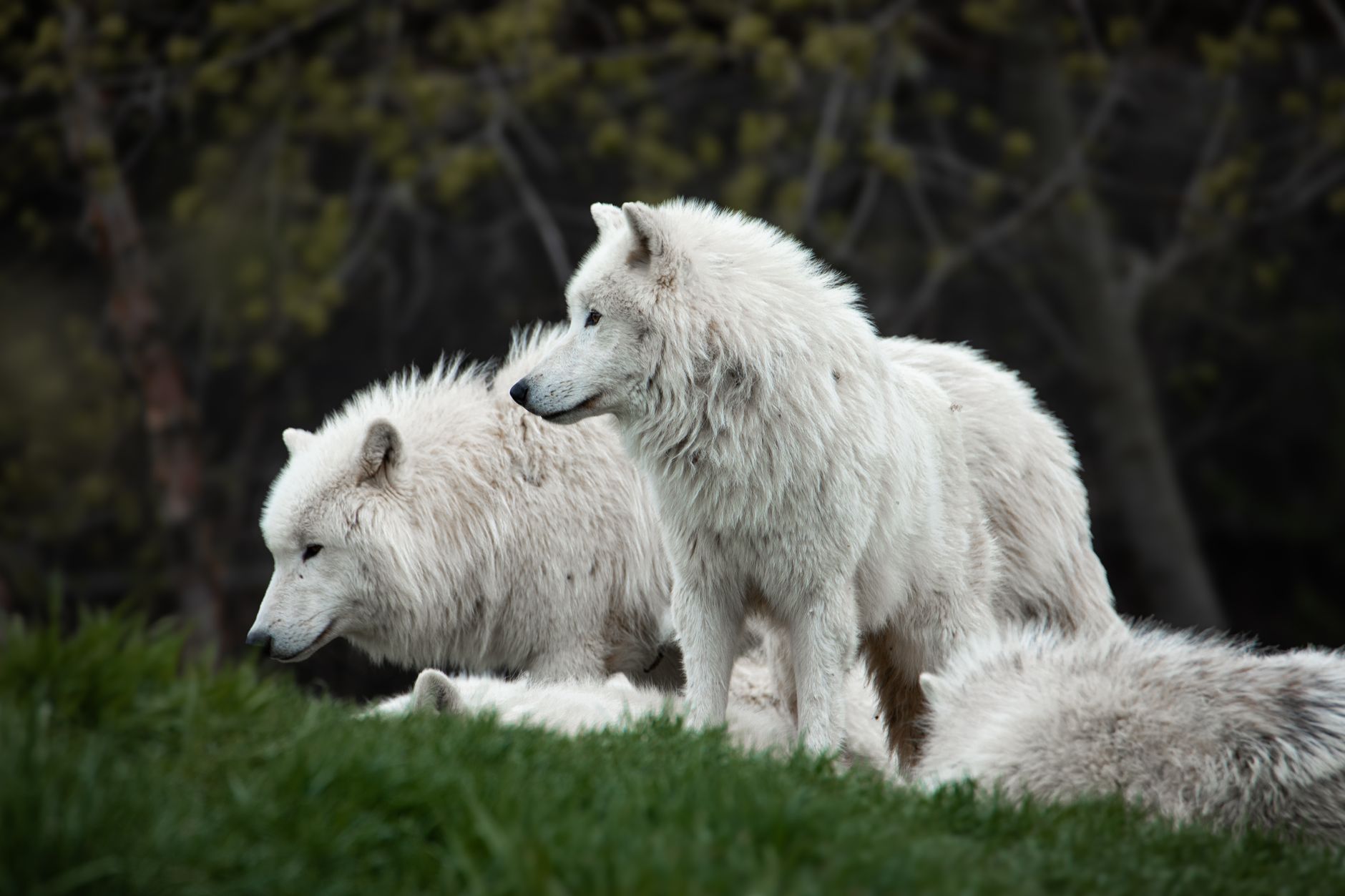
Wolves are highly social animals, but their social structure is designed for survival in the wild rather than cooperation with humans. A wolf may form strong bonds with its pack, but it does not have the same domesticated behaviors that make dogs suitable companions.
Can Dogs and Wolves Breed Together?
Because dogs and wolves are closely related, they can produce offspring known as wolf-dog hybrids. However, the ability to reproduce does not mean they have the same behavior or needs.
Wolf-dog hybrids can inherit traits from both animals, which may create challenges. Their behavior, exercise requirements, and social needs can be more complex than those of typical domestic dogs. They are not simply larger or more exotic versions of ordinary pets.
Physical Similarities Do Not Tell the Whole Story
Some dog breeds, especially those with wolf-like appearances, may look very similar to wolves. Pointed ears, thick coats, and similar body shapes can make comparisons easy.
However, appearance alone does not determine an animal’s behavior or level of domestication. A dog’s ability to live closely with humans comes from generations of selective breeding and adaptation, not just physical resemblance.
Why the Difference Matters
Understanding the difference between wolves and dogs is important because it affects how people care for and interact with them. Dogs are adapted for human households, while wolves have natural behaviors and survival needs that belong in wild environments.
Although dogs carry a part of their evolutionary history from wolves, they have become a distinct companion animal with their own characteristics. The connection between them is a story of evolution, adaptation, and thousands of years of interaction between humans and animals.